
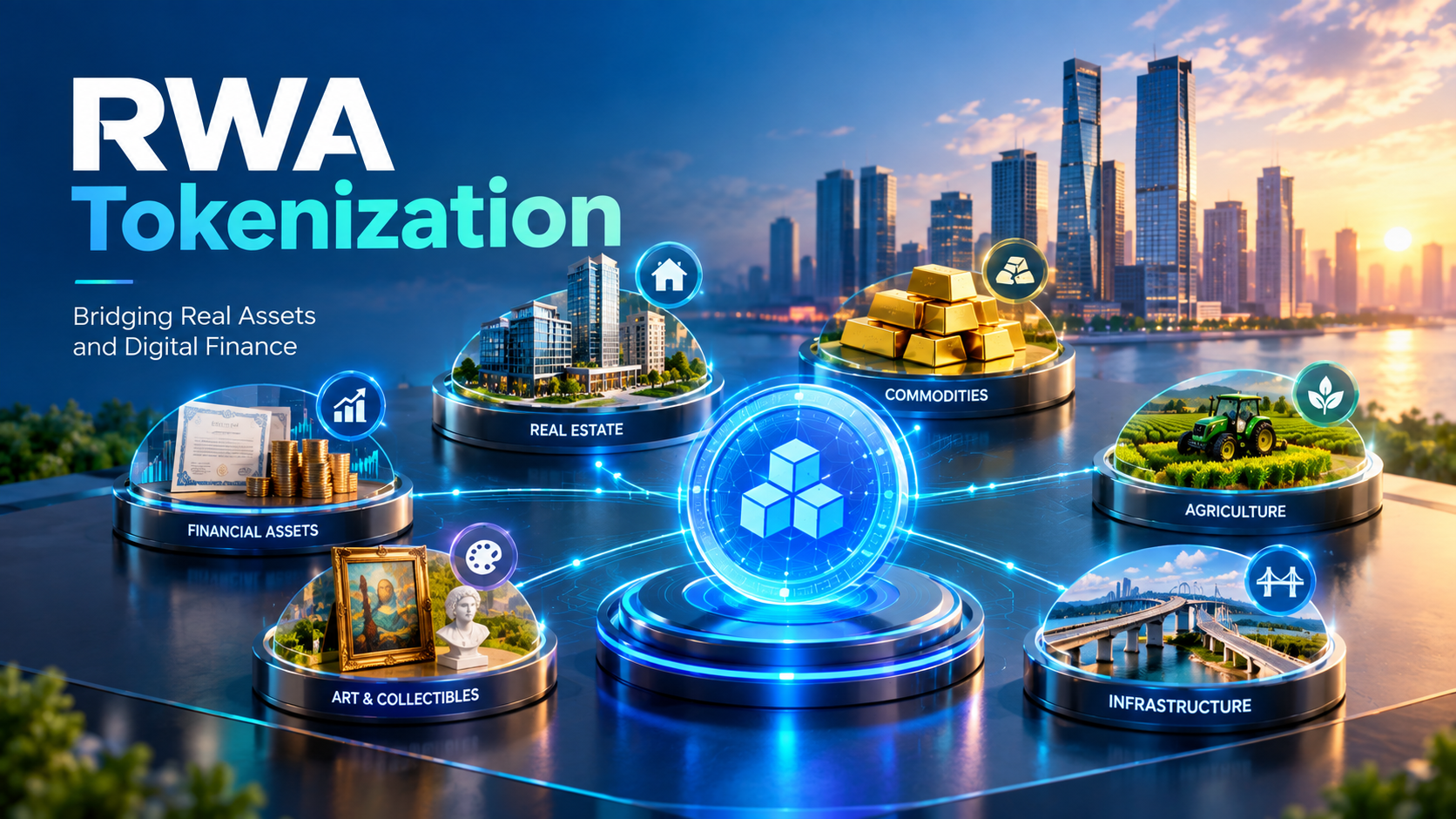

Intellectual property (IP) has become a valuable business asset, generating revenue through patents, trademarks, copyrights, software licenses, music royalties, film rights, and other intangible assets. However, many companies still rely on traditional licensing agreements and royalty distribution systems to manage these revenue streams. Tokenization offers an alternative by converting ownership interests, licensing rights, or claims to eligible IP-generated income into blockchain-based digital tokens. This approach can help businesses create new funding opportunities, improve revenue transparency, and provide structured participation for investors.
1. Identify Intellectual Property Assets Suitable for Tokenization
The first step is identifying intellectual property assets with measurable commercial value and clear ownership rights. Companies should evaluate which assets generate recurring or predictable licensing revenue and have sufficient legal documentation.
Potential IP assets include:
-
Patents: Technologies, inventions, and patented products that generate licensing fees.
-
Trademarks: Brand names, logos, and registered marks licensed to third parties.
-
Copyrights: Books, films, music, photographs, and creative works.
-
Software Licenses: Proprietary applications, SaaS products, and enterprise software.
-
Music Royalties: Revenue generated through streaming, broadcasting, and commercial usage.
-
Film and Media Rights: Distribution, broadcasting, and reproduction rights.
Selecting suitable assets helps companies establish a clear foundation for tokenization.
2. Establish IP Ownership and Licensing Rights
Before issuing digital tokens, businesses must establish legal ownership and determine which rights can be represented digitally. Tokenization does not automatically transfer intellectual property ownership or create enforceable licensing rights.
Companies should review:
-
Existing intellectual property registrations.
-
Ownership agreements and co-ownership arrangements.
-
Licensing contracts and royalty obligations.
-
Geographic and commercial usage restrictions.
-
Existing financial claims against the IP.
-
Rights that can legally be transferred or assigned.
Depending on the structure, tokens may represent fractional economic interests, contractual royalty entitlements, or participation in an IP-holding entity rather than direct ownership of the underlying intellectual property.
3. Create a Suitable Legal and Financial Structure
A legally supported framework connects the intellectual property asset with the digital tokens issued on a blockchain. Companies may use a special purpose vehicle (SPV), licensing entity, or contractual arrangement to define how token holders participate in eligible revenue streams.
For example, a company owning a patented manufacturing technology could establish an SPV to manage selected licensing revenue. Investors could receive tokens representing contractual participation in the revenue generated through approved licensing agreements.
The structure should clearly define:
-
Rights and obligations of token holders.
-
Revenue distribution arrangements.
-
Licensing and royalty collection responsibilities.
-
Transfer restrictions and investor eligibility.
-
Dispute resolution and exit mechanisms.
The appropriate structure depends on the jurisdiction, asset category, and applicable securities and intellectual property regulations.
4. Convert Licensing Revenue Rights Into Digital Tokens
Once the legal structure is established, companies can represent eligible IP-related economic rights through blockchain-based tokens. Each token can represent a defined share, percentage, or contractual claim associated with a particular revenue stream.
For instance, a software company generating annual licensing income could tokenize a portion of eligible future revenue under a legally enforceable agreement.
Tokenization can support:
-
Fractional participation in qualifying IP revenue.
-
Digital representation of contractual rights.
-
Transparent token ownership records.
-
Automated transfer restrictions.
-
Easier tracking of eligible revenue entitlements.
The token design should accurately reflect the underlying legal agreement rather than suggesting rights that investors do not actually possess.
5. Develop Smart Contracts for Royalty Distribution
Smart contracts can automate specific activities associated with tokenized intellectual property and licensing revenue. Once the revenue is collected and verified, predefined contract conditions can help calculate and distribute eligible payments.
Important smart contract functionalities include:
-
Royalty Distribution: Allocating revenue according to predefined token ownership or contractual entitlements.
-
Payment Tracking: Maintaining transparent records of distribution events.
-
Ownership Management: Recording token transfers and balances.
-
Compliance Controls: Restricting transfers based on investor eligibility and jurisdictional requirements.
-
Revenue Reporting: Maintaining transaction records for auditing and reconciliation.
External payment and licensing data may require verified integrations or oracles before smart contracts can process distributions accurately.
6. Build an IP Tokenization Platform
Companies planning to manage multiple intellectual property assets may develop a dedicated IP tokenization platform. Such a platform can bring asset onboarding, token issuance, investor management, licensing information, and revenue distribution into one digital environment.
Essential platform components include:
-
Asset Management Dashboard: Manage patents, trademarks, copyrights, and licensing agreements.
-
Token Issuance Module: Create and configure digital tokens representing approved economic rights.
-
Smart Contract Integration: Automate predefined royalty and revenue-sharing processes.
-
Investor Portal: Allow eligible investors to access token information and investment records.
-
Compliance Module: Support KYC, AML, accreditation checks, and transfer restrictions where applicable.
-
Reporting Dashboard: Track licensing income, token ownership, and distribution history.
A well-designed platform can help businesses manage tokenized IP portfolios while improving operational visibility.
7. Connect Licensing Agreements With Revenue Tracking Systems
IP tokenization requires accurate information about how much revenue an asset generates. Companies should integrate their platform with licensing management systems, royalty collection services, accounting software, and payment gateways.
For example, a music rights management company may receive royalty information from streaming platforms and licensing partners. Verified revenue data can then be used to calculate eligible token-holder distributions.
This integration helps businesses maintain consistent financial records and reduces manual reconciliation.
8. Establish Investor Access and Secondary Market Mechanisms
After token issuance, companies may provide eligible investors with access to a compliant marketplace or trading environment. Depending on the legal structure, token holders may be allowed to transfer or trade their interests under predefined conditions.
A secondary market mechanism can potentially improve liquidity for qualifying IP-related investments. However, tokenization does not guarantee liquidity, and transfers may be restricted by securities regulations, contractual obligations, or licensing arrangements.
Companies should establish investor eligibility requirements, transfer permissions, disclosure standards, and appropriate marketplace controls before enabling secondary transactions.
9. Address Regulatory and Intellectual Property Compliance
Regulatory compliance is essential when tokenizing intellectual property and licensing revenue. Depending on the rights represented, token offerings may be classified as securities or other regulated financial products.
Companies should evaluate:
-
Securities and investment regulations.
-
Intellectual property ownership and assignment laws.
-
Copyright and licensing requirements.
-
KYC and AML obligations.
-
Data protection and investor privacy.
-
Cross-border offering and transfer restrictions.
-
Tax treatment of royalty distributions.
Working with legal and compliance professionals helps ensure that the token structure accurately reflects enforceable rights.
10. Launch, Monitor, and Scale the Tokenization Ecosystem
After completing legal structuring, platform development, smart contract testing, and compliance reviews, companies can begin launching their tokenization initiatives.
A phased launch can help businesses evaluate the operational and commercial performance of the model.
Companies should monitor:
-
Token issuance and investor participation.
-
Licensing revenue performance.
-
Royalty distribution accuracy.
-
Smart contract security.
-
Investor reporting and transparency.
-
Asset valuation and portfolio performance.
Once the initial model is established, businesses can expand tokenization to additional patents, copyrights, trademarks, software products, and other eligible intellectual property assets.
Business Benefits of Intellectual Property Tokenization
Tokenizing intellectual property and licensing revenue can introduce new ways for companies to manage intangible assets and explore alternative funding structures.
1. Access to New Capital: Businesses may raise funding by offering eligible economic interests linked to IP assets without necessarily selling the underlying intellectual property.
2. Fractional Investment Opportunities: Tokenization can divide qualifying economic interests into smaller digital units, potentially broadening access for eligible investors.
3. Revenue Transparency: Blockchain records can improve visibility into token ownership, payment transactions, and distribution activities.
4. Automated Royalty Management: Smart contracts can reduce manual work involved in calculating and distributing predefined royalty payments.
5. Improved Asset Utilization: Companies can explore new financial opportunities from intellectual property that might otherwise remain underutilized.
6. Portfolio Expansion: Businesses can develop a unified framework for managing multiple IP categories and associated revenue streams.
Challenges Companies Should Consider
Despite its potential, intellectual property tokenization involves several challenges that businesses must address before implementation.
-
Ownership Complexity: IP assets may involve multiple creators, owners, and contractual stakeholders.
-
Valuation Difficulties: Estimating the future earning potential of patents, copyrights, and licensing rights can be challenging.
-
Revenue Uncertainty: Licensing income may fluctuate depending on market demand, usage, and contractual renewals.
-
Regulatory Requirements: Token structures may trigger different legal obligations across jurisdictions.
-
Technology Security: Smart contracts and platform infrastructure require rigorous security testing.
-
Investor Protection: Clear disclosures, enforceable rights, and transparent revenue calculations are essential.
Addressing these challenges during the planning stage can help businesses establish more reliable tokenization frameworks.
Conclusion
Intellectual property tokenization creates opportunities for companies to explore new funding models, manage licensing revenue, and represent eligible economic rights through blockchain-based digital assets. From patents and trademarks to music royalties, copyrights, and software licensing income, businesses can evaluate different IP categories for structured tokenization. However, successful implementation requires more than issuing digital tokens. It involves legal ownership verification, appropriate financial structuring, secure smart contracts, accurate revenue tracking, and regulatory compliance.
Companies exploring these opportunities can work with experienced blockchain development partners such as Inoru, a tokenization development company, to plan and build customized platforms for managing intellectual property assets and associated revenue streams. With the right combination of legal frameworks and technology infrastructure, businesses can develop scalable IP tokenization ecosystems.


