

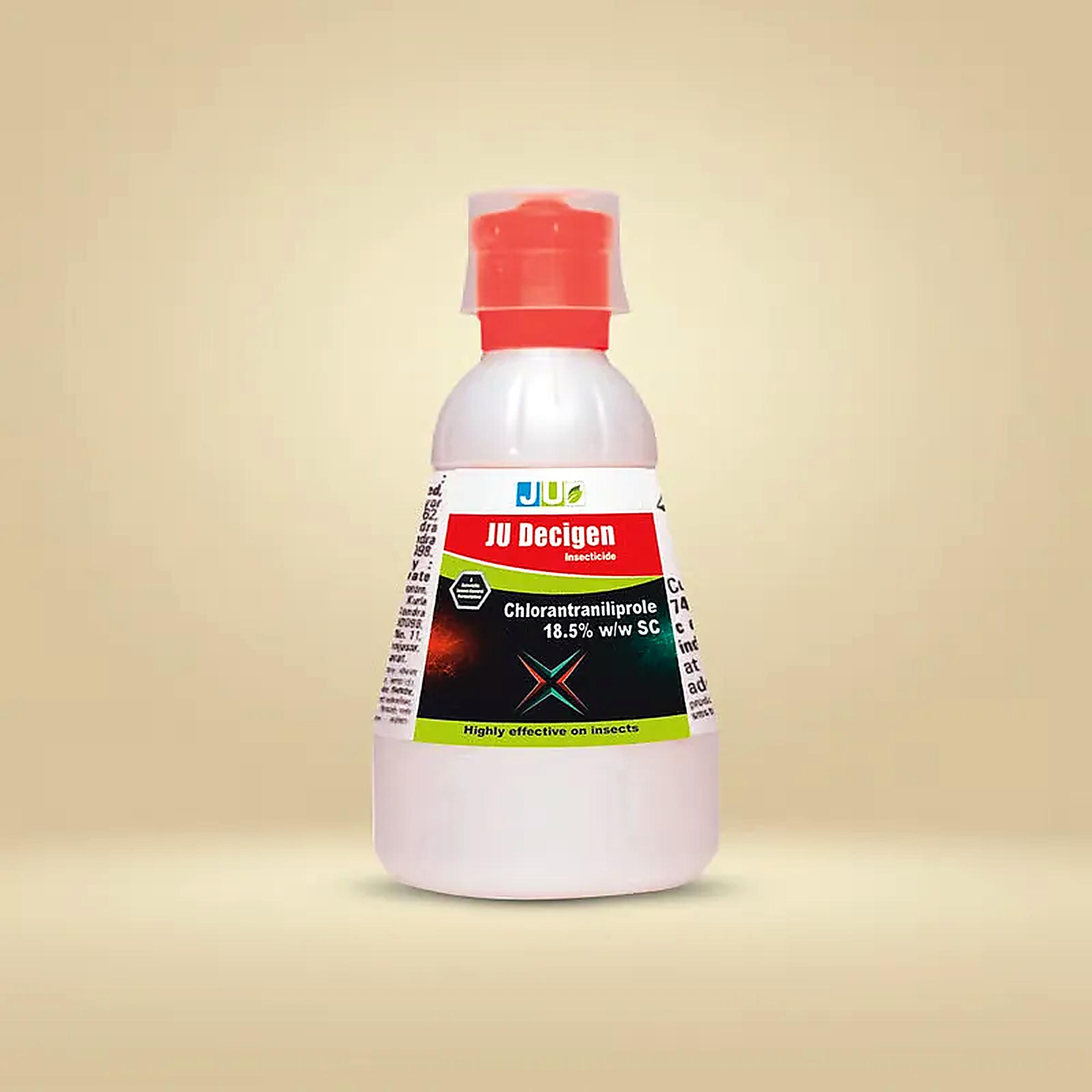
Agriculture requires careful crop management to maintain healthy plants and achieve better productivity. Insects can affect crops at different growth stages, damaging leaves, stems, flowers, roots, and developing fruits. Choosing suitable crop protection products and applying them responsibly are important parts of modern farming.
Farmers searching for insecticide for vegetable farming, best insecticide for wheat crop, or pesticide for fruit farming need to understand that every crop and pest has different management requirements. A product suitable for one crop may not be approved for another. Proper pest identification, field monitoring, and label-based product selection should always come first.
Gramiti provides an online platform where farmers can explore agricultural inputs, including insecticides, herbicides, fungicides, crop protection products, and crop nutrition solutions. It aims to make agricultural product discovery convenient for farmers across India.
1. Choosing the Right Insecticide for Vegetable Farming
Vegetable crops such as tomato, chilli, cabbage, brinjal, okra, and cauliflower may face different insect-related challenges. Aphids, whiteflies, thrips, caterpillars, and fruit borers are among the pests that farmers may encounter.
Selecting an insecticide for vegetable farming starts with identifying the insect responsible for the damage. Farmers should inspect leaves, shoots, flowers, and developing fruits regularly. This helps determine whether pest management is necessary.
Before purchasing an insecticide, check:
-
Whether the product is approved for the vegetable crop.
-
Whether the target insect is listed on the label.
-
The recommended dosage and application timing.
-
Protective equipment and safety precautions.
-
The pre-harvest interval before picking vegetables.
Gramiti helps farmers explore agricultural products online, making it easier to discover crop-care categories for different farming requirements.
2. How to Find the Best Insecticide for Wheat Crop
Wheat is an important cereal crop cultivated across many agricultural regions. Insect-related problems can affect plant growth and crop development, depending on the location, season, and field conditions.
Farmers searching for the best insecticide for wheat crop should avoid selecting a product based only on popularity or price. The correct choice depends on the identified pest, crop stage, and approved product recommendations.
Regular field inspection can help farmers identify unusual plant damage and insect activity. If chemical control is required, choose an insecticide specifically registered for wheat and the target pest.
A responsible wheat crop protection plan should include field monitoring, correct pest identification, label-based application, and resistance-management practices. Gramiti provides an online destination for exploring agricultural inputs that support different crop management needs.
3. Understanding Wheat Insecticide Selection
Searching for a suitable wheat insecticide is only the beginning of effective crop protection. Farmers should first understand the type of insect present and assess the extent of crop damage.
Different insects require different management approaches. Some may feed on leaves, while others can affect stems or other plant parts. Symptoms should be examined carefully because nutrient deficiencies and plant diseases can sometimes look similar to insect damage.
Before using any product, review its approved crop use, target pest, dosage, application interval, and safety instructions. Avoid unnecessary spraying and consider integrated pest management wherever practical.
Through Gramiti, farmers can explore insecticide and other crop-care categories online while reviewing available product information.
4. Exploring Organic Insecticide for Crops
Interest in sustainable agriculture has increased awareness of alternative crop protection approaches. An organic insecticide for crops may be considered as part of an integrated pest management programme when it is appropriate and approved for the intended crop and pest.
Organic and biological products can contain different active ingredients and have different application requirements. Farmers should not assume that every natural or organic product is completely harmless.
Consider these points before use:
-
Check the product ingredients and approved applications.
-
Confirm that it is suitable for the target crop and pest.
-
Follow the recommended dosage and safety directions.
-
Protect beneficial insects and pollinators.
-
Combine suitable products with cultural and mechanical pest management.
Gramiti offers agricultural product categories that help farmers explore crop protection and other farming inputs online.
5. Natural Insecticide for Vegetables: What Farmers Should Know
Farmers interested in a natural insecticide for vegetables should understand how the product works and whether it is suitable for their particular crop.
Natural pest management may include biological products, botanical-based products, field sanitation, crop rotation, physical barriers, and regular monitoring. These methods can be considered according to the crop and pest situation.
However, natural products can still affect beneficial organisms or cause crop damage if used incorrectly. Always read the label and follow the recommended application instructions. Also check the pre-harvest interval before harvesting vegetables.
An integrated approach that combines field observation, preventive practices, and suitable pest management can help vegetable growers make more informed decisions.
6. Choosing a Suitable Pesticide for Fruit Farming
Fruit crops require careful protection throughout flowering, fruit development, and harvesting. Different fruits can experience different pest problems, so farmers should select products according to their crop and the specific insect involved.
A pesticide for fruit farming should be approved for the intended fruit crop and target pest. Farmers should consider the following before application:
-
Correct identification of the pest.
-
Approved crop and pest combination.
-
Label dosage and application timing.
-
Pollinator safety and environmental precautions.
-
Pre-harvest interval and residue requirements.
Regular orchard inspection, pruning, sanitation, and pest monitoring can also support responsible fruit crop management.
Gramiti provides an online platform where fruit growers can explore agricultural inputs across different crop-care categories.
7. Understanding Broad Spectrum Insecticide in India
Farmers searching for a broad spectrum insecticide India option may be looking for products that control multiple types of insect pests. However, broad-spectrum activity does not mean a product is suitable for every crop or insect.
Some broad-spectrum insecticides may also affect beneficial insects, including natural predators and pollinators. Therefore, farmers should identify the target pest and consider whether a more targeted management approach is appropriate.
Before selecting a broad-spectrum product, review its registered crops, target pests, application instructions, safety requirements, and resistance-management guidance. Avoid repeated or unnecessary applications.
Responsible insecticide use helps farmers protect crops while considering beneficial organisms and the surrounding environment.
8. Why Explore Agricultural Products Online with Gramiti?
Finding suitable agricultural inputs is an important part of farm planning. Gramiti brings different agricultural product categories together through one online destination.
Farmers can explore:
-
Insecticides for crop pest management.
-
Herbicides for weed management.
-
Fungicides for crop disease management.
-
Crop protection products for farming requirements.
-
Crop nutrition products to support crop nutrition programmes.
Gramiti aims to make agricultural product discovery convenient for farmers looking for farming inputs online. Before ordering, farmers should review the product description, formulation, approved crop uses, packaging, and application instructions.
9. Responsible Pesticide Use for Better Crop Management
Choosing a pesticide should always involve careful consideration. Using the wrong product or applying it incorrectly can lead to poor results, crop injury, unnecessary costs, and environmental risks.
Farmers should follow these basic practices:
-
Identify the pest correctly before selecting a product.
-
Check whether the product is approved for the crop.
-
Follow the label dosage and application instructions.
-
Wear recommended protective equipment.
-
Observe the pre-harvest interval.
-
Avoid spraying during unsuitable weather conditions.
-
Follow resistance-management recommendations.
-
Protect pollinators, beneficial insects, and nearby water sources.
Integrated pest management combines monitoring, preventive practices, biological controls, and carefully selected chemical treatments when needed.
Frequently Asked Questions
Q1. How do I select an insecticide for vegetable farming?
Identify the pest first, then choose a product approved for the specific vegetable crop and target insect. Follow the label dosage and pre-harvest interval.
Q2. What is the best insecticide for wheat crop?
There is no single best insecticide for every wheat field. The appropriate option depends on the pest, crop stage, local conditions, and registered product recommendations.
Q3. Are organic insecticides safe for all crops?
Not automatically. Organic products also have specific application instructions and restrictions. Always check the product label and crop suitability.
Q4. Can natural insecticides be used for vegetables?
Some natural or botanical products may be suitable for particular vegetable crops and pests. Check approved uses and follow the manufacturer's instructions.
Q5. How can I find agricultural products online?
Farmers can explore agricultural product categories through Gramiti at https://gramiti.com/ and review product information before purchasing.
Q6. What should I check before buying a pesticide for fruit farming?
Check crop approval, target pest, dosage, application timing, pollinator precautions, and the pre-harvest interval.
About Gramiti – A Trusted Place for Farmers
Gramiti is an online agricultural platform offering farming inputs across categories such as insecticides, herbicides, fungicides, crop protection, and crop nutrition. It aims to help farmers explore agricultural products conveniently and make informed choices for their cultivation requirements.
Conclusion
Effective crop protection begins with understanding the crop, identifying the pest, and selecting suitable agricultural inputs. Whether farmers are researching insecticide for vegetable farming, the best insecticide for wheat crop, an organic insecticide for crops, or a pesticide for fruit farming, responsible product selection is essential.
Gramiti provides a convenient online destination for exploring agricultural products and crop-care categories. Visit Gramiti to discover farming inputs and make informed decisions for healthier crop management.


