

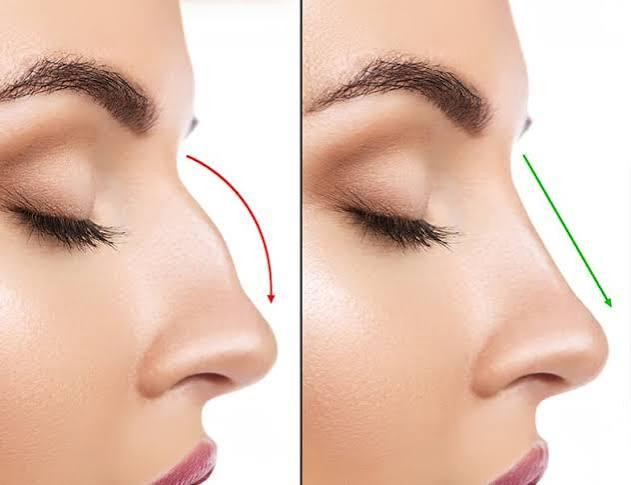

The shape of the nose can influence the overall appearance of the face. A prominent bridge, broad nasal tip, uneven contours, or noticeable asymmetry may make some individuals feel that their facial features lack balance. Nose reshaping offers a way to address these concerns through carefully planned structural changes.
Rhinoplasty Surgery in Dubai is considered by individuals who want to modify specific nasal features while maintaining harmony with their natural appearance. The procedure can involve different techniques depending on the existing nasal structure and the changes being considered.
What Is Nose Reshaping?
Nose reshaping, commonly known as rhinoplasty, is a surgical procedure that changes the appearance or structure of the nose. It may involve adjusting the nasal bones, cartilage, or soft tissues to achieve the intended shape.
Some individuals focus on cosmetic improvements, while others may have structural concerns related to breathing or previous nasal injuries. The treatment approach depends on the underlying issue and the individual's overall health.
Common Nose Shapes and Concerns
People have different nasal structures, and their aesthetic preferences can vary considerably. Some common concerns include a noticeable dorsal hump, a wide nasal base, a rounded tip, or a nose that appears uneven from certain angles.
A drooping nasal tip may also affect the side profile, while an irregular bridge can create an uneven contour. Understanding these concerns helps establish which modifications may be appropriate.
How Rhinoplasty Surgery in Dubai Reshapes the Nose
The procedure can address several nasal features according to individual requirements.
Nasal Bridge Refinement
A prominent bridge or dorsal hump can create a noticeable change in the side profile. Surgical reshaping may involve adjusting the underlying bone and cartilage to create a smoother contour.
Nose Tip Refinement
The nasal tip contributes to the overall definition of the nose. Depending on its structure, cartilage adjustments may help improve tip projection, shape, or definition.
Adjusting Nasal Width
A broad nasal appearance may be related to the bridge, nostrils, or surrounding soft tissues. Selected surgical techniques can address these areas when appropriate.
Improving Nasal Alignment
Some individuals have a nose that appears crooked because of structural differences or previous injuries. Rhinoplasty may help improve alignment while considering the internal framework and breathing function.
Understanding Open and Closed Nose Reshaping
Two commonly used approaches are open and closed rhinoplasty.
Open rhinoplasty involves a small incision across the columella, allowing greater visibility of the nasal framework. It can be useful when detailed structural changes are required.
Closed rhinoplasty uses incisions inside the nostrils. This technique avoids an external columellar incision and may be appropriate for selected modifications.
The choice depends on the complexity of the planned changes, existing nasal anatomy, and the need for structural adjustments.
Who May Consider Nose Reshaping?
Adults who are unhappy with specific nasal features may explore rhinoplasty after considering their expectations and overall health. Individuals with concerns following an injury or previous nasal procedure may also seek an assessment.
Good candidates should have realistic expectations and understand that the procedure cannot create identical results for everyone. Skin characteristics, cartilage strength, facial proportions, and healing patterns all influence the possible outcome.
Preparing for the Procedure
Preparation involves reviewing medical history, existing health conditions, medications, and previous treatments. An assessment of nasal structure and breathing function may help determine the most suitable approach.
Individuals should communicate their aesthetic preferences clearly and understand the potential benefits and limitations of surgery. They should also follow instructions concerning medication use, smoking, and preparation for anaesthesia.
Recovery After Nose Reshaping
The initial recovery period may involve swelling, bruising, tenderness, and temporary nasal congestion. A splint is commonly used to protect the nose during early healing.
Over the following weeks, bruising generally fades and visible swelling decreases. However, the nasal tip may remain swollen for several months as the tissues gradually settle.
Avoiding accidental pressure, following activity restrictions, and attending follow-up appointments are important for supporting recovery.
What Makes a Natural-Looking Nose Shape?
A natural-looking result depends on proportion, structural stability, and the relationship between the nose and other facial features. A nose should complement the individual's forehead, cheeks, lips, and chin rather than appear unrelated to the overall facial structure.
Overly aggressive changes may affect nasal support or create an unnatural appearance. A balanced approach focuses on suitable refinements while preserving important anatomical features.
Conclusion
Nose reshaping can address concerns involving the nasal bridge, tip, width, and overall alignment. Rhinoplasty Surgery in Dubai offers different surgical approaches depending on individual anatomy, aesthetic preferences, and functional requirements. Understanding the procedure, recovery process, and realistic outcomes can help individuals make informed decisions. For those exploring personalised nasal refinement and facial balance, TAJMEELS CLINIC can be considered as part of their journey towards understanding suitable nose reshaping options.
For More Details, Contact Us Through:
WhatsApp: +971 56 203 8751
Phone: +971 4 373 9000
Social Media:


