

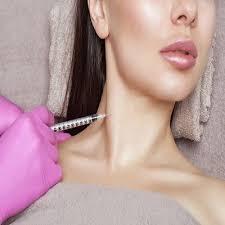
How Is Botox Treatment Personalised for Different Facial Structures at Tajmeels Clinic?
Botox in Dubai treatment has become a popular non-surgical aesthetic option for people who want to soften facial lines and achieve a refreshed appearance. However, every face has different proportions, muscle movements, skin characteristics, and natural expressions. This means that the same Botox approach may not produce identical results for everyone. Personalised treatment planning is important to ensure that aesthetic goals are considered while maintaining natural facial movement.
At Tajmeels Clinic in Dubai, understanding individual facial structures is an important part of planning Botox treatment. Rather than following a standard injection pattern, an appropriate treatment approach considers facial anatomy, muscle activity, skin condition, and the areas that concern each individual.
Why Does Facial Structure Matter in Botox Treatment?
Facial structure plays an important role in determining how Botox treatment should be planned. Differences in forehead proportions, eyebrow positioning, cheek structure, and jawline shape can influence how facial muscles move and how expression lines appear.
For example, someone with a naturally low eyebrow position may require a different assessment from someone with higher-set eyebrows. Similarly, individuals with stronger forehead muscles may have different treatment considerations compared with those who have less muscle activity.
Understanding these differences helps practitioners develop a treatment plan that respects natural facial proportions instead of applying the same technique to every patient.
Assessing Facial Muscle Activity Before Treatment
Botox works by temporarily reducing signals between nerves and targeted muscles, limiting muscle contractions in the treated areas. This can soften dynamic wrinkles that develop through repeated facial expressions.
Before recommending treatment, a qualified medical professional should assess how different facial muscles function.
Important considerations include:
-
Forehead movement: Evaluating horizontal lines that appear when raising the eyebrows.
-
Glabellar activity: Assessing vertical lines between the eyebrows caused by frowning.
-
Eye-area movement: Observing crow's feet that develop during smiling or squinting.
-
Brow positioning: Understanding how muscle activity influences eyebrow height and shape.
-
Lower facial movement: Assessing muscle activity around the jawline and mouth when relevant.
This assessment helps determine which areas may benefit from treatment and whether certain muscles should be approached more cautiously.
How Different Facial Shapes Influence Botox Planning
Facial proportions can influence aesthetic treatment decisions. Although Botox does not change the underlying bone structure or reshape the face, its effects on selected muscles can influence facial appearance.
1. Round Facial Structures
People with round facial structures may have fuller cheeks and softer jawline contours. Their Botox treatment plan should focus on their individual expression lines rather than assuming that facial fullness requires injections.
If masseter Botox is being considered for jaw-muscle prominence, the practitioner must assess muscle size, function, and suitability. Treatment should not be recommended simply because someone has a round face.
2. Oval Facial Structures
Oval faces generally have balanced facial proportions, but individuals can still experience forehead lines, frown lines, and crow's feet.
Treatment planning may focus on softening specific expression lines while maintaining eyebrow positioning and natural facial movement. The goal is to avoid excessive muscle relaxation that could affect facial expression.
3. Square Facial Structures
Square facial structures may feature a more defined jawline and stronger jaw muscles. Some individuals may explore masseter Botox for muscle-related jaw width.
However, the practitioner must distinguish between muscle prominence and width caused by bone structure or fat distribution. Botox only affects targeted muscle activity and cannot reduce bone width.
4. Heart-Shaped Facial Structures
Heart-shaped faces often have a wider upper facial area and a narrower lower face. Treatment planning should consider eyebrow positioning, forehead proportions, and existing facial balance.
A careful approach can help soften expression lines without creating an unnatural appearance or disrupting the individual's natural facial characteristics.
The Importance of Skin Condition and Age
Facial structure is only one part of personalised Botox planning. Skin condition and age-related changes also influence treatment decisions.
Younger individuals may seek preventative guidance because they are noticing early expression lines. Others may have deeper wrinkles that remain visible even when facial muscles are relaxed.
It is important to understand the difference between dynamic and static wrinkles:
-
Dynamic wrinkles: These appear during facial movements, such as smiling or frowning.
-
Static wrinkles: These remain visible even when the face is at rest.
Botox is generally more effective for dynamic wrinkles. Deeper static lines may require a different or combined treatment approach, depending on individual suitability.
Skin elasticity, previous aesthetic procedures, and facial volume changes should also be considered before treatment recommendations are made.
Why Natural Facial Expressions Should Be Preserved
One of the main considerations in personalised Botox treatment is maintaining natural facial expressions. Facial movements communicate emotions, personality, and everyday reactions.
Overtreatment can reduce muscle movement excessively and may result in an expression that looks less natural. This is why treatment planning should consider the relationship between different facial muscles.
A qualified practitioner should evaluate how the forehead, eyebrows, and surrounding muscles work together. The objective is to soften unwanted lines while preserving an appropriate level of movement.
Patients should also communicate their expectations clearly. Some may prefer subtle changes, while others may have specific concerns about particular expression lines.
What Happens During a Personalised Botox Consultation?
A consultation provides an opportunity to discuss facial concerns, medical history, previous cosmetic treatments, and expected outcomes.
The assessment may include:
-
Reviewing facial proportions and natural symmetry.
-
Observing facial expressions and muscle contractions.
-
Identifying the areas responsible for unwanted wrinkles.
-
Discussing previous Botox treatments and any side effects.
-
Reviewing medical history, medications, and relevant contraindications.
-
Explaining realistic outcomes, possible risks, and aftercare requirements.
Botox is not suitable for everyone. Certain medical conditions, pregnancy, breastfeeding, and specific medications may affect treatment eligibility. A medical professional should review these factors before proceeding.
What Results and Recovery Can Patients Expect?
Botox results do not appear immediately. Initial changes may become noticeable within a few days, while the full effect generally develops over approximately 10–14 days.
Results commonly last around three to four months, although individual experiences vary depending on the treatment area, muscle activity, dosage, and personal response.
Some patients may experience temporary redness, swelling, bruising, or tenderness around injection sites. Less common but important risks include eyelid or eyebrow drooping, asymmetry, and unwanted muscle weakness.
Following professional aftercare instructions and attending recommended follow-up appointments can help monitor treatment outcomes.
Personalised Botox Treatment at Tajmeels Clinic in Dubai
At tajmeels clinic dubai, Botox treatment planning focuses on understanding individual facial characteristics and aesthetic concerns. Each person's facial proportions, muscle activity, skin condition, and desired results are important considerations during the consultation process.
The clinic-based approach involves discussing suitable treatment areas, reviewing medical history, and evaluating whether Botox is appropriate for the patient's goals. Rather than assuming that every individual needs the same injection pattern, personalised assessment helps guide treatment decisions. Patients can discuss their expectations, understand possible limitations, and receive professional guidance about maintaining natural-looking facial expressions.
Conclusion
Personalising Botox treatment for different facial structures involves much more than identifying wrinkles. Facial proportions, muscle strength, skin condition, age-related changes, and individual expectations all contribute to treatment planning.
A thorough medical assessment helps determine which areas may benefit from Botox while reducing the likelihood of an unnatural appearance. Choosing an appropriately qualified practitioner and following an individualised treatment plan are important steps towards achieving balanced, natural-looking results.
More Information
Tajmeels Clinic Dubai
WhatsApp: +971 56 203 8751
Phone: tel:+971 43739000
Social Media:


