

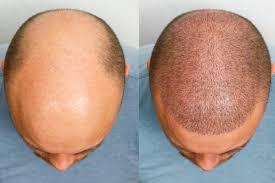

Hair loss can develop gradually or become noticeable within a short period. For many people, changes in hair density, a receding hairline, or thinning around the crown can affect confidence and appearance. Although hair loss is common, deciding when to consider hair restoration requires careful evaluation. Scheduling a Hair Transplant in Dubai consultation at the right time can help individuals understand the reasons behind their hair loss, explore suitable treatment options, and determine whether they are appropriate candidates for the procedure.
A consultation does not necessarily mean that surgery should happen immediately. Instead, it provides an opportunity to assess scalp health, understand hair loss patterns, and develop a personalised treatment plan based on individual needs.
1. When Hair Loss Becomes Noticeably Progressive
One important reason to schedule a hair transplant consultation is when hair loss becomes increasingly noticeable. Some individuals experience gradual thinning around the temples, while others notice reduced density across the crown or upper scalp.
If the hairline continues to move backwards or certain areas become visibly thinner, a professional assessment can help identify the underlying pattern. Hair loss may be associated with hereditary factors, hormonal changes, medical conditions, nutritional deficiencies, or scalp disorders.
A consultation helps distinguish between temporary shedding and progressive hair loss. This distinction is important because not every type of hair loss requires transplantation. In some situations, addressing the underlying cause or considering medical hair-loss treatments may be more appropriate.
2. When Hair Thinning Starts Affecting Your Appearance
Hair thinning can change the overall appearance of the scalp, particularly when hair becomes less dense under bright lighting or when styling becomes difficult. Some individuals notice that their scalp is increasingly visible through their hair, even when the overall hair length remains unchanged.
This may be an appropriate time to seek professional advice. A hair transplant consultation can help assess:
-
The degree of visible hair thinning.
-
Changes in hairline shape and density.
-
Areas where hair coverage has decreased.
-
Differences in thickness between scalp regions.
-
The availability of healthy donor hair.
Understanding these factors helps establish realistic expectations and determine whether surgical hair restoration could address the individual's concerns.
3. When Hair Loss Patterns Become More Predictable
Hair transplantation generally requires careful consideration of future hair loss. If someone experiences active or rapidly changing hair loss, immediate surgery may not always be the best approach.
For example, transplanting hair into a receding hairline without considering possible future thinning behind it could create an uneven appearance over time. This is why specialists evaluate the current hair loss pattern, family history, age, and potential progression.
A consultation can help determine whether hair loss has become sufficiently predictable for treatment planning. However, there is no universal age or fixed waiting period that applies to everyone. Individual assessment remains essential.
4. When You Have Concerns About Donor Hair Availability
Donor hair is usually collected from areas of the scalp where hair follicles are more resistant to common patterns of hereditary hair loss. The quality and quantity of available donor hair can influence the potential outcome of transplantation.
People experiencing thinning across multiple scalp regions may benefit from an early assessment to understand their donor hair condition.
During an evaluation, a specialist may examine:
-
Donor area density.
-
Hair thickness and texture.
-
Scalp condition.
-
Follicular characteristics.
-
The relationship between donor availability and restoration goals.
Early consultation can provide useful information about whether sufficient donor hair is available and how it might be distributed.
5. When You Are Considering Different Hair Transplant Techniques
Another suitable time to schedule a consultation is when you are researching hair transplant techniques. Two commonly discussed approaches are Follicular Unit Extraction (FUE) and Follicular Unit Transplantation (FUT).
FUE involves extracting individual follicular units from the donor area, while FUT involves removing a strip of scalp tissue from which follicular units are prepared.
Both techniques have different considerations regarding extraction, scarring, recovery, and suitability. Neither method is automatically better for every individual.
A consultation allows patients to discuss their hair characteristics, restoration goals, donor area condition, and lifestyle before deciding which approach may be appropriate.
6. When You Have Realistic Expectations About Recovery and Results
Hair transplantation involves a recovery period, and visible results develop gradually rather than immediately. Newly transplanted hair commonly sheds during the initial weeks before new growth begins.
Patients should understand that:
-
Initial shedding can be part of the normal recovery process.
-
New hair growth generally develops over several months.
-
Hair density improves gradually.
-
Final results may take 12 months or longer.
-
Individual outcomes depend on several medical and biological factors.
Scheduling a consultation before making a decision gives patients time to understand these stages, plan their recovery, and discuss possible limitations.
7. When You Can Commit to Proper Preparation and Aftercare
The timing of a hair transplant consultation should also reflect personal circumstances. Patients may need to consider work schedules, travel arrangements, existing medical conditions, and recovery requirements.
Before surgery, a specialist may review medications, smoking habits, previous treatments, allergies, and medical history. Certain medications or health conditions may require additional evaluation.
After the procedure, patients must follow specific instructions regarding scalp washing, physical activity, sleeping positions, and follow-up appointments.
Choosing a suitable time allows individuals to prepare properly rather than rushing into treatment.
8. Why Choose Tajmeels Clinic for a Hair Transplant Consultation in Dubai?
At tajmeels clinic dubai, hair transplant planning begins with understanding individual hair restoration concerns and evaluating whether the procedure is appropriate. The consultation process may include reviewing hair loss patterns, examining scalp health, assessing donor hair availability, and discussing suitable techniques.
Patients can also discuss their expectations, potential recovery stages, and factors that may influence long-term results. Personalised planning helps ensure that treatment recommendations consider individual characteristics rather than following a standard approach for everyone.
For individuals considering a hair transplant in Dubai, scheduling a consultation at Tajmeels Clinic can be a useful first step towards understanding their options and making an informed decision about hair restoration.
Frequently Asked Questions
1. Is it better to consult a specialist before significant hair loss occurs?
Yes. Early assessment can help identify the cause of hair loss, evaluate donor hair availability, and discuss suitable management options before thinning becomes more extensive.
2. Should I wait until my hair loss stops before scheduling a consultation?
No. You can schedule an assessment while experiencing active hair loss. However, the specialist may recommend monitoring or medical management before considering surgery.
3. Can younger adults schedule a hair transplant consultation?
Yes. Younger adults can seek professional advice, but their age, hair loss progression, donor availability, and long-term restoration needs must be evaluated carefully.
4. How long before a planned hair transplant should I book a consultation?
There is no fixed timeline. Scheduling several weeks or months before your preferred procedure date can provide time for assessment, preparation, and treatment planning.
5. Does everyone who attends a hair transplant consultation qualify for surgery?
No. Suitability depends on factors such as donor hair quality, scalp health, the cause of hair loss, medical history, and realistic expectations.
Conclusion
The right time to schedule a hair transplant consultation is when you begin noticing progressive thinning, changes in your hairline, reduced scalp coverage, or concerns about future hair loss. An early professional assessment can clarify the cause, evaluate donor hair availability, and help determine whether transplantation is appropriate. Taking time to understand your options before choosing surgery supports more informed decisions and realistic expectations about hair restoration.
More Information
Tajmeels Clinic Dubai
WhatsApp: +971 56 203 8751
Phone: tel:+971 43739000
Social Media:


