

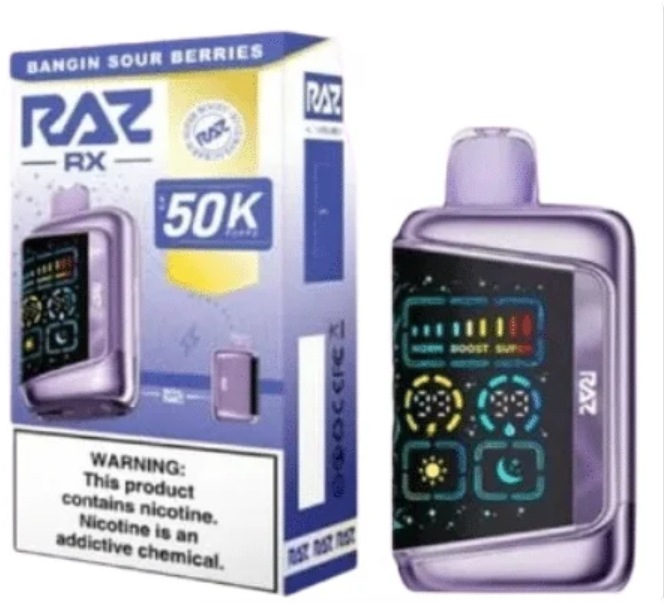

Disposable vape devices contain several electronic and heating components that work together. Two features that often appear in product descriptions are mesh coils and digital displays. Mesh coils relate to the heating system, while screens provide information about the device's operating status. Understanding these technologies helps readers interpret product specifications and distinguish technical features from marketing claims.
When researching products such as the RAZ RYL Vue 70K Kit, readers may encounter terms such as mesh coil technology, Mega HD screens, battery indicators, and puff estimates. Each feature has a different purpose. A screen does not determine the quality of the heating system, and a mesh coil does not automatically make a device safer or more reliable. Looking at these components separately provides a clearer understanding of how modern electronic devices are designed.
1. What Is Mesh Coil Technology?
A mesh coil is a heating component made using a metal mesh structure rather than a traditional wound-wire design. The mesh provides a surface that heats the surrounding material when electrical power passes through it.
In vaping devices, this heating component is designed to heat e-liquid and produce an aerosol. Its construction and electrical characteristics can influence how heat is distributed.
Some general characteristics of mesh heating elements include:
-
A mesh-shaped metal heating surface.
-
A structure designed to distribute heat across an area.
-
Electrical resistance determined by the material and design.
-
Integration with other internal heating components.
-
Dependence on the device's power and control system.
However, mesh construction alone does not establish how well a device performs. Material quality, manufacturing standards, electrical design, and operating conditions also matter.
It is also important to understand that heating e-liquid can produce potentially harmful substances. Mesh technology does not remove the health risks associated with vaping.
2. How Does a Mesh Coil Differ From a Traditional Wire Coil?
Traditional wire coils and mesh heating elements use different physical structures.
A traditional coil generally consists of metal wire formed into a spiral. A mesh heating element uses a patterned metal surface.
The main difference is their construction.
Both designs rely on electrical energy to generate heat.
The actual characteristics of either system depend on its material, resistance, manufacturing quality, and integration with the rest of the device.
It would be inaccurate to assume that every mesh-based device produces better results than every traditional coil device. Product specifications and independent testing are needed to support such comparisons.
3. What Is a Mega HD Screen in a Disposable Vape?
Digital screens are another feature found in some modern electronic devices. In disposable vape product descriptions, terms such as HD screen or Mega HD display generally refer to a visual interface used to show device information.
Depending on the model, a screen may display information such as:
-
Battery status.
-
Estimated puff information.
-
Operating indicators.
-
Device mode information, where supported.
-
Charging status, where applicable.
The main purpose of a display is to communicate information visually.
A larger screen may provide more room for text, symbols, and indicators. However, the term HD does not automatically confirm a particular resolution, brightness level, or display technology.
These technical details should be verified through the manufacturer's documentation.
A screen also does not independently improve the heating system or establish the safety of a device. It is an electronic interface rather than a replacement for the device's internal control and safety components.
4. Understanding the Relationship Between Displays and Electronic Controls
A digital display is generally connected to an electronic control system. Depending on the device design, this system receives information from internal components and communicates selected information through the screen.
For example, battery-monitoring electronics may provide information about the battery's condition.
Some common electronic functions include:
Battery Monitoring: Electronic circuits can monitor battery-related information and communicate status through an indicator.
Display Control: The control system determines what information appears on the screen.
Operating Indicators: Certain devices use symbols or messages to communicate device status.
Charging Information: Rechargeable models may display charging-related information.
These functions depend on the actual electronic design. Not every disposable vape includes the same sensors, display functions, or control features.
When researching the RAZ RYL Vue 70K Pods, it is important to verify which specifications apply to the pods and which apply to the compatible device or kit. Product names alone do not establish the complete technical configuration.
5. What Technical Specifications Should You Check?
Product descriptions often combine several technical terms. Understanding what each specification means makes it easier to evaluate the accuracy of product information.
Here are some details worth checking:
-
Heating element: Confirm whether the manufacturer identifies the heating system as mesh-based or another design.
-
Display information: Check the screen features and the information it is designed to show.
-
Battery capacity: Usually measured in milliampere-hours (mAh).
-
E-liquid capacity: Measured in millilitres (mL).
-
Puff estimate: An estimated number of inhalations based on specified testing conditions.
-
Power information: Check whether the manufacturer provides details about electrical output.
-
Nicotine information: Review the stated nicotine content, where applicable.
-
Safety documentation: Look for manufacturer warnings and applicable regulatory information.
For example, the RAZ LTX 25K ZERO NICOTINE product name includes a zero-nicotine claim. Such a claim should be verified against reliable product documentation and ingredient information. Zero nicotine does not mean that an aerosol is harmless or that the product is risk-free.
6. Safety and Limitations of Modern Vape Technology
Although mesh heating systems and digital displays represent different aspects of electronic device construction, neither feature eliminates the health and safety concerns associated with vaping.
Disposable vape products may contain lithium batteries and electronic components. Their heating systems can also produce aerosols containing substances that may affect health.
Important considerations include:
Battery Safety: Lithium batteries can become hazardous if punctured, crushed, overheated, or damaged.
Aerosol Exposure: Vape aerosol is not simply water vapour. It may contain nicotine, flavouring chemicals, and other substances.
Device Damage: Leaking, unusually hot, swollen, or malfunctioning devices should not be used or charged.
Nicotine Dependence: Nicotine is addictive. Products containing nicotine are not suitable for children, teenagers, or pregnant individuals.
Product Verification: Advertised features should be checked against reliable technical documentation rather than assumed from marketing descriptions.
Electronic Waste: Disposable devices require appropriate battery and electronic waste disposal.


