
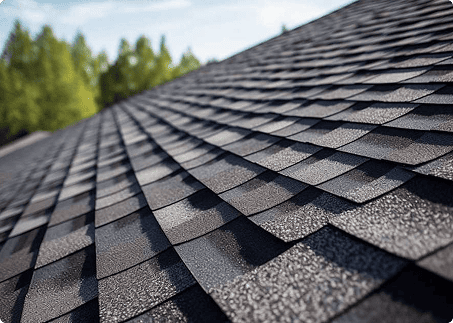

A damaged roof can quickly become a serious problem for any homeowner. Heavy rain, strong winds, falling branches, and aging roofing materials can create unexpected damage that allows water to enter your home. Even a small leak can lead to ceiling stains, damaged insulation, mold growth, and costly interior repairs if it is not addressed promptly. Knowing when to arrange emergency roof repair can help protect your property and prevent further damage.
Roof problems do not always happen at convenient times. A leak may appear during a storm, or missing shingles may expose parts of your roof to rain. In these situations, taking the right steps can reduce damage while you arrange professional assistance. Understanding the warning signs, available repair options, and importance of timely roof leak repair can help you make informed decisions.
What Is Considered an Emergency Roof Repair?
Emergency roof repair involves addressing sudden or serious roofing damage that puts your home, belongings, or safety at risk. These problems often require immediate attention to prevent water intrusion and additional structural damage.
Not every roofing issue needs an emergency response. However, certain situations should never be ignored, especially when water is entering the home or a section of the roof has become unstable.
Common Roofing Emergencies
Several situations can require urgent roofing attention, including:
-
Active roof leaks during heavy rainfall.
-
Missing or severely damaged shingles after strong winds.
-
Fallen tree branches that damage roofing materials.
-
Punctures or holes caused by debris.
-
Damaged flashing around chimneys, vents, or skylights.
-
Sagging roof sections that may indicate structural problems.
Recognizing these problems early helps homeowners understand when professional support is necessary.
Common Causes of Sudden Roof Damage
Roofs are exposed to changing weather conditions throughout the year. Although quality roofing materials are designed to handle regular exposure, unexpected events and long-term wear can weaken their ability to protect a property.
Severe Weather Conditions
Strong winds, hail, and heavy rainfall are common causes of roofing emergencies. High winds can lift shingles, break roofing materials, and expose the underlying structure. Hail may create dents, cracks, or hidden damage that becomes noticeable later.
Heavy rain can also reveal existing weaknesses in the roofing system. Water may enter through damaged shingles, loose flashing, or worn roof valleys.
Aging Roofing Materials
Roofing materials become weaker over time. Shingles may curl, crack, lose protective granules, or become loose. Older flashing and sealants can also deteriorate, creating openings where moisture can enter.
Regular inspections help identify these problems before they develop into larger repairs.
Poor Installation or Previous Repairs
Incorrect installation can create weak points across a roofing system. Improperly placed shingles, poorly sealed flashing, and inadequate drainage can increase the risk of leaks.
Previous repairs may also fail if the original cause of the problem was not properly identified.
Warning Signs You Need Immediate Roof Leak Repair
A roof leak does not always begin with a large amount of water entering your home. Sometimes, the earliest signs are small and easy to overlook. Paying attention to these warning signs can help prevent expensive damage.
Water Stains on Ceilings and Walls
Brown or yellow stains on ceilings and walls often indicate moisture problems. These marks may become larger after rainfall, suggesting that water is entering through the roof.
Even if the staining appears small, the surrounding materials may already be affected.
Dripping Water Inside the Property
Visible dripping is a clear indication that water has entered the building. Place a suitable container under the leak if it is safe to do so, and move furniture, electronics, and other valuable items away from the affected area.
Do not touch wet electrical fixtures or wiring. If water is near electrical equipment, keep away and contact a qualified electrician when necessary.
Missing or Damaged Shingles
Shingles protect the roof from direct exposure to rain and sunlight. When they become loose, cracked, or missing, the underlying layers may become vulnerable.
Homeowners should avoid climbing onto the roof to inspect the damage. A professional roofer can assess the condition safely.
Musty Odors and Damp Areas
A persistent musty smell in an attic or upper room may indicate hidden moisture. Water trapped inside roofing materials or insulation can create conditions that support mold growth.
A professional inspection can help locate the source before the problem spreads.
What Should You Do During a Roofing Emergency?
Taking sensible steps immediately after discovering roof damage can reduce the impact on your home. Your safety should always come first.
Protect Your Home From Interior Damage
If water is entering your home, move valuable belongings away from the affected area. Use containers to collect dripping water when possible, and protect nearby furniture with waterproof coverings.
If the ceiling begins to sag, avoid standing underneath it. A water-filled ceiling can become unstable and may collapse.
Document the Visible Damage
Take photographs or videos of the affected areas when it is safe. Record visible ceiling stains, damaged belongings, and water entering the property.
This information may help when discussing repairs with your roofing contractor or insurance provider.
Arrange Professional Assistance
Contact a qualified roofing contractor as soon as possible. Explain where the damage is located, whether water is actively entering the home, and whether the roof has suffered storm damage.
Avoid attempting temporary repairs from a ladder or by walking across a wet roof. These activities can create serious safety risks.
How Professional Roof Leak Repair Works
Professional roof leak repair begins with identifying where water is entering the roofing system. The visible leak inside a home does not always match the actual entry point on the roof because water can travel along roof decking, framing, and other surfaces.
Roof Inspection and Damage Assessment
A roofing professional examines the affected area to determine the source and extent of the damage. The inspection may include shingles, flashing, roof valleys, vents, and other vulnerable sections.
The contractor also checks for signs of damaged underlayment, moisture exposure, and structural concerns.
Temporary Protection
When permanent repairs cannot be completed immediately, temporary protection may be necessary. Depending on the weather and damage, a contractor may use a properly secured roof tarp or another suitable temporary covering.
Temporary measures help reduce additional water entry until permanent repairs can be completed.
Permanent Roof Repairs
The repair method depends on the type of roofing material and the severity of the problem. Damaged shingles may need replacement, while loose flashing may require proper resealing or installation.
If water has damaged the underlying roof structure, additional work may be necessary to restore the affected area.
A reliable repair should address the source of the leak rather than simply covering visible damage.
Preventing Future Roofing Emergencies
Although unexpected weather events cannot always be avoided, regular maintenance can reduce the likelihood of sudden roofing problems.
Schedule Regular Roof Inspections
Professional roof inspections help identify loose shingles, damaged flashing, worn sealants, and other developing concerns. An inspection is especially valuable after a major storm.
Finding small issues early can help homeowners avoid more extensive repairs later.
Keep Gutters and Downspouts Clean
Blocked gutters prevent rainwater from draining properly. Water may collect near roof edges and increase the risk of moisture-related damage.
Cleaning gutters regularly helps maintain proper drainage and protects roofing components.
Maintain Nearby Trees
Overhanging branches can scrape roofing materials or break during storms. Trim branches that pose a risk to your roof, and remove dead or unstable limbs with professional help when necessary.
Address Minor Problems Promptly
Small leaks, loose shingles, and deteriorating flashing should not be ignored. Minor roofing issues can become larger problems when exposed to repeated rainfall and changing temperatures.
Taking action early can reduce repair costs and help extend the life of your roof.
How to Choose the Right Emergency Roofing Contractor
Choosing a qualified roofing contractor is important when your home needs urgent attention. The right professional should understand different roofing systems, identify the source of damage, and explain the recommended repair process clearly.
Before hiring a contractor, consider the following factors:
-
Experience: Look for professionals with experience handling storm damage, roof leaks, and emergency repairs.
-
Insurance: Confirm that the contractor carries appropriate liability insurance and worker protection.
-
Written Estimates: Request a clear explanation of the recommended work and associated costs.
-
Repair Methods: Ask whether the proposed solution addresses the actual cause of the damage.
-
Communication: Choose a contractor who explains the problem, repair options, and expected timeline.
Avoid making decisions based only on the lowest estimate. Quality workmanship and appropriate materials are important for dependable roofing repairs.
Why Timely Roofing Repairs Matter
Delaying roof repairs can allow water to spread into insulation, drywall, ceilings, and wooden structural components. Continued moisture exposure may also encourage mold growth and affect indoor air quality.
A problem that begins with a few damaged shingles can eventually require more extensive work if it remains untreated.
Timely emergency roof repair helps limit these risks, protect your belongings, and maintain the overall condition of your property. It also gives homeowners a better opportunity to address damage before it affects other parts of the building.
Conclusion
Roof damage can happen unexpectedly, but taking quick and informed action can make a significant difference. Whether you are dealing with missing shingles, storm damage, or water entering your home, identifying the problem and arranging professional roof leak repair can help prevent further complications. Regular inspections and proper maintenance also play an important role in keeping your roofing system in good condition.
For homeowners seeking dependable roofing solutions, Blue Rock Roofing & Construction can be considered when addressing roofing concerns and planning necessary repairs. Taking care of roofing problems early helps protect your property, maintain its value, and provide greater peace of mind.


