

Best Top 2026 Fitness Trends: Healthy Lifestyle Tips, Workout Ideas, and Raz Vape Insights for Everyday Wellness

Navigating modern wellness requires balancing disciplined physical training with realistic, enjoyable daily habits that prevent burnout. In 2026, the fitness landscape has moved away from punishing, all-or-nothing routines toward sustainable longevity, data-driven personalization, and mindful consumption. Whether you are optimizing your cardiovascular endurance, building functional strength, or refining your daily lifestyle choices to match an active routine, understanding where health trends intersect with personal habits makes all the difference.
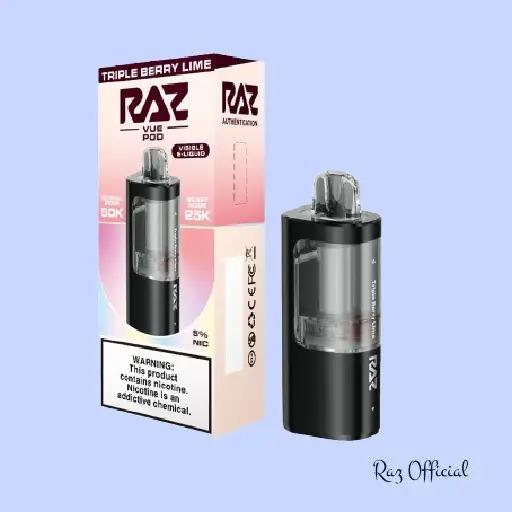
Many adults who prioritize an active lifestyle also look for modern alternatives that align better with their evolving wellness goals. As consumer awareness around stimulant intake and respiratory recovery grows, devices like the RAZ Vape DC25000 have drawn attention for offering customizable airflow, dual power modes, and transparent e-liquid and battery tracking. Rather than relying on guesswork, today’s health-conscious consumers want clear metrics across every part of their day—from heart rate variability on their smartwatch to exact output settings on their personal devices.
1. Longevity and Functional Strength Training
The defining shift in 2026 fitness is training for decades rather than just a single season. Instead of isolating muscles purely for aesthetics, workouts increasingly emphasize joint resilience, mobility, balance, and real-world power. Functional training prepares your body for everyday physical demands while protecting against age-related muscle loss and injury.
-
Zone 2 Cardio Base Building: Low-to-moderate intensity aerobic sessions—such as brisk incline walking, cycling, or rowing at 60–70% of your maximum heart rate—improve mitochondrial efficiency and metabolic health without spiking cortisol.
-
Loaded Carries and Unilateral Work: Exercises like farmer’s walks, single-leg Romanian deadlifts, and Bulgarian split squats build core stability and correct muscular imbalances left behind by bilateral gym machines.
-
Mobility Flows as Active Recovery: Dedicated 15-minute daily mobility routines targeting thoracic spine rotation, hip flexors, and ankle dorsiflexion keep joints fluid between heavier lifting days.
-
Grip Strength and Power Intervals: Short bursts of kettlebell swings, medicine ball slams, or sled pushes maintain fast-twitch muscle fibers that naturally decline with age.
2. Micro-Workouts and Hybrid Training Schedules
Time scarcity remains one of the biggest obstacles to consistency, which is why "exercise snacking" and hybrid programming dominate 2026 routines. Combining strength training with endurance conditioning in the same week—while breaking movement into manageable blocks—delivers measurable results without requiring two hours in the gym every day.
-
10-Minute Movement Snacks: Performing three 10-minute bouts of bodyweight squats, push-ups, or brisk stair climbing throughout the workday improves post-meal glucose regulation and combats prolonged sitting.
-
Concurrent Strength and Running: Pairing three full-body resistance sessions with two structured running or cycling workouts builds cardiovascular capacity alongside lean muscle mass.
-
Minimalist Home Setups: Adjustable dumbbells, suspension trainers, and resistance bands allow busy professionals to complete high-intensity metabolic conditioning circuits in under 25 minutes.
-
Progressive Overload Tracking: Logging weights, reps, and rest intervals ensures steady adaptation even when training sessions are condensed.
3. Mindful Lifestyle Habits and Nicotine-Free Alternatives
True wellness extends well beyond the weight room into how you manage stress, social rituals, and daily cravings. For adult vapers who are actively refining their fitness regimens, transitioning away from stimulants like nicotine while keeping familiar sensory habits is a growing priority. Integrating a zero-nicotine option such as the RAZ TN9000 ZERO NICOTINE allows individuals to enjoy crisp flavor profiles and draw-activated convenience with 0% nicotine, supporting a cleaner approach to everyday relaxation without harsh throat hits.
-
Stimulant Curfews: Cutting off caffeine and nicotine at least 8 to 10 hours before bedtime protects deep slow-wave sleep and REM cycles essential for muscle repair.
-
Sensory Substitution: Replacing high-stimulant breaks with zero-nicotine flavor options, herbal teas, or sparkling mineral water satisfies oral fixation and stress-relief rituals without elevating resting heart rate.
-
Intentional Breathwork: Practicing five minutes of physiological sighs or box breathing post-workout shifts the nervous system from sympathetic "fight-or-flight" mode into parasympathetic recovery.
-
Hydration with Electrolytes: Replenishing sodium, potassium, and magnesium—especially after sweat-heavy sessions—prevents fatigue and reduces afternoon cravings driven by mild dehydration.
4. Regenerative Recovery and Sleep Optimization
In 2026, recovery is treated with the same structure and discipline as training itself. Athletes and everyday fitness enthusiasts recognize that muscle tissue grows and adapts during rest, not during the workout. Prioritizing nervous system restoration prevents overtraining syndrome and keeps energy levels steady across demanding workweeks.
-
Consistent Circadian Anchors: Waking up and viewing natural outdoor sunlight within 30 minutes of rising regulates cortisol and sets a predictable melatonin release window for the evening.
-
Thermal Contrast Therapy: Alternating between sauna heat exposure and cold plunges or cold showers helps reduce perceived muscle soreness and supports circulation after intense training blocks.
-
Sleep Environment Engineering: Keeping bedroom temperatures cool (around 65°F / 18°C), eliminating blue light an hour before sleep, and using blackout curtains dramatically improve sleep efficiency.
-
Deload Weeks Every 6 to 8 Weeks: Reducing training volume by 40–50% for a scheduled week allows tendons, ligaments, and the central nervous system to fully supercompensate.
5. Personalized Nutrition and Metabolic Flexibility
One-size-fits-all fad diets have largely been replaced by individualized, protein-forward nutrition focused on blood sugar stability and gut health. Rather than extreme calorie restriction, 2026 dietary habits center on fueling workouts effectively and maintaining steady cognitive focus throughout the afternoon.
-
Protein Pacing Across Meals: Aiming for 25–40 grams of high-quality protein per meal maximizes muscle protein synthesis and promotes natural satiety.
-
Fiber-First Meal Sequencing: Eating non-starchy vegetables and protein before simple carbohydrates blunts sharp glucose spikes and prevents post-lunch energy crashes.
-
Whole-Food Micronutrient Density: Incorporating fermented foods, omega-3-rich fish, berries, and leafy greens supports gut microbiome diversity and lowers systemic inflammation.
-
Smart Pre- and Post-Workout Fueling: Pairing easily digestible carbohydrates with lean protein around strenuous workouts accelerates glycogen replenishment and recovery.
6. Sustainable Everyday Wellness and Conclusion
Building an enduring wellness routine in 2026 comes down to alignment—making sure your workouts, recovery practices, nutrition, and personal lifestyle tools work together rather than against each other. Small, repeatable upgrades compound over months into higher stamina, clearer focus, and stronger physical resilience.
When every choice supports your broader goals, maintaining momentum feels natural instead of forced. Whether you are dialing in your weekly Zone 2 cardio, prioritizing deeper sleep, or choosing a long-lasting, stimulant-free companion like the RAZ LTX 25K ZERO NICOTINE with dual modes and up to 25,000 puffs to complement a balanced routine, sustainable wellness is ultimately about smart customization and intentional living.


