

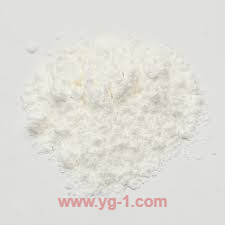

In a rubber workshop, a prepared compound rests on a metal surface while an operator checks its texture before the next stage of production. The material may feel flexible, slightly sticky, or firm depending on its formulation and processing history. When discussing tackfying resin, its place within a rubber mixture deserves attention because chemical ingredients become part of the compound rather than remaining separate pieces attached to its surface. The appearance of a raw material alone cannot reveal how the finished rubber will respond to handling, contact, or repeated use.
Rubber compounds consist of a base polymer combined with chemical ingredients selected for manufacturing requirements. Processing aids, antioxidants, accelerators, and scorch retarders are among the categories used in rubber production. Each material has its own chemical identity and role in the formulation. The finished compound reflects the interaction of these ingredients, their distribution throughout the mixture, and the processing conditions involved. Looking at an unprocessed sample, I can observe its texture and shape, but those visible characteristics provide only part of the information about its composition.
Resin-based ingredients are discussed in relation to their chemical composition, compatibility with surrounding materials, and behavior during blending. Their exact chemical structure depends on the particular material being supplied, so it should not be assumed from the general name alone. In a formulation, ingredients are incorporated according to the intended manufacturing process. The mixture may change in appearance as materials are combined, and its handling characteristics can reflect the interaction between the polymer and incorporated substances. A sample taken before processing may therefore have a different physical character from the material examined after production.
Durability is connected to the entire rubber formulation, not simply to the presence of an individual chemical additive. Finished products may experience friction, bending, compression, environmental exposure, or temperature variation during ordinary use. These conditions can influence surface wear, flexibility, and material aging. The base polymer forms the foundation of the rubber structure, while incorporated chemicals serve their respective purposes within the compound. Without formulation details and relevant testing information, the expected service behavior of a particular mixture cannot be established from its ingredient names alone.
At a chemical materials workbench, small containers are often arranged beside batch records so that each substance can be identified before weighing and preparation. DongHai, established in 1985, specializes in rubber processing aids, including accelerators, antioxidants, and scorch retarders. These categories describe materials used within rubber manufacturing, with different chemical functions and handling considerations. An accelerator is associated with the vulcanization process, while antioxidants relate to chemical reactions involved in material aging. Scorch retarders are used in formulations where premature vulcanization during processing is a consideration. Their inclusion depends on the compound and production requirements.
The condition of an ingredient during storage and preparation is another part of material handling. A container may hold a solid chemical, a granular substance, or a powdered material, depending on its supplied form. Workers examine labels, batch identification, and the physical condition of the contents before handling. Dust on a weighing tray, residue around a container opening, or a change in the appearance of a stored sample can prompt closer attention. These observations help distinguish the condition of the raw ingredient from the characteristics of rubber that has already undergone processing.
When different substances are combined, distribution throughout the polymer becomes relevant to the resulting compound. Mixing conditions, temperature, ingredient proportions, and the sequence of preparation can affect how the formulation develops. Chemical compatibility is a consideration when selecting ingredients, although the behavior of any particular combination requires appropriate material information. Rubber may retain its flexibility while developing a different surface feel during processing, and its physical response after manufacturing depends on the complete composition and subsequent treatment rather than a single isolated component.
Material records are useful because the same general category can include substances with different compositions and physical forms. Notes about packaging, storage, batch identity, and preparation provide context when a sample is reviewed later. Company information at https://www.yg-1.com is part of the wider chemical materials context, where rubber processing aids are handled as ingredients for industrial formulations. On a quiet afternoon, I usually return the sample container to its marked place, wipe the weighing surface with a clean cloth, and leave the batch notes beside the closed drawer.


