

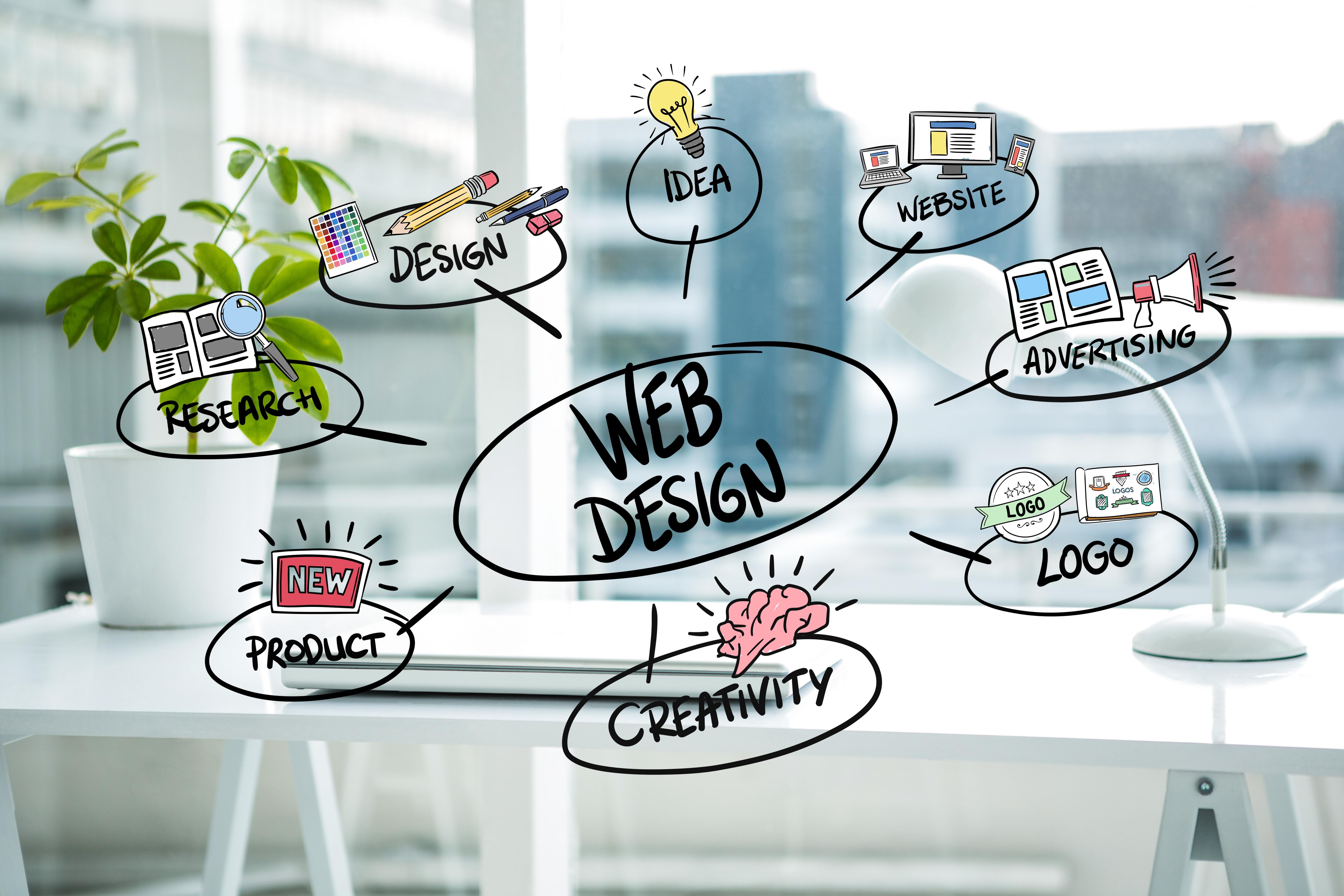

A business website is more than an online presentation of a company. It is a place where potential customers discover services, learn about a brand and decide whether they want to make contact. To achieve these goals, a website needs an effective combination of attractive design, practical functionality and useful information. Businesses must consider how their websites look as well as how visitors interact with them. Professional web design Bristol brings these elements together by creating websites that reflect business identities while meeting customer expectations. From responsive layouts and clear navigation to website performance and search engine optimisation, every design decision should support a practical purpose. A well-planned website can help Bristol businesses establish credibility, communicate effectively and build a stronger online presence.
Understanding Business Requirements Before Designing
Every business has different objectives, audiences and services. Before starting a website project, designers should understand what the company wants to achieve and what visitors expect to find. This planning stage helps ensure that web design Bristol projects focus on genuine business requirements rather than appearance alone.
Identifying the Main Business Objectives
Some businesses want to generate enquiries, while others need online bookings, product sales or better brand awareness. Understanding these objectives helps determine which pages, features and design elements are necessary.
For example, a local service provider may need prominent contact details and quotation forms. An online retailer may require product categories, shopping carts and secure payment options.
Understanding the Target Audience
Knowing the target audience helps designers create websites that are suitable for the people using them. Age groups, interests, browsing habits and customer expectations can influence website layouts and content presentation.
Businesses should consider the questions customers commonly ask before making a decision. Providing relevant information in an accessible format makes the website more useful and encourages visitors to explore further.
Combining Attractive Design With Practical Functionality
A visually appealing website can attract attention, but its features must also work properly. Businesses need designs that make important information accessible and allow visitors to complete actions easily. Effective web design Bristol combines visual creativity with practical website functionality.
Choosing a Consistent Visual Style
Colours, typography, images and spacing contribute to a website's overall appearance. These elements should reflect the company's identity and create a consistent experience across different pages.
A suitable visual style makes a website recognisable without overwhelming visitors. Designers should avoid unnecessary decorative elements that distract from the main content.
Making Every Design Element Useful
Website features should serve a clear purpose. Buttons should guide visitors towards relevant actions, images should support the content and navigation menus should help users find information.
When design decisions are connected to business objectives, the website becomes more than an attractive digital presentation. It becomes a practical communication tool.
Creating Responsive Websites for Different Devices
Customers use smartphones, tablets and desktop computers to access business websites. A website should adjust to different screen sizes while maintaining its essential features. Responsive web design Bristol helps businesses provide a consistent experience for visitors regardless of the device they use.
Improving the Mobile Browsing Experience
Mobile websites should have readable text, suitable image sizes and buttons that are easy to tap. Menus should be simple, and visitors should not need to zoom in repeatedly to understand information.
Businesses should test their websites on different mobile devices to identify layout problems. A comfortable mobile experience can make it easier for customers to explore services and contact a company.
Maintaining Desktop and Tablet Compatibility
Responsive design also considers larger screens. Content should remain properly organised on tablets and desktop computers rather than appearing stretched or poorly arranged.
Testing different screen sizes helps maintain consistency across the website. This allows visitors to recognise the same branding and access important features on their preferred devices.
Improving Website Navigation and Content Structure
Visitors should be able to locate information without unnecessary effort. A clear website structure makes it easier to understand available services and move between different sections. Good web design Bristol uses organised navigation to support both customer needs and business objectives.
Organising Important Website Pages
Most business websites need essential sections such as Home, About, Services and Contact. Additional pages can provide information about individual services, company experience and frequently asked questions.
Organising related pages under suitable categories creates a logical structure. It also helps businesses add new content without making the website difficult to navigate.
Using Clear Headings and Content
Headings help visitors understand what each section covers. Short paragraphs, descriptive titles and straightforward language make website content easier to scan.
Businesses should focus on answering customer questions rather than filling pages with unnecessary information. Clear content supports better communication and makes the browsing experience more useful.
Building Brand Recognition Through Website Design
A website is an important part of a company's brand identity. Its visual appearance should communicate the business's personality and help customers recognise it across different online platforms. Professional web design Bristol can bring branding elements together to create a consistent digital presence.
Maintaining Consistent Branding
Businesses should use consistent logos, colours, fonts and visual elements throughout their websites. This creates a recognisable appearance and helps visitors associate the design with the company.
Brand consistency should also extend to social media profiles and other digital marketing materials. A connected visual identity makes the business easier to recognise.
Using Original Images and Visual Content
Relevant photographs, graphics and illustrations can help explain products and services. Original business images can also provide visitors with a better understanding of the company.
Images should be selected carefully and optimised for website performance. High-quality visual content can improve presentation without slowing down the browsing experience.
Supporting Search Engine Optimisation Through Design
Website design and SEO should work together from the beginning of a project. A well-organised website makes information easier to access and helps search engines understand its content. Businesses investing in web design Bristol should consider SEO requirements when planning their website structure.
Creating Search Friendly Website Pages
Each important page should have a clear purpose, descriptive title and relevant headings. Content should focus on the services and questions that matter to the target audience.
Logical URLs and relevant internal links also help connect related pages. These elements contribute to a website structure that is easier to understand and explore.
Improving Local Search Relevance
Bristol businesses can provide useful location-specific information to connect with local customers. Service descriptions, business details and relevant area information help explain where a company operates.
Location-based content should remain natural and informative. Instead of repeating keywords unnecessarily, businesses should focus on answering questions that local customers are likely to ask.
Designing Websites That Generate Customer Enquiries
A business website should provide visitors with convenient ways to contact the company. Whether someone wants a quotation, consultation or additional information, the next step should be easy to understand. Effective web design Bristol considers enquiry generation when arranging website layouts and features.
Adding Clear Calls to Action
Calls to action guide visitors towards important activities. Buttons such as Contact Us, Request a Quote and Book an Appointment can direct users to relevant pages or forms.
Their placement and wording should be clear. Businesses should avoid using too many competing buttons because this can make it difficult for visitors to decide what to do next.
Creating Simple Contact Forms
Contact forms should collect the information a business genuinely needs. Asking too many questions can discourage visitors from completing the form.
A straightforward form with clear labels and helpful instructions makes communication easier. Businesses should also check that submissions are received correctly and that visitors see a confirmation message.
Prioritising Website Speed and Security
Website performance affects how customers interact with a business online. Slow pages and security concerns can reduce confidence and interrupt the browsing experience. Quality web design Bristol should include performance and security considerations throughout website development.
Improving Website Loading Speed
Image compression, efficient coding and suitable hosting can help improve loading performance. Businesses should also review unnecessary plugins, scripts and third-party resources.
Google PageSpeed Insights can help identify performance issues and suggest areas for improvement. Regular testing helps website owners understand how their pages perform on desktop and mobile devices.
Protecting Website Information
Security measures are important for businesses that collect customer details or process online transactions. HTTPS, regular software updates and secure administrative access help protect website information.
Businesses should also maintain regular backups and use reliable security tools. These practices support website stability and reduce the risks associated with technical problems.
Choosing Website Features That Support Business Operations
The right website features can make everyday business activities easier. Different companies may require booking systems, product catalogues, enquiry forms or customer support tools. Professional web design Bristol considers which features provide genuine value instead of adding unnecessary complexity.
Integrating Useful Business Tools
Appointment booking systems can help service providers manage customer schedules. E-commerce functionality allows retailers to display products and accept online orders, while enquiry tools support communication.
Businesses should select integrations according to their operations. Every additional feature should be tested to ensure it works correctly and provides a useful experience.
Making Website Management Easier
A suitable content management system allows business owners to update pages, images and blog posts. WordPress is one option that provides flexibility for businesses with different website requirements.
An organised website backend makes routine updates more manageable. It also helps companies keep service information accurate as their operations change.
Measuring Results and Improving Website Design
A business website should continue developing after launch. Reviewing performance, understanding customer behaviour and collecting feedback can reveal areas that need attention. Successful web design agency Bristol involves making improvements that support changing business requirements.
Monitoring Website Performance
Analytics tools can help businesses understand website traffic, popular pages and visitor activity. This information can show which sections attract attention and where visitors may be experiencing difficulties.
Businesses can use these findings to review navigation, content and enquiry processes. Measuring website performance helps guide improvements based on actual user behaviour.
Updating Content and Website Features
Regular website reviews help ensure that information remains accurate and relevant. Businesses should update service details, contact information, images and other important sections when changes occur.
Customer feedback can also highlight opportunities to improve website functionality. Making practical updates helps maintain a website that continues to meet business and customer needs.
Conclusion
Successful business websites require a balance between attractive design and practical functionality. From understanding customer requirements and creating responsive layouts to improving navigation, SEO and website performance, every element should contribute to a clear purpose. Professional web design Bristol helps local businesses develop websites that reflect their brand identity while supporting their daily operations and long-term objectives. By choosing useful features, maintaining consistent branding and reviewing website performance regularly, businesses can create a stronger onlin e presence and provide visitors with a better experience.
Add a clearer local business focusReduce repeated keyword usage


