

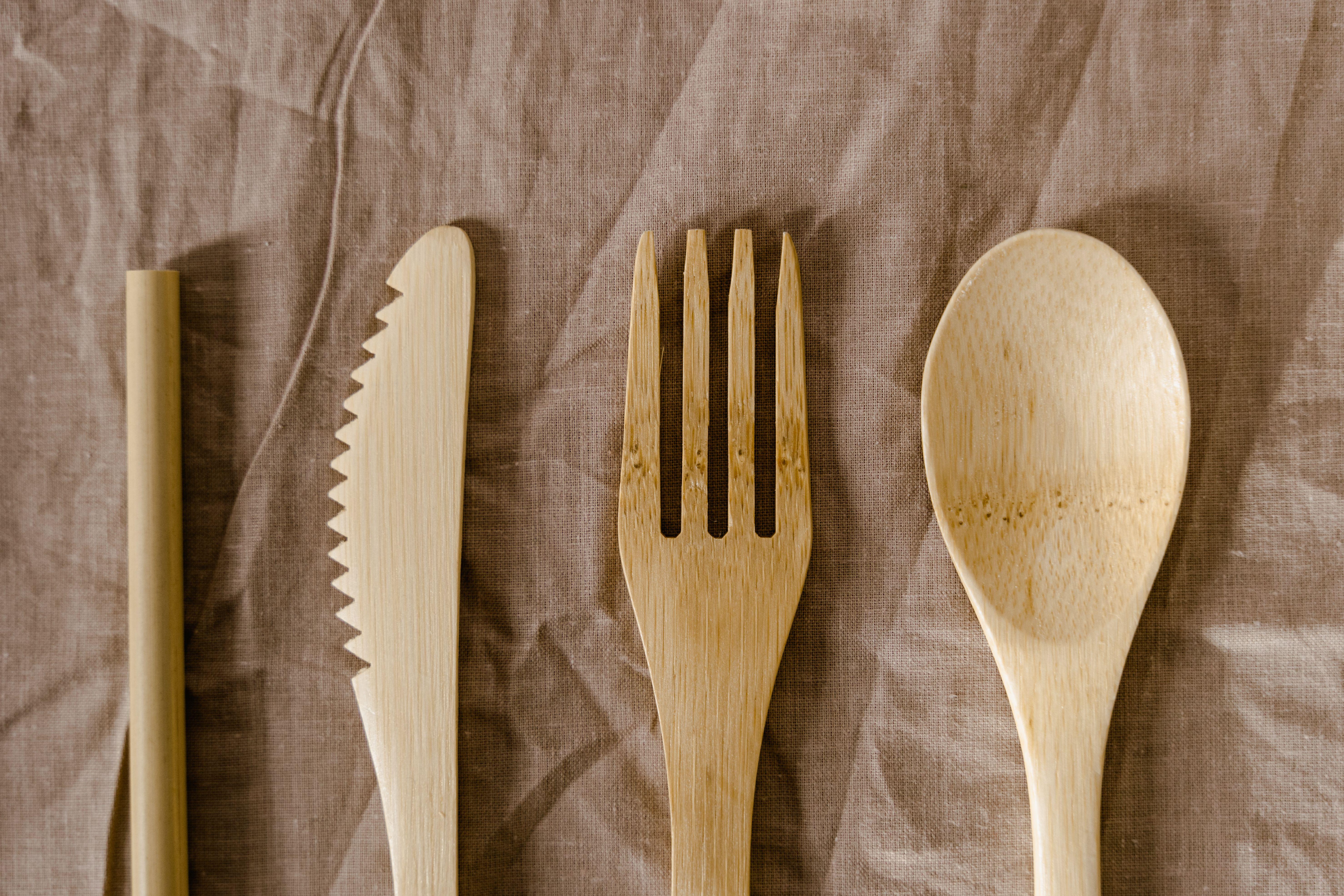

Sustainable food packaging is becoming an important consideration for businesses operating across the foodservice and hospitality industries. Restaurants, food delivery platforms, catering providers, and retailers are exploring different ways to improve their packaging choices and reduce dependence on conventional disposable materials. Alongside containers, wrappers, and takeaway boxes, disposable cutlery is also receiving attention as part of the broader sustainable packaging conversation.
The growing demand for biodegradable food packaging accessories demonstrates the increasing interest in environmentally conscious dining solutions. Biodegradable cutlery complements sustainable packaging initiatives by providing alternative utensils for consumers who require convenient dining accessories. This connection is encouraging manufacturers to develop products that address changing foodservice expectations.
The Connection Between Cutlery and Food Packaging
Food packaging involves more than protecting and transporting meals. It also includes the accessories that make food consumption convenient for customers.
Disposable spoons, forks, knives, and other utensils are commonly provided with takeaway orders and ready-to-eat meals. Their material selection can influence the overall sustainability positioning of a foodservice package.
Businesses that introduce environmentally conscious containers may also consider alternative cutlery to create a more consistent packaging approach. This can help restaurants and delivery providers align different components of their customer experience.
The relationship between packaging and cutlery is particularly relevant for quick-service restaurants. These businesses frequently distribute meals in disposable packaging and require utensils that are practical, convenient, and suitable for different food categories.
Food Delivery and Takeaway Applications
The expansion of takeaway dining has increased the importance of convenient packaging accessories. Customers expect their food orders to arrive with suitable components that support easy consumption.
Biodegradable cutlery can be considered by food delivery businesses seeking alternatives to traditional plastic utensils. Restaurants may include biodegradable forks, spoons, and knives with selected meal orders depending on customer preferences and operational requirements.
Food delivery providers also have opportunities to encourage responsible product choices through packaging options and customer communication.
The growing importance of convenient dining is creating demand for disposable accessories that are functional and compatible with different packaging formats.
Material Innovation in Sustainable Packaging
Material innovation is shaping the development of biodegradable cutlery and other sustainable packaging products. Manufacturers are exploring plant-based and naturally derived materials that can be processed into practical dining utensils.
The selection of raw materials influences manufacturing techniques, product strength, flexibility, appearance, and suitability for different foods.
For example, utensils intended for hot meals may have different performance requirements from those designed for cold desserts or light snacks. Product development must account for these differences to maintain customer satisfaction.
Manufacturers are also considering how biodegradable cutlery can be packaged and distributed. Appropriate packaging design can help protect the utensils while supporting the broader sustainability positioning of the product.
Opportunities Across Retail and Hospitality
The retail industry provides opportunities for biodegradable cutlery through household dining products and disposable accessories. Consumers may purchase these products for picnics, travel, parties, celebrations, and everyday convenience.
Hotels and resorts can also consider biodegradable utensils as part of their broader environmental initiatives. These products may be suitable for takeaway counters, outdoor dining arrangements, room service packaging, and event catering.
Institutional foodservice providers represent another potential application area. Schools, corporate cafeterias, healthcare catering operations, and other food distribution facilities may evaluate disposable cutlery based on their operational requirements.
These applications allow manufacturers to serve multiple industries and diversify their customer base.
Challenges in Sustainable Product Adoption
Although biodegradable cutlery offers opportunities, businesses must consider practical challenges before adopting these products.
Manufacturing expenses and raw material availability can influence product affordability. Companies must also evaluate product strength, shelf stability, storage conditions, and compatibility with different food applications.
Another challenge involves customer understanding. Biodegradable, compostable, and recyclable materials are not necessarily interchangeable. Businesses need accurate product information to communicate the correct disposal requirements.
Waste management infrastructure is also important. The environmental benefits of biodegradable products depend partly on appropriate disposal and processing conditions.
Manufacturers can address these challenges through product education, quality improvements, and transparent labeling.
The Role of Manufacturers in Industry Development
Manufacturers are central to the development of sustainable cutlery solutions. Their decisions regarding material sourcing, product design, manufacturing processes, and packaging influence the quality of available products.
Businesses that understand foodservice requirements can develop products suitable for different customer segments. They can also work with packaging distributors and restaurant operators to improve product accessibility.
Innovation, dependable supply, and customer support can help manufacturers establish long-term business relationships.
Conclusion
The biodegradable cutlery market is connected to the broader transformation of food packaging and disposable dining accessories. As businesses evaluate sustainable packaging strategies, biodegradable utensils are becoming an important product category for consideration.
The industry's development will depend on material innovation, product performance, affordability, and responsible disposal practices. Manufacturers that successfully address these requirements can strengthen their position in the evolving sustainable foodservice landscape.
FAQs
Q1. What is the relationship between biodegradable cutlery and sustainable food packaging?
Biodegradable cutlery complements sustainable food packaging by providing alternative disposable utensils that businesses can consider alongside environmentally conscious food containers and packaging accessories.
Q2. Can biodegradable cutlery be used for takeaway food?
Yes. Biodegradable cutlery can be used with takeaway meals, food delivery orders, catering services, and other applications, depending on the product's material and performance characteristics.


