

How Professional Mold Remediation Helps Businesses Maintain Cleaner Commercial Properties in Shippensburg, PA?

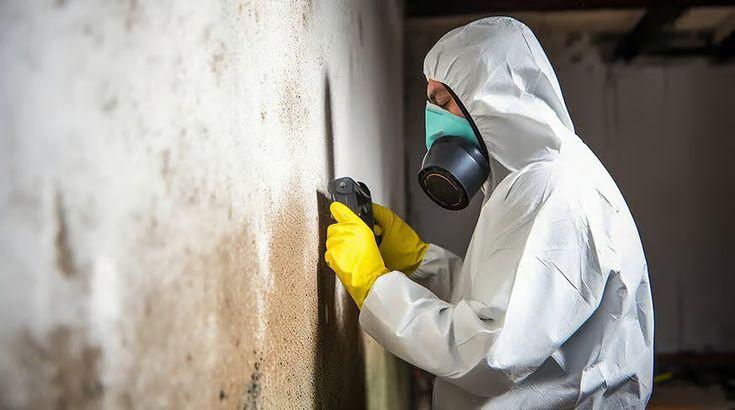
A commercial building needs regular attention to remain clean, comfortable, and suitable for daily operations. But when moisture enters through a leaking roof, plumbing issue, or foundation problem, mold may begin developing in areas that employees and customers rarely see. A musty odor, ceiling stain, or damp patch can be an early warning that something needs attention. For business owners researching Commercial mold remediation Shippensburg PA, understanding how professional remediation works can help them respond before moisture-related damage becomes more extensive. From identifying affected materials to controlling the work area and addressing the source of moisture, a planned approach helps businesses manage mold concerns and maintain their properties.
Why Mold Concerns Matter in Commercial Buildings?
Commercial properties often have different moisture challenges from residential homes. Offices, retail stores, warehouses, restaurants, and other business facilities may contain large indoor areas, shared ventilation systems, storage spaces, and rooms that receive limited attention during routine cleaning.
When moisture remains in a building, mold may develop on materials such as drywall, ceiling tiles, wood, insulation, and certain flooring components. A small leak above a suspended ceiling, for example, might go unnoticed until staining or an unpleasant odor appears.
Mold concerns can affect more than the appearance of a property. They may create maintenance problems, damage building materials, and lead to disruptions while affected areas are inspected or repaired.
Warning Signs Business Owners Should Notice
Regular property inspections can help identify possible moisture issues before they spread. Watch for:
-
Musty or persistent odors in offices, storage rooms, or hallways.
-
Water stains on ceilings, walls, and floors.
-
Discoloration or visible growth on building materials.
-
Peeling paint or damaged ceiling tiles.
-
Condensation around windows, pipes, or ventilation equipment.
-
Damp areas following leaks, flooding, or heavy rainfall.
These signs don't confirm mold by themselves, but they indicate that further investigation may be necessary. Business owners should pay particular attention to areas around plumbing lines, roof penetrations, bathrooms, kitchens, and mechanical rooms.
How Professional Remediation Addresses Mold Problems?
Mold remediation involves assessing the affected area, determining which materials need attention, controlling the work environment, and carrying out suitable cleanup or removal. The right process depends on the extent of the problem and the type of materials involved.
Simply wiping visible growth from a surface may not be enough if moisture has affected porous materials or if contamination extends behind walls and ceilings. A professional assessment helps establish the scope of work before decisions are made.
Assessing the Extent of the Damage
The first step is to understand where the moisture problem exists and which parts of the building may be affected. This can involve examining visible damage, checking areas around previous leaks, and considering whether moisture may have moved into concealed spaces.
For example, a roof leak in an office may leave water stains on ceiling tiles. However, the surrounding insulation or nearby building materials could also have become damp. Replacing the stained tiles alone may not address the full problem.
Removing Materials That Cannot Be Restored
Some affected materials can be cleaned, while others may require removal. Porous materials that are extensively damaged or contaminated may not be suitable for restoration.
Depending on the assessment, removal work may involve sections of drywall, insulation, ceiling materials, or flooring. The process should be planned to limit unnecessary disturbance and protect nearby areas.
Professional remediation may include:
-
Identifying materials that need cleaning or removal.
-
Establishing appropriate work-area controls.
-
Using suitable protective equipment and procedures.
-
Handling affected materials and debris carefully.
-
Cleaning the remaining surfaces as appropriate.
-
Preparing the area for necessary repairs.
The goal is to address the affected space rather than simply improve its appearance temporarily.
Why Containment and Worksite Protection Are Important?
Commercial buildings often remain active while maintenance work is being planned. Employees may be working nearby, customers may be visiting, and important equipment or inventory may be stored in surrounding rooms.
When mold-affected materials are disturbed, dust and particles can move beyond the immediate work area if suitable precautions aren't taken. Containment helps limit that movement and makes the work easier to manage.
Protecting Employees, Customers, and Property
The appropriate containment measures depend on the size and location of the affected area. A small isolated room may require different precautions from a large section of a warehouse or office building.
Before work begins, business owners should discuss how the contractor plans to:
-
Separate the work area from occupied spaces.
-
Protect nearby furniture, equipment, and inventory.
-
Control dust and debris during material removal.
-
Manage access to the affected section.
-
Handle waste and removed building materials appropriately.
For a retail business, this planning may help keep unaffected areas organized while work takes place. In an office, it may help management decide whether employees can continue working in other rooms or whether temporary relocation is more practical.
Businesses considering Business property mold removal services in Shippensburg, PA should ask how containment will be handled and what precautions are appropriate for their building.
Preventing Recurring Problems Through Moisture Management
Removing affected materials is only one part of resolving a mold issue. If the original source of moisture remains, similar problems may develop again.
Common causes include leaking plumbing, damaged roofing, poor drainage, condensation, and inadequate ventilation. Commercial buildings may also experience moisture problems when heating, ventilation, and air conditioning systems aren't maintained properly.
Address the Cause of Moisture
Consider a warehouse where a roof leak repeatedly wets ceiling materials during rainfall. Removing damaged materials may be necessary, but the roof must also be inspected and repaired. Otherwise, replacement materials could become affected by the next leak.
Business owners should work with the appropriate professionals to address the source. Depending on the situation, this may involve a plumber, roofing contractor, drainage specialist, or HVAC technician.
Build Regular Inspection Into Property Maintenance
A practical maintenance routine can help businesses identify issues earlier. Consider adding these tasks to a regular inspection schedule:
-
Check ceilings and walls for fresh water stains.
-
Inspect plumbing areas for leaks or condensation.
-
Look for standing water near entrances and foundations.
-
Keep gutters and drainage systems clear.
-
Maintain ventilation equipment according to manufacturer recommendations.
-
Investigate musty odors instead of masking them with air fresheners.
-
Arrange prompt repairs when water damage is discovered.
These steps don't eliminate every possible mold concern, but they can help reduce avoidable moisture problems and support better building maintenance.
Choosing a Remediation Provider for Your Business
Selecting a service provider requires more than comparing prices. Business owners should understand what the contractor will do, how the work will be managed, and which parts of the project may require other specialists.
A clear written estimate can help establish expectations and reduce confusion during the project.
Questions to Ask Before Work Begins
Before hiring a provider, consider asking:
-
What areas of the property appear to be affected?
-
Which materials can be cleaned, and which may need removal?
-
What containment and worksite protection measures are planned?
-
How will debris and removed materials be handled?
-
Does the moisture source require separate repairs?
-
Are testing, reconstruction, or follow-up services included?
-
How might the work affect normal business operations?
The provider should be able to explain the proposed work in straightforward language. Be cautious of broad promises that don't include an assessment or a clear description of the services being offered.
Wilbur Hull Nano Cleaning Solutions, located at 308 S Fayette St, Shippensburg, PA 17257, provides environmental abatement and mold demolition and removal services. Local business owners can contact the company to discuss moisture-related concerns, affected building materials, and the services that may be suitable for their property.
Some commercial projects may also require specialized testing, plumbing repairs, roof work, or reconstruction. Confirming which services are included—and which need another professional—helps businesses plan the project more effectively.
Conclusion
Mold concerns in commercial buildings should be addressed with a clear plan that considers the affected materials, worksite protection, and the source of moisture. Professional assessment and appropriate removal can help businesses deal with existing damage, while routine inspections and timely repairs can reduce the chance of recurring problems. Waiting until visible damage becomes extensive may lead to more complicated maintenance work and disruption.
For businesses exploring Commercial mold remediation Shippensburg PA, start by arranging an assessment and asking for a clear explanation of the recommended work. Wilbur Hull Nano Cleaning Solutions can discuss its environmental abatement and mold removal services with local property owners. Contact the company to explain your building's needs and learn about the next steps.


