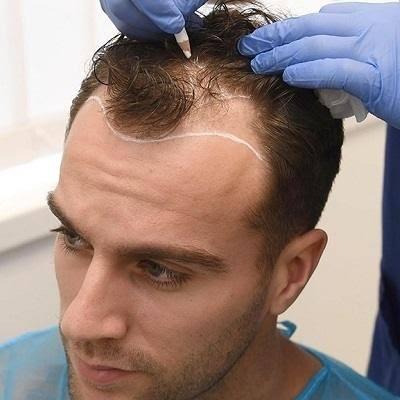
Hair transplantation is a personalised procedure that requires careful evaluation of several scalp and hair characteristics. One important factor is scalp thickness, which can influence how hair follicles are assessed, how the treatment area is approached, and how grafts are distributed. Although hair density and donor hair quality often receive significant attention, the condition and thickness of the scalp also contribute to treatment planning.
People considering a Hair Transplant in Dubai may wonder whether having a thin or thick scalp affects their suitability for the procedure. Understanding this factor helps patients develop realistic expectations and allows specialists to create a treatment plan based on individual anatomical characteristics.
Understanding Scalp Thickness in Hair Transplantation
Scalp thickness refers to the depth and structure of the skin and underlying tissue covering the skull. It varies between individuals and can differ across different areas of the same scalp.
The scalp contains several layers, including skin, connective tissue, and deeper structures. These layers support hair follicles and provide the environment necessary for healthy hair growth.
During hair transplant planning, specialists assess the scalp alongside other characteristics, such as:
-
Existing hair density and distribution.
-
Donor area quality and follicle availability.
-
Scalp flexibility and tissue condition.
-
Hair texture and thickness.
-
Pattern and progression of hair loss.
Evaluating these characteristics provides a more complete understanding of the patient's scalp and helps guide procedural decisions.
How Does Scalp Thickness Affect Hair Follicle Placement?
Scalp thickness can influence how specialists approach the placement of transplanted follicles. Hair follicles need to be positioned at appropriate depths and angles to support natural-looking growth.
When the scalp has different tissue characteristics, the specialist may need to adapt the placement technique accordingly. The objective is to create a balanced appearance while respecting the natural structure of the scalp.
Proper placement considers several factors, including the direction of existing hair, the natural growth angle, and the characteristics of the recipient area.
Rather than following a standard placement pattern, specialists assess the individual scalp to determine an appropriate approach.
Does a Thin Scalp Affect Hair Transplant Suitability?
Having a thin scalp does not automatically make someone unsuitable for hair transplantation. However, it may require additional attention during the assessment and treatment-planning stages.
In some individuals, thinner scalp tissue may influence how the recipient area responds to follicular placement. Specialists must consider tissue depth, blood supply, and the condition of the surrounding skin before recommending an appropriate technique.
A detailed assessment also helps identify whether the scalp has any underlying concerns that could affect healing.
Patients should understand that scalp thickness alone cannot determine the success of a hair transplant. Donor hair availability, general scalp health, surgical technique, and post-procedure care are equally important considerations.
Can a Thick Scalp Influence Hair Transplant Results?
A thicker scalp also has specific characteristics that specialists consider during transplantation. Differences in tissue structure may affect how recipient sites are created and how grafts are positioned.
For example, the specialist may evaluate how the tissue responds during site creation and whether adjustments are needed to achieve appropriate follicle orientation.
However, thicker scalp tissue does not necessarily mean better hair transplant outcomes. The quality and survival of transplanted follicles depend on multiple factors, including careful graft handling, appropriate placement, and suitable aftercare.
The primary objective is to achieve natural-looking coverage rather than simply increasing the number of transplanted grafts.
Why Is Scalp Blood Supply Important During Planning?
Blood circulation plays an essential role in maintaining healthy scalp tissue and supporting transplanted hair follicles.
After transplantation, newly placed follicles depend on the surrounding tissue for oxygen and nutrients as the healing process progresses. The scalp's vascular network helps support this process.
Scalp thickness and tissue characteristics may be considered when evaluating the recipient area, but thickness does not directly indicate how good the blood supply is.
Specialists may assess:
-
The general condition of the scalp.
-
Previous scars or surgical changes.
-
Signs of inflammation or irritation.
-
Tissue health in the donor and recipient areas.
-
Any medical factors that could influence healing.
This evaluation helps identify potential concerns before the procedure.
How Does Scalp Thickness Influence FUE Hair Transplant Planning?
Follicular Unit Extraction (FUE) involves removing individual follicular units from the donor area and placing them into areas affected by hair loss.
Scalp characteristics are important during both extraction and implantation. The specialist evaluates the donor tissue to determine an appropriate extraction approach while considering the condition of the recipient area.
For individuals with different scalp thicknesses, procedural planning may involve adjustments to extraction depth, recipient-site creation, and graft placement.
The treatment plan also considers the distribution of available follicles to avoid excessive extraction from the donor area.
FUE is not automatically more suitable for thin or thick scalps. The appropriate technique depends on the patient's overall condition, hair loss pattern, and professional assessment.
What Other Factors Should Be Evaluated Alongside Scalp Thickness?
Scalp thickness is only one part of a comprehensive hair transplant assessment. Other characteristics can have a significant influence on treatment planning and expected results.
Donor Hair Density: The number and quality of available follicles determine how much coverage can reasonably be achieved.
Hair Shaft Thickness: Naturally thicker hair strands may provide more visual coverage than finer strands, even when the number of grafts is similar.
Hair Loss Pattern: The location and progression of hair loss help specialists determine which areas should receive priority.
Scalp Health: Conditions such as inflammation, infection, and certain scalp disorders may need attention before surgery.
Hair Loss Stability: Understanding whether hair loss is continuing helps specialists plan for future changes and preserve donor hair resources.
Considering these factors together supports a more realistic and individualised treatment approach.
Hair Transplant Assessment at Tajmeels Clinic
At tajmeels clinic dubai, hair transplant planning involves considering individual scalp characteristics, donor hair quality, existing hair density, and personal restoration goals. Scalp thickness can be one of the factors evaluated when determining an appropriate approach for follicular extraction and implantation. A personalised consultation helps assess the patient's hair loss pattern, scalp condition, and suitability for treatment. This assessment also provides an opportunity to discuss realistic expectations, procedural considerations, and appropriate aftercare. By considering multiple factors rather than relying on scalp thickness alone, treatment planning can be better aligned with individual hair restoration needs.
What Should Patients Know Before Hair Transplantation?
Patients should understand that scalp thickness is not a standalone predictor of hair transplant success. Both thin and thick scalps may be suitable for treatment, depending on other anatomical and medical considerations.
A professional consultation is important for identifying individual requirements and determining whether hair transplantation is appropriate. Patients should also discuss their medical history, current medications, previous scalp treatments, and expectations before proceeding.
Following post-procedure instructions and attending recommended follow-up appointments are important parts of the recovery process.
Understanding how scalp thickness influences hair transplant planning helps patients make informed decisions and approach hair restoration with realistic expectations.
More Information
Tajmeels Clinic Dubai
WhatsApp: +971 56 203 8751
Phone: tel:+971 43739000
Social Media: