

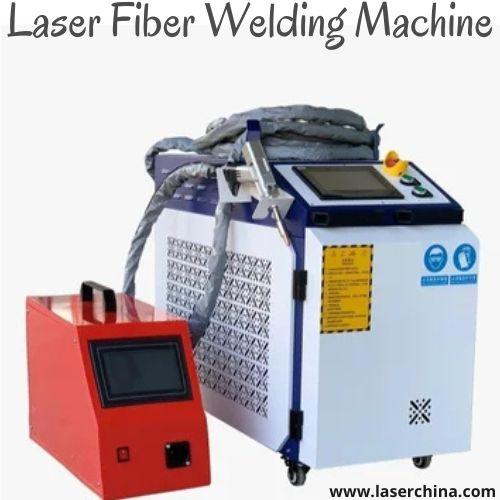
Laser Fiber Welding Machine: Advanced Welding Solutions for Modern Industries

Modern manufacturing industries require welding technologies that deliver precision, speed, strength, and consistent results. A Laser Fiber Welding Machine is an advanced industrial solution designed to meet these requirements. Using concentrated fiber laser energy, this technology joins metal components with exceptional accuracy and efficiency. It has become an important choice for manufacturers working with stainless steel, carbon steel, aluminum, copper, and other metal materials.
LaserChina provides advanced laser technology solutions designed to support modern manufacturing requirements. With a focus on precision, productivity, and reliable performance, LaserChina helps businesses explore innovative welding solutions for different industrial applications.
What Is a Laser Fiber Welding Machine?
A Laser Fiber Welding Machine is an industrial welding system that uses a high-energy fiber laser beam to melt and join metal surfaces. The laser generates a concentrated energy source that creates a strong, precise weld along the selected welding area.
Unlike conventional welding processes that rely on broader heat sources, fiber laser welding delivers energy to a focused point. This allows operators to achieve accurate welding results while maintaining excellent control over the welding process.
The machine generally consists of a fiber laser source, welding head, control system, cooling system, optical components, and supporting equipment. Depending on the configuration, manufacturers can use handheld or automated welding systems to complete different production tasks.
How Does Fiber Laser Welding Technology Work?
Fiber laser welding works by directing a concentrated laser beam toward the surface of the metal components. The laser energy heats the material until it reaches the melting point. The molten metal then forms a welding pool that connects the materials as it cools and solidifies.
The welding head guides the laser beam along the required welding path. Operators can adjust important parameters such as laser power, welding speed, and other process settings according to material thickness and application requirements.
Modern Laser Fiber Welding Machine systems also incorporate advanced control technologies that help maintain consistent welding performance. These features make the process suitable for manufacturers seeking accuracy and repeatability in their daily production operations.
Major Advantages of a Laser Fiber Welding Machine
1. High-Precision Welding Performance
Precision is one of the most important advantages of fiber laser welding. The concentrated laser beam allows manufacturers to create accurate welds, even when working with detailed metal components.
This capability is especially useful for industries that manufacture electronic enclosures, metal furniture, automotive components, and precision equipment. With controlled energy delivery, businesses can achieve clean welding results and maintain consistent product quality.
2. Fast Welding Speed
Production efficiency plays an important role in industrial manufacturing. A Laser Fiber Welding Machine supports high-speed welding operations, helping businesses complete projects within shorter production cycles.
Its focused energy delivery allows operators to work efficiently across different metal joints and component designs. Faster welding operations can improve production capacity and help manufacturers manage larger orders.
3. Strong and Reliable Weld Quality
Weld strength is essential for manufacturing products that must maintain structural integrity. Fiber laser welding creates concentrated weld joints with excellent penetration when the machine is properly configured.
Manufacturers can use this technology to join metal components for industrial equipment, automotive parts, machinery housings, and various fabricated products. Consistent welding quality also supports better production standards.
4. Reduced Heat-Affected Areas
Another significant benefit is controlled heat input. Because the laser beam focuses energy on a relatively small area, surrounding material experiences less unnecessary heating under suitable operating conditions.
This characteristic helps maintain the original shape and appearance of metal components. It is particularly valuable when welding thin sheets, delicate metal structures, and precision-engineered products.
5. Easy Operation and Flexible Applications
Modern laser welding systems feature user-friendly control interfaces and practical operating configurations. Handheld welding machines, for example, provide flexibility when working with different component shapes and welding positions.
Operators can use suitable welding parameters for different materials and production requirements. This versatility makes fiber laser welding an attractive solution for both specialized workshops and larger manufacturing facilities.
Key Features of LaserChina Laser Fiber Welding Machines
1. Advanced Fiber Laser Source
The fiber laser source is the heart of the welding system. It generates a stable laser beam that supports accurate and consistent welding operations. A high-quality laser source helps manufacturers achieve reliable performance across different production applications.
2. Intelligent Control System
Modern welding equipment incorporates intelligent control interfaces that allow operators to manage welding parameters conveniently. These controls help users select suitable settings according to material type, thickness, and welding requirements.
3. Handheld and Automated Welding Options
Different manufacturing environments require different welding configurations. Handheld laser welding machines offer flexibility for workshops, maintenance operations, and customized fabrication projects. Automated and robotic welding systems are suitable for repetitive production processes that require consistent positioning and speed.
LaserChina also provides collaborative robot welding solutions that combine handheld and robotic operation in one system, supporting different production volumes and manufacturing requirements.
4. Multi-Function Welding Technology
Some modern handheld systems offer additional functions, including laser cleaning, cutting, and post-welding cleaning. These optional capabilities provide manufacturers with greater flexibility when handling different metalworking operations.
Industrial Applications of Laser Fiber Welding Machine
Automotive Manufacturing
The automotive industry requires accurate and durable metal joints for vehicle components. A Laser Fiber Welding Machine can be used to weld automotive body parts, stainless steel components, battery housings, and other metal structures.
Its precision and speed support efficient manufacturing while helping maintain consistent product quality.
Metal Fabrication Industry
Metal fabrication companies work with different materials, shapes, and thicknesses. Fiber laser welding provides a flexible solution for joining stainless steel sheets, aluminum components, carbon steel structures, and customized metal products.
It is suitable for manufacturing metal cabinets, equipment housings, frames, kitchen products, and industrial enclosures.
Electronics Manufacturing
Electronic products often contain small and delicate metal components that require accurate joining. Fiber laser welding provides controlled energy delivery, making it suitable for connectors, electronic housings, battery components, and precision assemblies.
Medical Equipment Production
Medical equipment manufacturing requires precision and consistent production standards. Laser welding technology supports the production of stainless steel instruments, specialized metal components, and other precision-engineered equipment.
Jewelry and Decorative Products
Jewelry manufacturers can benefit from the precision of laser welding when working with small metal components and detailed designs. The technology supports accurate joining while helping preserve the appearance of surrounding surfaces.
How to Choose the Right Laser Fiber Welding Machine
Selecting the appropriate machine is important for achieving the desired production results. Before purchasing a Laser Fiber Welding Machine, manufacturers should consider several important factors.
-
Laser Power: Select suitable laser power according to the materials and thicknesses you regularly process.
-
Material Compatibility: Confirm that the machine supports your required metals, including stainless steel, aluminum, copper, and carbon steel.
-
Welding Speed: Consider your production targets and the speed required for daily operations.
-
Machine Configuration: Choose between handheld, automatic, and robotic systems according to your manufacturing environment.
-
Control Features: Look for convenient parameter adjustment and user-friendly operating software.
-
Technical Support: Choose a manufacturer that provides dependable technical assistance, customization options, and after-sales services.
These considerations help businesses select equipment that matches their production goals and supports long-term manufacturing development.
Why Choose LaserChina for Laser Welding Solutions?
LaserChina is a China-based laser technology manufacturer with more than 20 years of industry experience. The company develops and supplies laser machines, components, customized solutions, and repair services for customers across international markets.
Its experience in laser welding, cutting, cleaning, and marking technology supports a broad range of industrial requirements. LaserChina serves more than 2,000 customers in over 70 countries, demonstrating its international presence in the laser equipment industry.
The company focuses on several important areas:
-
Advanced Technology: Laser equipment designed to support modern manufacturing applications.
-
Product Variety: Different welding machine configurations for specialized and general industrial requirements.
-
Customization: Mechanical, optical, electrical, and software customization options.
-
Customer Support: Technical assistance and repair services for customers.
-
Industry Experience: More than two decades of experience in developing laser technology solutions.
By focusing on product quality, innovation, and customer requirements, LaserChina aims to help manufacturers improve their production capabilities and achieve consistent welding results.
Benefits of Investing in Modern Fiber Laser Welding Technology
Investing in a modern fiber laser welding system can create valuable opportunities for manufacturing businesses. Its high-speed performance helps improve production output, while precision welding supports better product finishing.
The technology also helps reduce unnecessary material heating and supports efficient use of production resources. Businesses can integrate handheld or automated welding systems according to their operational requirements.
For companies looking to expand their metal fabrication capabilities, fiber laser welding provides an effective way to modernize production processes and meet increasing customer expectations.
Final Thoughts
A Laser Fiber Welding Machine is an excellent solution for manufacturers seeking precision, productivity, versatility, and consistent welding quality. From automotive production and metal fabrication to electronics, medical equipment, and jewelry manufacturing, this technology supports a wide variety of industrial applications.
With advanced fiber laser technology, flexible machine configurations, and intelligent operating systems, businesses can improve their welding processes and develop more efficient manufacturing operations.
LaserChina offers laser welding solutions backed by more than 20 years of industry experience, international customer service, and a commitment to technological development. For manufacturers planning to upgrade their welding capabilities, LaserChina is a valuable brand to consider when exploring modern fiber laser welding equipment.
Choosing the right Laser Fiber Welding Machine can help businesses achieve better production efficiency, improve welding precision, and build a strong foundation for future industrial growth.


