

Healthy vision is essential for everyday activities, from reading and driving to working on digital devices and enjoying life with family. Choosing the Best Eye Hospital in Lahore can help patients receive professional eye examinations, accurate diagnoses, modern treatments, and appropriate guidance for maintaining long-term eye health. With advancements in ophthalmology, eye hospitals now provide a wide range of services for people experiencing vision problems, eye injuries, infections, and age-related conditions.
In 2027, patients searching for the Best Eye Hospital in Lahore are increasingly interested in comprehensive eye care under one roof. They want access to experienced eye specialists, modern diagnostic equipment, personalized treatment plans, and reliable follow-up services. Understanding what services a professional eye hospital offers can help patients make informed decisions and find suitable care for their individual vision needs.
Comprehensive Eye Examination Services
A comprehensive eye examination is one of the most important services offered by a professional eye hospital. Regular examinations help identify vision changes, evaluate eye health, and detect certain conditions before they become more serious. An eye examination is not limited to checking whether someone needs glasses. It also involves assessing different structures of the eyes and identifying potential abnormalities.
Vision Testing and Prescription Assessment
Eye hospitals provide detailed vision assessments to determine whether a patient has refractive errors such as nearsightedness, farsightedness, or astigmatism. These conditions can affect the clarity of vision at different distances and may cause headaches, eye strain, or difficulty concentrating.
During an examination, an optometrist evaluates visual acuity and determines whether corrective lenses are required. Patients can receive updated prescriptions for spectacles or contact lenses according to their visual needs, lifestyle, and eye condition.
Eye Health Evaluation
A comprehensive examination may include checking eye pressure, examining the retina, evaluating the optic nerve, and assessing the cornea and other structures. These tests help identify possible signs of glaucoma, cataracts, retinal abnormalities, and other eye diseases.
Early diagnosis allows patients to discuss appropriate treatment options before certain conditions significantly affect their vision.
Advanced Laser Eye Surgery Services
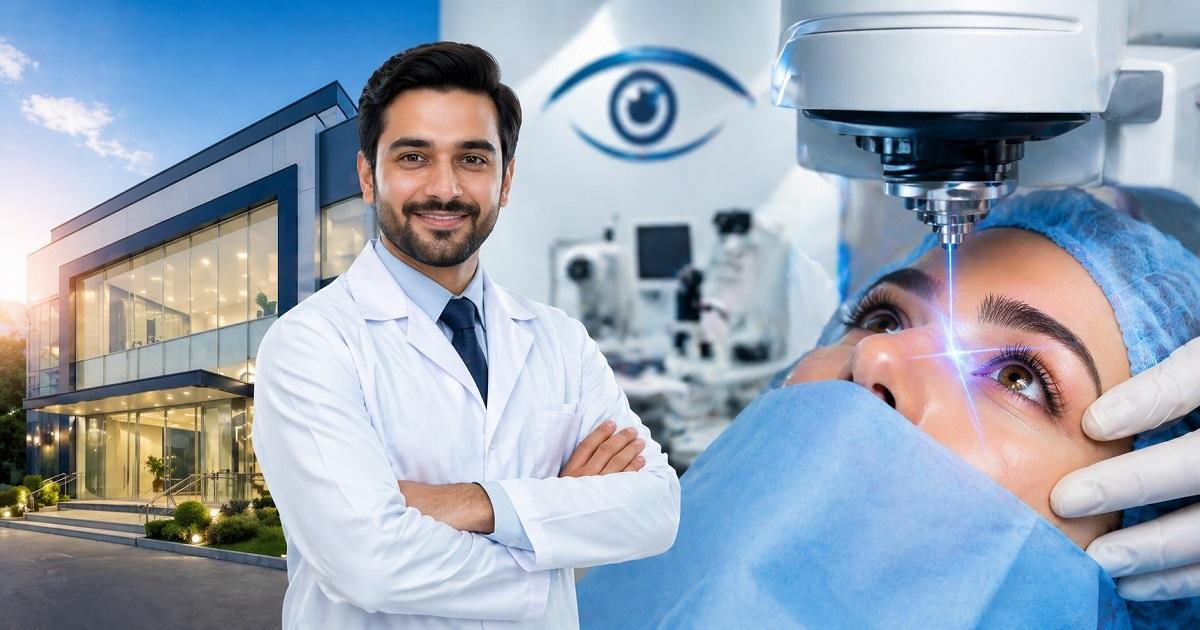
Laser vision correction is an important service available at modern ophthalmology facilities. Patients who depend on glasses or contact lenses may explore surgical options after undergoing a detailed assessment of their eye health and suitability.
LASIK Vision Correction
LASIK is commonly performed to correct refractive errors, including myopia, hyperopia, and astigmatism. The procedure reshapes the cornea to improve how light focuses on the retina, helping eligible patients achieve clearer vision.
Before LASIK, doctors evaluate corneal thickness, eye measurements, prescription stability, tear quality, and overall eye health. These examinations help determine whether the procedure is appropriate for the patient.
A professional hospital explains the potential benefits, limitations, risks, recovery expectations, and aftercare requirements so patients can make informed decisions.
Femto LASIK and Modern Techniques
Modern laser technology has introduced different approaches to vision correction. Femto LASIK uses femtosecond laser technology to create a corneal flap, while other procedures may be suitable for patients with different corneal characteristics.
Not every patient is eligible for the same procedure. A qualified ophthalmologist recommends treatment based on detailed diagnostic findings instead of offering a single surgical option to everyone.
Refractive Surgery Consultation
A refractive surgery consultation allows patients to understand their options before making a decision. It may include detailed corneal mapping, measurements of refractive errors, tear film evaluation, and discussion of lifestyle requirements.
Patients should receive realistic information about expected outcomes, possible side effects, and whether glasses may still be required for certain activities or as vision changes with age.
Cataract Diagnosis and Treatment
Cataracts are a common cause of blurred vision, especially among older adults. They develop when the natural lens of the eye becomes cloudy, affecting the passage of light and reducing visual clarity.
Cataract Assessment
Eye hospitals offer cataract evaluations to determine the severity of lens opacity and its effect on daily activities. Patients may experience cloudy vision, glare, difficulty seeing at night, faded colors, or frequent changes in their glasses prescription.
An ophthalmologist examines the lens and evaluates the overall condition of the eye before recommending treatment.
Modern Cataract Surgery
Cataract surgery involves removing the cloudy natural lens and replacing it with an artificial intraocular lens. Modern surgical techniques are designed to restore visual clarity while minimizing disruption to surrounding eye structures.
The choice of artificial lens depends on the patient's eye measurements, visual requirements, medical history, and preferences. Hospitals may offer different lens options, and the surgeon explains which choices are suitable.
Postoperative examinations are essential for monitoring healing and identifying complications early.
Retina and Vitreous Treatment Services
The retina is a light-sensitive tissue located at the back of the eye. Retinal diseases can affect central vision, peripheral vision, or the ability to see clearly in different lighting conditions. Some retinal conditions require prompt medical evaluation.
Retinal Disease Diagnosis
Eye hospitals may provide diagnostic and treatment services for diabetic retinopathy, retinal tears, retinal detachment, macular degeneration, and other retinal disorders.
Specialized examinations can involve retinal imaging, optical coherence tomography, and dilated fundus examination. These investigations help doctors assess retinal structures and identify changes that may require treatment.
Diabetic Eye Care
People living with diabetes need regular eye examinations because elevated blood sugar can damage retinal blood vessels. Diabetic retinopathy may develop without noticeable symptoms during its early stages.
A hospital providing diabetic eye care helps patients monitor retinal health, understand their risk factors, and receive timely treatment when abnormalities are detected. Coordinated care with physicians managing diabetes can also support better overall health outcomes.
Retinal Procedures and Follow-Up
Depending on the condition, treatment may involve injections, laser therapy, or retinal surgery. The appropriate approach depends on the diagnosis, disease severity, and visual needs of the patient.
Regular follow-up visits help specialists monitor treatment response and manage ongoing retinal conditions.
Cornea and Eye Surface Services
The cornea is the transparent front surface of the eye that helps focus light. Corneal conditions can affect vision quality, cause discomfort, and increase sensitivity to light.
Corneal Infection and Injury Management
Eye hospitals treat corneal infections, abrasions, inflammation, and other surface-related problems. Patients experiencing redness, pain, excessive watering, blurred vision, or sensitivity to light may require professional evaluation.
Prompt assessment is particularly important when symptoms develop suddenly or are associated with an injury.
Corneal Disorders
Specialists evaluate conditions such as keratoconus, corneal scarring, dry eye disease, and corneal irregularities. Diagnostic procedures may include corneal topography and other imaging techniques to assess the shape, thickness, and condition of the cornea.
Depending on the diagnosis, treatment may involve medication, specialty contact lenses, corneal procedures, or surgery.
Corneal Transplant Services
For patients with significant corneal damage or disease, corneal transplantation may be considered. The procedure replaces damaged corneal tissue with donor tissue to improve the cornea's structure and, where possible, visual function.
Finding the Best Eye Hospital in Lahore in 2027 means choosing a facility that provides comprehensive eye examinations, advanced diagnostic technology, experienced ophthalmologists, and a wide range of medical and surgical services. From LASIK and cataract surgery to retina care, glaucoma management, pediatric eye treatment, corneal services, and emergency eye care, a professional hospital can address many different vision-related needs.
Regular eye examinations, timely diagnosis, and personalized treatment are essential for protecting eyesight and maintaining long-term eye health. Patients should evaluate the hospital's facilities, specialist expertise, treatment approach, and follow-up care before making a decision. With the right medical guidance, individuals can take proactive steps toward clearer vision and healthier eyes.
Frequently Asked Questions
1. What services does the best eye hospital in Lahore provide?
A comprehensive eye hospital provides eye examinations, LASIK, cataract surgery, retina treatment, glaucoma management, pediatric eye care, corneal treatment, and emergency eye services.
2. When should I visit an eye hospital?
You should visit an eye hospital for blurred vision, persistent redness, eye pain, headaches associated with vision, difficulty seeing at night, or sudden changes in eyesight.
3. Does an eye hospital offer LASIK surgery?
Yes, many specialized eye hospitals offer LASIK and other laser vision correction procedures after assessing the patient's eye health and eligibility.
4. Can children receive eye treatment at an eye hospital?
Yes, eye hospitals provide children's eye examinations, vision correction, squint assessment, lazy eye management, and treatment for childhood eye conditions.
5. How often should I have an eye examination?
The frequency depends on your age, vision, medical history, and risk factors. Healthy adults should follow their eye specialist's recommendations, while patients with existing eye conditions may need more frequent examinations.


