

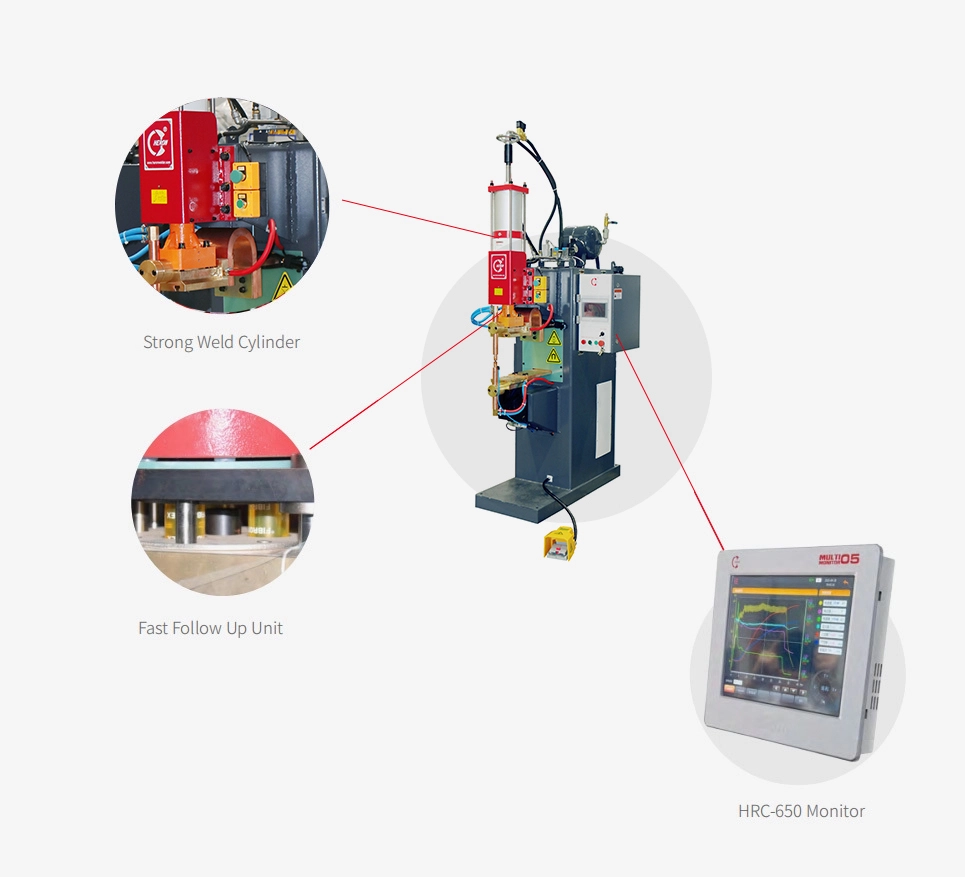

A spot welding machine is an essential piece of equipment in modern manufacturing, designed to join metal sheets and components through electrical resistance and controlled pressure. This technology is widely used across industries that require strong, precise, and consistent metal connections. From automotive production to home appliances, electrical components, and industrial hardware, spot welding plays an important role in improving manufacturing efficiency and product quality.
As manufacturing requirements continue to evolve, businesses need advanced welding equipment that delivers reliable performance, consistent results, and improved production capabilities. Heron Welder provides professional resistance welding solutions designed to meet the needs of modern industrial applications. With extensive experience in metal joining technology, Heron focuses on developing innovative welding equipment and automation systems that help manufacturers achieve efficient production processes.
What Is a Spot Welding Machine?
A spot welding machine is a resistance welding system that joins two or more metal sheets at specific points. The process works by positioning metal components between two electrodes and applying controlled pressure. An electrical current then passes through the materials, generating heat through electrical resistance. This heat creates a molten area between the metal surfaces, forming a strong connection when the material cools.
One of the main reasons manufacturers choose spot welding is its ability to create reliable joints without requiring additional filler materials. The process is suitable for various metalworking applications and can be integrated into manual, semi-automatic, and fully automated production environments.
Heron Welder offers advanced resistance welding technologies, including medium-frequency direct current (MFDC) spot welding equipment, designed to support different industrial joining requirements.
Major Applications of Spot Welding Machines
The versatility of a spot welding machine makes it valuable across numerous manufacturing sectors. Its ability to join metal components efficiently supports both high-volume production and specialized industrial operations.
Automotive Manufacturing: Automotive manufacturers use spot welding to join body panels, structural components, brackets, and other metal parts. Accurate welding helps maintain product consistency and supports the production of durable vehicle structures.
Home Appliance Manufacturing: Washing machines, refrigerators, ovens, dishwashers, and air conditioners contain multiple metal components that require dependable joining. Spot welding provides an efficient solution for assembling these products.
Electrical and Electronics Industry: Electrical enclosures, circuit breaker components, terminals, and other metal parts benefit from precise resistance welding processes. Controlled welding parameters help manufacturers maintain consistent production quality.
Hardware Manufacturing: Metal furniture components, toolboxes, water pumps, and other industrial hardware products frequently require reliable metal connections. Spot welding supports efficient assembly and repeatable results.
HVAC and Compressor Manufacturing: Compressor shells, metal housings, and related components require specialized joining processes. Advanced resistance welding equipment helps manufacturers achieve reliable connections for demanding production applications.
Advantages of Using a Modern Spot Welding Machine
Investing in modern spot welding technology offers several advantages for manufacturers seeking to improve production performance and maintain consistent product quality.
1. High Production Efficiency
Spot welding is a fast and practical joining process. It allows manufacturers to complete multiple welding operations efficiently, making it suitable for production environments where speed and productivity are important. Automated welding systems can further improve manufacturing output by maintaining consistent operation throughout production cycles.
2. Strong and Reliable Metal Joints
A properly configured spot welding machine creates dependable connections between metal surfaces. The combination of electrical current, electrode pressure, and controlled welding time helps produce joints suitable for many industrial applications.
3. Consistent Welding Quality
Modern welding equipment provides greater control over important welding parameters. Consistent current, pressure, and welding time help manufacturers achieve repeatable results across multiple components and production batches.
4. Reduced Material Consumption
Spot welding generally does not require filler metals, flux, or additional joining materials. This makes the process an attractive option for manufacturers looking to streamline material usage and improve production cost efficiency.
5. Automation Compatibility
Advanced spot welding machines can be integrated into robotic welding cells and automated production lines. Automation helps manufacturers improve positioning accuracy, maintain repeatable welding cycles, and support large-scale production requirements.
6. Versatile Industrial Applications
Spot welding technology can be used with different conductive metals, including stainless steel, galvanized steel, low-carbon steel, aluminum alloys, and other materials when suitable welding parameters are selected.
Why Choose Heron Welder for Spot Welding Solutions?
Heron Welder is dedicated to providing innovative metal joining equipment for manufacturers across different industries. With more than three decades of experience in welding technology, the company has developed expertise in resistance welding, welding automation, clinching, and riveting solutions.
Heron offers different types of resistance welding equipment, including MFDC spot welders, AC welders, and specialized industrial welding systems. These solutions are designed to support manufacturers with different production requirements.
A major advantage of Heron's equipment is its focus on modern welding technology. Its MFDC welding systems provide precise control over welding processes and are suitable for applications involving materials such as aluminum alloys, high-strength steel, and other industrial metals.
Heron also understands that different factories have different production requirements. Its engineering capabilities support customized welding equipment and automated production solutions, helping manufacturers select equipment according to their components, materials, production volumes, and manufacturing processes.
Benefits of Heron MFDC Spot Welding Technology
Medium-frequency direct current technology is an important development in industrial resistance welding. It provides manufacturers with improved control over the welding process and supports applications that demand precise and repeatable results.
Heron MFDC welding systems feature advanced controllers and transformers designed for industrial performance. Their modular design supports flexible equipment configurations and practical integration into different manufacturing environments.
Precise Welding Control: MFDC technology allows manufacturers to control important welding parameters, helping achieve consistent joining results.
Suitable for Advanced Materials: The technology supports welding applications involving aluminum alloys, high-strength steel, stainless steel, galvanized steel, and other conductive materials.
Flexible Production Integration: MFDC equipment can be incorporated into different manufacturing systems, including customized machines and automated production lines.
Improved Energy Management: Modern MFDC systems provide efficient control of welding energy, supporting optimized resource utilization in industrial production.
Industrial Reliability: Advanced controllers and transformer technology help support stable operation across demanding manufacturing applications.
How to Select the Right Spot Welding Machine
Choosing the right equipment is an important step toward achieving successful manufacturing results. Businesses should consider several factors before selecting a spot welding system.
First, identify the materials that need to be joined. Different metals and material thicknesses require appropriate welding current, electrode pressure, and welding time.
Second, evaluate production requirements. A small manufacturing workshop may require a manual welding system, while a large automotive factory may benefit from robotic welding equipment or a customized automated production line.
Third, consider the required welding capacity and machine configuration. Factors such as transformer power, maximum welding current, electrode design, and working space can influence equipment selection.
Finally, work with an experienced equipment manufacturer that understands industrial joining processes. Heron Welder provides a range of resistance welding solutions to help manufacturers identify equipment suitable for their specific applications.
The Future of Industrial Spot Welding
Manufacturing industries are increasingly adopting intelligent automation, advanced welding controls, and integrated production technologies. These developments are making spot welding an even more valuable process for companies seeking higher productivity and consistent manufacturing standards.
Robotic welding systems, intelligent monitoring, and customized production lines are helping factories improve operational efficiency. Modern welding equipment also supports the growing demand for joining advanced materials used in automotive, electrical, and appliance manufacturing.
Heron Welder continues to focus on welding technology development and industrial automation, providing equipment designed to support the changing requirements of global manufacturers.
Final Thoughts: Invest in Quality Spot Welding Technology with Heron Welder
A spot welding machine is an important investment for manufacturers looking to improve metal joining efficiency, product consistency, and production capabilities. Its ability to create strong metal connections through a controlled resistance welding process makes it suitable for automotive, electronics, home appliances, HVAC, and hardware manufacturing.
Choosing advanced welding equipment can help businesses improve productivity, optimize material usage, and establish dependable manufacturing processes. With its extensive experience in resistance welding, MFDC technology, and industrial automation, Heron Welder offers professional solutions for a wide range of metal joining requirements.
For manufacturers seeking reliable welding technology and customized industrial equipment, Heron Welder represents a valuable partner in modern manufacturing. By combining engineering expertise with innovative welding solutions, Heron helps businesses move toward more efficient, precise, and productive metal joining operations.


