

Introduction
Walk through any busy street or scroll through social media for ten minutes, and you'll spot a hoodie that stops you for a second. For me, the broken planet hoodie was one of those. I couldn't say exactly why at first. It wasn't only the print or the cut. It was a feeling that the piece belonged to a bigger conversation about clothing, identity and community. This article explores what I've noticed about that appeal, from the design choices to the way streetwear culture shapes what we wear and why we care.
How Streetwear Turned the Hoodie Into a Statement
The hoodie began as practical workwear, built to keep people warm in cold factories and warehouses. Over time, skate culture, hip-hop and sportswear brands adopted it and gave it new meaning. It became a way of saying that you didn't need a suit to be taken seriously. Today, a hoodie can carry as much style as a tailored jacket. The broken planet hoodie fits into that history by taking a humble garment and treating it as a canvas. That shift, from utility to expression, explains why people pay attention to what's printed on it.
What Makes a Broken Planet Hoodie Recognizable?
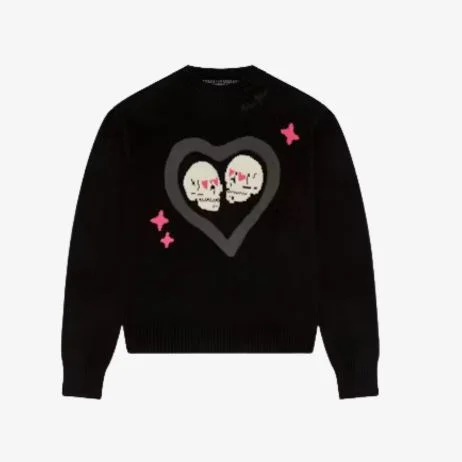
A broken planet hoodie is recognizable by its heavy cotton feel, relaxed oversized cut and bold graphic details that often use raised or textured print. The brand's visual identity leans on striking artwork and a consistent aesthetic across releases. Colors, logo placement and print style vary by collection, so features change over time. To confirm what a specific piece looks like, compare it with photos on the brand's official website rather than relying on memory or social media posts.
I notice that recognition often comes from small, repeated choices. A brand that uses the same type of graphic or the same placement over several drops trains your eye. Think of how you can spot a favorite band's artwork from across a record shop. The same thing happens here: the combination of shape, texture and imagery becomes a signature. That consistency is useful for the brand, because it builds trust, and for the wearer, because it signals that you've chosen a piece with a clear point of view.
The Role of Limited Drops and Scarcity
Streetwear thrives on scarcity. Limited releases create urgency, because buyers know a piece might vanish within hours. I've felt that pull myself, refreshing a page while a countdown ticked down. It's exciting, but it can also push people into hasty decisions. Scarcity makes a hoodie feel special, almost like a ticket to an event that's already ended. The trade-off is frustration for those who miss out. I try to treat drops as opportunities rather than obligations, and I remind myself that clothing should add pleasure to my life, not anxiety.
Why Waiting Lists and Restocks Matter
Restocks balance the hype. When a brand brings back a popular design, it gives people a second chance without removing the thrill of the first release. Waiting lists and email alerts help, because they tell you when to pay attention. I sign up for these, and I check the official store regularly. It beats chasing unreliable resale listings. Knowing that restocks sometimes happen also eases the temptation to buy from questionable sellers at inflated prices. A calm approach keeps your money safe and lets you buy on your own schedule.
Social Media and the Spread of the Look
Social media changed how streetwear travels. A single photo of someone wearing a striking hoodie can reach thousands of people in a day. Creators show outfit ideas, unboxings and fit checks, and followers copy what they like. I've discovered brands this way, and I've also caught myself wanting things because everyone else seemed to. That's something to watch. I ask myself whether I'd want the hoodie if nobody saw me wearing it. If the answer is yes, I trust the impulse. If not, I wait a week and see whether the feeling fades.
Does Wearing a Broken Planet Hoodie Say Something About You?
Wearing a broken planet hoodie signals an interest in streetwear and contemporary fashion, but it doesn't define your personality or beliefs on its own. Clothing communicates taste, not character. Different people wear the same hoodie for different reasons, including comfort, style, community or simple preference. Observers may draw their own conclusions, which often reveal more about their assumptions than your intentions. What matters most is that you feel comfortable and wear it because you genuinely like it.
I've seen this play out in real life. A quiet coworker of mine wears one on weekends, and it surprised me because I'd assumed he preferred plain clothing. It turned out he loves graphic design and picked the hoodie for its artwork. That conversation reminded me how little a garment tells you about the person inside it. It can start a chat, though, and I think that's valuable. Clothes work like a handshake: a quick, friendly introduction that leaves the real story to you.
Community, Belonging and Shared Taste
Fashion has always been tied to belonging. A hoodie can connect you with people who share your taste, whether at a skate park, a concert or an online forum. I've struck up conversations with strangers just because we both noticed each other's clothes. That sense of recognition is small but warm. It's worth remembering, though, that belonging shouldn't depend on owning the right brand. The best communities welcome people for their interests and kindness. The hoodie is a conversation starter, and what happens next is up to you and the people you meet.
Design Details That Make the Difference
Good design lives in details most people only notice after a closer look. Thickness of fabric, the way a hood holds its shape, the stitch quality at the cuff and the finish of the print all contribute to the overall impression. I like to examine a hoodie the way a chef tastes a sauce, slowly and with attention. When those details work together, the garment feels cohesive. When they don't, even a great graphic can't save it. That's why I recommend touching and trying things on whenever possible, rather than judging a hoodie by its product photo.
Sustainability and the Longer View
Fashion's environmental impact is a real concern, and a hoodie bought and discarded within months doesn't help. I try to think about longevity: buying fewer, better pieces, caring for them properly and passing them on when I'm done. Secondhand resale and swapping with friends can give clothing a second life. If you're drawn to streetwear, consider how long you'll wear a piece before you buy it. Choosing quality over quantity isn't a perfect solution, but it's a practical step toward a wardrobe that does less harm and feels more thoughtful.
Trends Come and Go, Taste Stays
Streetwear trends move quickly, and what feels fresh today may feel dated in a year. The hoodie itself, though, has stayed relevant for decades, which suggests it will outlast most trends. I try to build outfits around pieces I genuinely like, rather than chasing what's popular this month. That approach has saved me money and given me a wardrobe I recognize as mine. If you enjoy your broken planet hoodie, wear it proudly, and don't worry about whether it's still in fashion tomorrow. Confidence outlasts every trend.
What the Hoodie Tells Us About Clothing Today
The popularity of the broken planet hoodie shows how much people value comfort, self-expression and community in what they wear. It sits at the intersection of practicality and style, offering warmth as well as personality. Whether you're a longtime streetwear fan or someone curious about the culture, there's something to appreciate in how a simple garment can carry so much meaning. I hope this look behind the appeal helps you think about your own wardrobe. Choose what you love, wear it well and enjoy the small pleasure of a piece that feels like you.


