


Solar Panel Stamping: The Step Most Projects Overlook
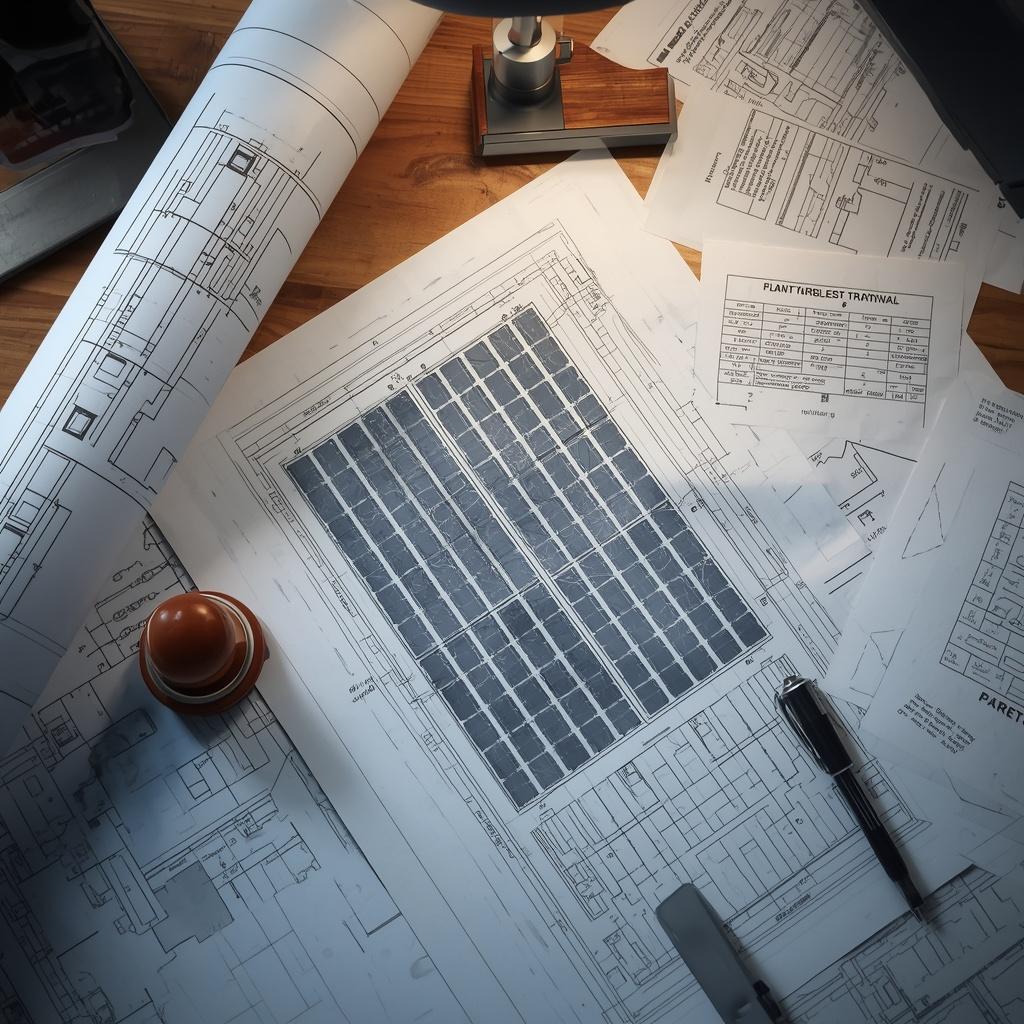
Solar panel stamping rarely gets the attention it deserves, yet it sits at the center of whether a permitting office approves your project on the first try or sends it back for revisions. Homeowners and installers tend to focus their energy on choosing the right equipment and negotiating pricing, while the engineering sign-off required for approval quietly becomes an afterthought. That's a mistake, because without proper solar panel stamping, most jurisdictions won't even begin reviewing your submission. This is exactly the gap a company like PTOEdge was built to close, connecting installers with licensed engineers who understand what local permitting offices actually expect to see.
Because permitting requirements shift constantly from one region to another, getting stamped documentation right the first time saves weeks of avoidable back-and-forth. Consequently, this guide breaks down what solar panel stamping involves, why plan set accuracy matters so much, and how proper documentation carries a project all the way through to final utility activation.
What Solar Panel Stamping Actually Verifies
A stamp from a licensed engineer isn't just a formality tacked onto the end of a design package; it's a legal confirmation that the structural and electrical plans meet the safety standards required in that specific jurisdiction. Since permitting offices rely on this stamp as proof that someone qualified has reviewed the load calculations, roof attachment points, and wiring layout, an unstamped submission is often rejected before anyone even reads the details.
Furthermore, because different states license engineers separately, a stamp issued in one state typically won't satisfy requirements in another. This means installers working across multiple regions need access to engineers licensed in each relevant jurisdiction, rather than relying on a single generalized document. PTOEdge's PE stamp service connects installers with engineers who hold active licenses in the states where projects are actually being built, which keeps submissions compliant no matter where the work happens.
Why Every Jurisdiction Handles Approval Differently
One of the most frustrating realities for installers expanding into new markets is discovering that permitting requirements simply don't transfer from one city to the next. A design that clears review easily in one county might get bounced back in a neighboring one because of stricter fire setback rules or different structural load thresholds. As a result, teams that apply the same template everywhere often run into unexpected delays.
Additionally, some permitting offices require particular formatting or supplemental documentation that others don't ask for at all. This inconsistency is precisely why localized expertise matters so much during the review process. For installers working in dense, competitive metros, solar permit services san diego style knowledge, meaning a granular understanding of a specific region's permitting office and its quirks, often determines whether an application clears in days or drags on for weeks. PTOEdge's permitting team tracks these jurisdiction-specific patterns so submissions are shaped around what each office actually expects.
Solar Panel Stamping and the Plan Set It Supports
A stamp doesn't exist in isolation; it's applied to a complete design package that permitting reviewers use to understand exactly how a system will be built. This is why solar plan sets and solar panel stamping function as two halves of the same requirement rather than separate steps. Without clear, accurate pv plan sets, even a properly stamped document can raise questions during review, since reviewers cross-check the stamp against the technical details it's supposed to validate.
PTOEdge's solar plan sets service focuses on producing designs that are both technically sound and formatted the way local offices expect, reducing the odds that a stamped package still gets flagged for clarification. When the plan set and the stamp align cleanly, reviewers move through the application far more quickly.
From Sales Proposal to Stamped Documentation
Before permitting work even begins, most projects start with a solar sales proposal that outlines system size, projected savings, and equipment specifications for the homeowner. However, problems arise when the proposal doesn't accurately reflect what will eventually be submitted for permitting and stamping. Mismatches between the sold system and the permitted one often trigger delays that could have been avoided with better coordination upfront.
For installers focused on Solar Installer Growth, keeping the sales and permitting stages tightly aligned creates a smoother experience for the homeowner from the first conversation through final activation. PTOEdge's sales proposal tools are designed to keep these stages consistent, so what gets promised in the solar sales proposal matches what actually goes out for solar panel stamping and permitting review.
Permit Design and AHJ Compliance Shape Every Submission
Every Authority Having Jurisdiction, or AHJ, maintains its own standards for what a solar submission must include before it's accepted. This is why Permit Design & AHJ Compliance has become such a central part of the permitting conversation, particularly for installers expanding into unfamiliar territories. A design that's technically sound from an engineering standpoint can still be rejected if it doesn't follow the specific formatting or code requirements a local AHJ enforces.
Because AHJ rules can cover everything from fire setback distances to labeling standards on electrical equipment, teams benefit from working with a partner who tracks these details across many jurisdictions at once. PTOEdge's Permit Design & AHJ Compliance service focuses on exactly this kind of jurisdiction-specific work, and it pairs directly with the broader solar permit service offerings installers rely on for full project coverage.
Why Stamped Plans Still Need PTO Approval Afterward
Even a flawlessly stamped and permitted design doesn't mean a system is ready to generate power. After installation passes inspection, the utility still needs to approve interconnection paperwork before authorizing activation, an approval commonly known as pto solar. This final stage, handled through dedicated pto services, is often misunderstood because homeowners assume inspection completion automatically means their system is live.
In practice, your installer or a permitting partner submits interconnection agreements and updated as-built drawings, referencing the same stamped documentation used earlier in the process. Handling this properly through permission to operate services prevents the frustrating scenario where a fully built and inspected system sits idle simply because utility paperwork hasn't caught up. PTOEdge's permission to operate team manages this final stretch, and every PTO application they file is tracked until the utility confirms the system can be turned on.
Net Metering Ties Back to Accurate Documentation
Once a system clears inspection and paperwork, another important factor determines long-term value: how excess energy production gets credited back to the homeowner. This is where solar net metering comes into play, since it dictates how surplus electricity is compensated. If you're new to how this works, PTOEdge's guide on what net metering means for solar energy explains the mechanics clearly.
Additionally, because solar panels net metering policies vary by state and even by individual utility, understanding your local program before installation helps homeowners set realistic savings expectations. Some utilities offer full retail credit for excess generation, while others apply tiered or time-based structures. As a result, accurate documentation matters just as much at this stage as it did during the original solar panel stamping submission.
Battery Backup Introduces Its Own Permitting Layer
As more homeowners pair battery storage with their solar arrays, permitting requirements have grown noticeably more complex. Battery energy storage permitting typically involves additional fire code considerations and placement restrictions separate from the solar array itself, since these systems store rather than simply generate energy. Many jurisdictions treat storage as its own permitting category with a distinct inspection checklist.
If you're planning to add storage, PTOEdge's breakdown on solar battery backup permits explains what documentation is typically required and how it differs from standard solar-only submissions. Skipping proper battery energy storage permitting can result in a failed inspection even when the solar portion of the system was approved without any issue.
HOA Restrictions Add a Layer Permitting Doesn't Cover
Beyond city and utility requirements, many homeowners face a separate approval process through their homeowners association. Even a technically flawless, properly stamped application can stall if local hoa solar panel guidelines haven't been addressed in advance. Some associations restrict panel placement to specific roof sections, while others enforce aesthetic rules around visible wiring or equipment.
Because these restrictions sit outside the standard permitting workflow, they're easy to miss until installation day. PTOEdge's guide covering HOA guidelines for solar panels walks through common association rules, and understanding them early can prevent a last-minute holdup after everything else has already been approved.
Ready to get your project stamped and permitted without the usual back-and-forth? Start a conversation with the PTOEdge team and see how proper documentation keeps your timeline predictable from day one.
What Homeowners Should Ask Before Hiring an Installer
Homeowners evaluating installers often focus entirely on price and panel brand, overlooking questions about how documentation and permitting will actually be handled. Asking directly whether solar panel stamping is included in the quoted price, or handled separately by a third party, can prevent surprise costs later in the process. Similarly, asking how long stamped plan sets typically take to prepare in your specific city gives a realistic sense of the overall project timeline.
It's also worth asking whether the installer has direct experience with your local AHJ, since prior familiarity with a specific permitting office often shortens review time considerably. Installers who can speak confidently about Permit Design & AHJ Compliance requirements in your area, rather than offering vague assurances, tend to be better prepared for whatever a reviewer might ask. Finally, homeowners should ask how the installer coordinates net metering paperwork and final permission to operate services with the utility, since this step is just as important as the physical installation itself.
Key Terms to Know Before You Submit
Before wrapping up, a few additional terms come up often once documentation moves through review. Your PTO application is the formal request filed with your utility once inspection is complete, and its accuracy determines how quickly activation follows. Meanwhile, general solar permit service providers manage everything from initial code review through final submission, acting as the bridge between installer and permitting office.
If you're still exploring the basics, PTOEdge's guide on whether you need a permit to install solar panels covers the fundamentals for homeowners approaching the process for the first time. For installers focused on pv plan sets accuracy alongside long-term Solar Installer Growth, pairing dependable solar plan sets design work with reliable pv permit services tends to produce the most predictable outcomes. Keeping the solar sales proposal, the engineering solar stamping service, and the final pto services all aligned from the start is what separates a fast activation from a stalled one.
Still have questions about what your project needs before submission? Get in touch with PTOEdge here and get clear answers before you file anything with your local permitting office.
Common Mistakes That Slow Down Stamped Submissions
Even with a licensed engineer's stamp in hand, plenty of applications still stumble because of avoidable errors elsewhere in the package. Missing revision dates, inconsistent equipment specifications between the plan set and the sales proposal, or outdated code references are among the most frequent culprits. Because reviewers cross-reference every page against the others, a single inconsistency can cast doubt on the entire submission, even when the stamp itself is perfectly valid.
Moreover, installers sometimes reuse an older stamped plan set for a new project without updating the site-specific details, assuming the general design still applies. This shortcut almost always backfires, since permitting offices expect documentation tailored to the exact address, roof configuration, and electrical service involved. Working with a team that treats every solar panel stamping request as its own project, rather than a copy-paste exercise, meaningfully reduces the odds of a rejection tied to overlooked details.
Another overlooked issue involves timing. Some homeowners assume that once their solar sales proposal is signed, the stamped documentation and permitting can happen instantly. In reality, engineering review takes time, particularly when a licensed professional needs to verify structural calculations against a specific roof's condition. Setting realistic expectations from the outset, and communicating clearly about how long stamping and permitting typically take in a given jurisdiction, prevents frustration later in the project.
How Installers Can Build a More Reliable Process
For installers managing multiple projects across different regions, building a repeatable process around stamping and permitting pays off significantly over time. Rather than treating each submission as a one-off task, successful teams standardize how they collect site information, request stamps, and track application status across jurisdictions. This reduces the chance that a detail gets missed simply because a different person handled the paperwork this time.
Additionally, maintaining a running record of which AHJs require particular documentation formats helps avoid repeating the same mistakes across future projects in that area. Since Permit Design & AHJ Compliance requirements rarely change overnight, a well-organized team can often predict exactly what a given office will ask for before the first submission even goes out. PTOEdge's permitting team maintains this kind of institutional knowledge across the regions it serves, which shortens the learning curve for installers entering unfamiliar markets.
Ultimately, the installers who scale most successfully treat documentation accuracy as a growth strategy rather than a compliance burden. Fewer rejected applications mean faster project turnaround, which translates directly into more capacity to take on new customers. Pairing consistent solar panel stamping practices with reliable plan set production supports that kind of sustainable Solar Installer Growth far better than rushing through paperwork ever could.
Frequently Asked Questions
What is solar panel stamping?
It's the process of having a licensed engineer certify that a system's structural and electrical design meets local safety and code requirements.
Why do permitting offices require stamped plans?
A stamp confirms that a qualified engineer has reviewed the load calculations and wiring layout, which most jurisdictions require before accepting a submission.
What does AHJ compliance mean for solar permitting?
It means the design and documentation follow the specific standards set by the local Authority Having Jurisdiction reviewing the application.
How does net metering affect solar savings?
Net metering determines how much credit a homeowner receives for excess electricity sent back to the grid, and policies vary by utility.
Does battery storage need separate permitting from solar panels?
Yes, battery energy storage generally involves additional fire code and placement requirements reviewed separately from the solar array itself.

 English
 Arabic
 French
 Spanish
 Portuguese
 Deutsch
 Turkish
 Dutch
Dutch
 Italiano
 Russian
 Portuguese (Brazil)
 Greek
Greek