
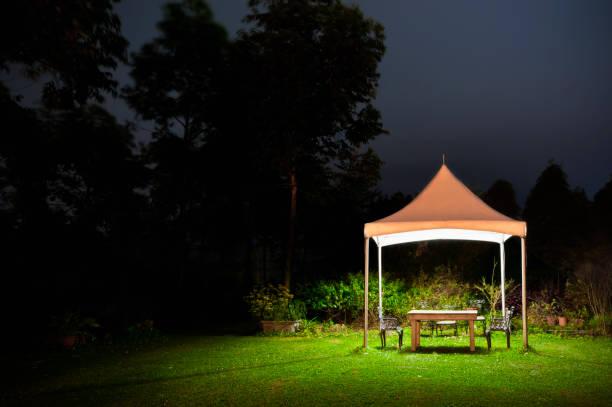
Event Canopy Tent: Features, Uses, and Benefits for Outdoor Events in the US

Outdoor events are an important part of business activities, community gatherings, trade exhibitions, sporting competitions, and social celebrations across the United States. Organizing these activities often requires temporary structures that provide shade, define event spaces, and offer protection from everyday outdoor conditions. An event canopy tent serves as a practical solution for creating covered spaces in different outdoor environments.
An event canopy tent typically features a collapsible frame and a fabric roof that can be assembled and dismantled as required. Depending on its size and design, it can accommodate vendor booths, registration counters, product displays, seating arrangements, and promotional activities.
From corporate exhibitions and farmers markets to festivals and sporting events, these structures support a wide range of temporary outdoor applications. Understanding their features, materials, customization options, and maintenance requirements helps event organizers select suitable configurations for their specific needs.
What Is an Event Canopy Tent?
An event canopy tent is a portable shelter designed to provide temporary coverage during outdoor activities. It generally consists of a supporting frame, a fabric canopy, and adjustable legs.
Most models use aluminum or steel frames combined with polyester or other synthetic fabrics. Their collapsible construction allows them to be transported, assembled, and stored without permanent installation.
Common event canopy tent sizes include 10x10 feet, 10x15 feet, and 10x20 feet. A standard 10x10-foot canopy provides approximately 100 square feet of covered space, making it suitable for smaller vendor booths and information stations.
Larger configurations can accommodate multiple display tables, seating arrangements, and event equipment.
Key Features of an Event Canopy Tent
1. Portable and Collapsible Frame
Portability is one of the most important features of an event canopy tent.
Most designs incorporate folding frames that expand during installation and collapse for transportation. This structure is particularly useful for event organizers and vendors who regularly participate in different outdoor activities.
Aluminum frames are generally lightweight and resistant to corrosion, while steel frames can provide substantial structural support depending on their construction.
The overall weight, folded dimensions, and assembly requirements vary according to the frame design.
2. Durable Canopy Fabric
The canopy fabric provides shade and helps protect the covered area from certain environmental conditions.
Polyester is commonly used because of its lightweight construction and suitability for outdoor applications. Some fabrics include additional treatments to improve UV resistance and water resistance.
The quality of the material, stitching, coating, and construction influences overall performance.
However, an event canopy tent should not automatically be considered suitable for severe weather, heavy rainfall, or strong winds unless specifically rated for those conditions.
3. Adjustable Height
Many event canopy tents feature adjustable supporting legs that allow the structure's height to be modified.
This feature provides flexibility for different event layouts, display arrangements, and clearance requirements.
Adjustable height can also help accommodate different activities, including product demonstrations, information counters, and visitor seating.
4. Custom Printing Options
Customized event canopy tents can feature logos, organization names, promotional messages, and event-related graphics.
Printing may be applied to the roof panels, valances, and optional sidewalls.
Common printing methods include dye sublimation and digital printing. The appropriate method depends on the fabric, graphic requirements, and desired visual appearance.
Customized graphics can help visitors identify participating organizations and distinguish individual event spaces.
5. Optional Sidewalls and Accessories
Some event canopy tent designs include optional accessories that improve functionality.
These may include:
- Full and half sidewalls.
- Printed backwalls.
- Carrying bags.
- Weight bags.
- Replacement canopy tops.
- Protective storage cases.
Sidewalls can help define enclosed areas and provide additional display space. Their use depends on the event environment and applicable safety requirements.
Common Uses of Event Canopy Tents in the US
1. Trade Shows and Business Exhibitions
Trade shows provide businesses with opportunities to introduce products, communicate with visitors, and participate in professional networking.
An event canopy tent can create a designated booth area at outdoor exhibitions.
The covered space may accommodate product samples, display tables, brochures, promotional materials, and visitor seating.
Customized canopy graphics can also help maintain a consistent visual identity throughout the event.
Standard 10x10-foot configurations are particularly relevant for exhibitions that allocate individual booth spaces.
2. Farmers Markets and Outdoor Vendor Events
Farmers markets and local vendor events are common across the United States.
Vendors frequently use event canopy tents to establish covered selling areas for fresh produce, handmade products, packaged foods, and other merchandise.
The structure can protect displayed products from direct sunlight and provide a defined space for customer interactions.
Printed graphics may also help visitors recognize individual vendors and their product categories.
3. Sporting Events and Outdoor Competitions
Sporting competitions often require temporary covered areas for registration, equipment storage, refreshments, and participant support.
An event canopy tent can serve as a designated area for sports teams, event coordinators, volunteers, and sponsors.
These structures are commonly used during school sporting events, community tournaments, charity runs, and recreational competitions.
Proper anchoring is particularly important in open sports fields, where wind exposure may be unpredictable.
4. Corporate Events and Promotional Activities
Businesses frequently organize outdoor product demonstrations, promotional campaigns, employee gatherings, and community engagement programs.
An event canopy tent can provide a temporary space for displaying products, distributing information, and interacting with visitors.
Its covered structure can accommodate information desks, display counters, and promotional materials.
Customized graphics may also help maintain visual consistency across different business events.
5. Festivals and Community Gatherings
Community festivals, school events, charity programs, and local celebrations often require temporary infrastructure.
Event canopy tents can provide covered areas for registration desks, volunteer stations, merchandise displays, and information counters.
Organizers may use several canopies to create separate functional areas within larger outdoor venues.
Benefits of Using an Event Canopy Tent
Event canopy tents offer several practical advantages for outdoor activities.
Temporary weather protection: The fabric roof provides shade and may offer protection against light moisture, depending on its material and construction.
Flexible event arrangements: Different sizes and configurations can accommodate a variety of outdoor layouts.
Easy transportation: Collapsible frames make the structures easier to transport and store compared with permanent shelters.
Defined activity spaces: Canopies help establish separate areas for vendors, participants, visitors, and event staff.
Visual identification: Customized graphics can help visitors recognize participating organizations and event locations.
Reusable construction: Properly maintained structures can be used across multiple events, depending on their quality and operating conditions.
These benefits make event canopy tents suitable for organizations that require temporary outdoor infrastructure.
Factors to Consider When Choosing an Event Canopy Tent
Selecting an appropriate event canopy tent requires evaluating several factors.
- Size and coverage: The required dimensions depend on the number of people, equipment, and display materials.
- Frame material: Aluminum and steel have different weight, corrosion resistance, and structural characteristics.
- Fabric quality: Material thickness, UV protection, water resistance, and stitching influence outdoor performance.
- Printing requirements: Customized graphics may require specific printing methods and fabric compatibility.
- Assembly process: The folding mechanism should be suitable for the expected frequency of installation.
- Portability: Overall weight and folded dimensions influence transportation and storage.
- Accessories: Sidewalls, carrying cases, and anchoring equipment may be necessary for specific applications.
- Venue regulations: Event locations may have requirements involving dimensions, fire-retardant materials, and installation procedures.
Considering these factors helps organizers identify a structure that matches their event requirements.
Safety and Maintenance Considerations
Proper installation is essential for the safe use of an event canopy tent.
The structure should be positioned on a stable surface, with supporting legs fully extended and locking mechanisms secured according to manufacturer instructions.
Appropriate anchoring systems should be selected based on the ground surface and expected environmental conditions.
Additional safety practices include:
- Keeping the canopy away from overhead power lines.
- Securing the structure against unexpected movement.
- Avoiding installation on unstable or uneven surfaces.
- Following venue-specific setup requirements.
- Removing the canopy when weather conditions exceed its rated limits.
- Avoiding use during thunderstorms and severe weather.
For maintenance, the fabric should be cleaned according to manufacturer guidelines and completely dried before storage. The frame should be inspected regularly for loose fasteners, damaged joints, and corrosion.
When not in use, the folded canopy should be stored in a dry and protected location.
Conclusion
An event canopy tent is a versatile temporary shelter that supports different outdoor activities across the United States. Its portable construction, customizable fabric, adjustable height, and flexible dimensions make it suitable for trade shows, farmers markets, sporting competitions, corporate gatherings, and community festivals.
Choosing an appropriate canopy requires attention to frame construction, fabric quality, size, printing options, and anchoring requirements. Proper installation, regular maintenance, and suitable storage also contribute to its usability.
As outdoor events continue to require adaptable temporary spaces, event canopy tents remain an important option for organizing covered and functional environments.


