


Guniting Services for Damaged Concrete Structures
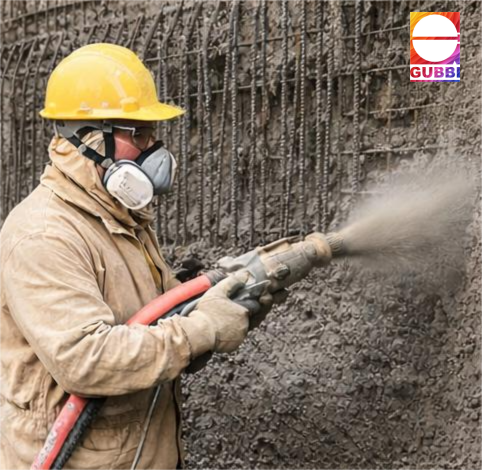
Guniting is a specialised concrete repair and strengthening technique used to restore damaged surfaces, improve structural durability, and protect exposed reinforcement. The method involves spraying a cementitious mortar or concrete mixture onto a prepared surface under controlled pressure. It is commonly used for repairing concrete structures, retaining walls, tunnels, bridges, slabs, columns, beams, and other areas where conventional concrete placement is difficult or unsuitable. Over time, concrete structures can develop cracks, spalling, honeycombing, exposed reinforcement, surface deterioration, and localised loss of concrete because of moisture, corrosion, weathering, vibration, or poor construction. These problems can gradually affect structural performance if they are not addressed properly. Professional guniting services help restore damaged sections by placing repair material firmly against the prepared substrate and creating a dense, durable repair layer.
What Is Guniting Work?
Guniting work is a process in which cement mortar or fine concrete is pneumatically projected onto a surface at high velocity. Unlike conventional concrete repair, the material does not always require extensive formwork because it is sprayed directly onto the prepared area. This makes the technique particularly useful for vertical, overhead, curved, irregular, and difficult-to-access surfaces where traditional repair methods may require considerable preparation.
The effectiveness of guniting depends on several factors, including surface preparation, material selection, mixing proportions, application pressure, nozzle distance, operator skill, curing, and site conditions. Pneumatic concrete repair requires trained personnel because incorrect spraying techniques can result in rebound, inadequate compaction, weak bonding, uneven thickness, or excessive material loss. Proper execution is therefore essential for achieving a durable and structurally reliable repair.
Why Guniting Is Used for Concrete Repair
Concrete repair often requires more than simply filling visible cracks or damaged portions. When deterioration has resulted in concrete loss, reinforcement exposure, or section reduction, the affected area needs to be carefully prepared before a suitable repair material is applied. Guniting can provide an efficient solution for rebuilding deteriorated sections while achieving good adhesion and compaction when the application is properly controlled.
One important advantage of guniting is its ability to cover large or irregular surfaces without extensive shuttering. This can reduce preparation time and provide greater flexibility during repair work. High-velocity concrete application also helps the sprayed material compact against the substrate during placement. However, guniting should be selected based on structural assessment and repair requirements rather than being treated as a universal solution for every concrete defect.
Common Applications of Guniting Services
Guniting services are widely considered for structural repair projects where damaged concrete needs to be reinstated or strengthened. Typical applications include deteriorated columns, beams, slabs, retaining walls, basements, tunnels, culverts, bridge components, water-retaining structures, industrial facilities, and other concrete surfaces. The technique can also be useful where access limitations make conventional concrete placement complicated or uneconomical.
In buildings and industrial structures, guniting may be used where concrete surfaces have deteriorated because of long-term exposure, corrosion, impact, leakage, or environmental conditions. The damaged concrete is removed until sound material is reached, reinforcement is treated where necessary, and the substrate is prepared before spraying. Concrete section restoration must be performed according to the specific damage mechanism and the structural requirements identified during assessment.
Guniting for Structural Strengthening
Guniting can form part of a broader structural strengthening system when additional concrete thickness or a repair layer is required. It may be used alongside reinforcement, mesh, anchors, micro-concrete, jacketing systems, or other strengthening techniques depending on engineering requirements. The objective is not simply to cover damaged concrete but to restore the required geometry, protection, bond, and performance of the structural component.
For strengthening applications, the existing structure should first be evaluated by qualified professionals. The extent of deterioration, reinforcement condition, load requirements, concrete quality, and causes of damage should be considered before selecting a repair method. Structural concrete rehabilitation should always address the underlying problem rather than concealing visible deterioration. This approach helps prevent premature failure of the repair and improves the long-term performance of the structure.
Guniting for Concrete Repair
Concrete repair using guniting generally begins with the removal of loose, cracked, weak, or deteriorated concrete. The exposed surface is then cleaned thoroughly to remove dust, laitance, contaminants, and other materials that could affect bonding. Where reinforcement is exposed, corrosion products may need to be removed and appropriate protective treatment may be applied before rebuilding the concrete section.
After preparation, the selected repair material is mixed and conveyed through specialised equipment to the nozzle, where compressed air projects it onto the substrate. The nozzle operator controls the application to achieve suitable coverage and compaction. Rebound-controlled spraying is particularly important because excessive rebound can reduce material efficiency and affect the quality of the finished surface. Skilled application helps maintain consistent thickness and proper contact with the substrate.
Guniting for Crack and Surface Damage
Not every crack requires guniting, and the correct repair method depends on the crack's width, depth, cause, movement, and location. However, when cracking is associated with substantial surface deterioration or concrete loss, guniting can sometimes be incorporated into the overall repair strategy. The damaged concrete should first be investigated to determine whether the problem is structural, environmental, construction-related, or caused by reinforcement corrosion.
Surface deterioration may also occur because of repeated moisture exposure, carbonation, chloride penetration, abrasion, chemical attack, or inadequate concrete cover. Simply spraying a new layer over an unstable surface may provide only temporary improvement. Durable surface rehabilitation requires proper substrate preparation and treatment of the deterioration mechanism. This ensures that the repair material bonds to sound concrete and provides appropriate protection to the restored area.
Guniting for Retaining Walls and Difficult Surfaces
Retaining walls, tunnel linings, underground structures, and other large concrete surfaces can present difficult working conditions for conventional repair methods. Their geometry, access restrictions, and location may make shuttering and traditional concrete placement challenging. Guniting can provide greater flexibility because the repair material can be sprayed directly onto prepared surfaces, including vertical and overhead areas.
For retaining walls and similar structures, drainage and water-related issues should also be investigated before repair. Persistent water pressure, leakage, poor drainage, or movement can continue damaging the structure even after concrete has been reinstated. Difficult-access concrete repair therefore requires more than equipment and spraying skills. A successful project combines assessment, preparation, repair application, curing, and appropriate measures to control the causes of deterioration.
Guniting Contractors: What to Look For
Selecting suitable guniting contractors is important because the quality of sprayed concrete depends heavily on site execution. Contractors should have experience with structural concrete repair, surface preparation, pneumatic spraying equipment, material handling, curing, safety procedures, and working in challenging environments. They should also understand how different substrates and repair conditions affect application and final performance.
Before appointing guniting work contractors, clients should review their relevant project experience, technical capability, manpower, equipment, quality-control procedures, and safety practices. It is also useful to understand whether the contractor can coordinate with structural consultants when engineering assessment is required. Experienced guniting workmanship can make a significant difference to material adhesion, finish quality, thickness control, rebound management, and the overall durability of the repair.
Guniting Work Contractors and Site Execution
Professional guniting work contractors typically follow a systematic sequence rather than immediately spraying material onto damaged concrete. The first stage involves inspecting the affected area and identifying the extent of deterioration. Loose concrete is then removed, reinforcement is exposed where necessary, and the substrate is cleaned. Proper preparation provides the foundation for achieving a strong bond between the existing concrete and the newly applied repair material.
During application, the nozzle should generally be maintained at an appropriate distance and angle from the surface to achieve effective compaction. The operator must control the material flow, air pressure, spraying pattern, and layer thickness according to project requirements. Precision shotcrete application depends significantly on operator experience. Continuous inspection during spraying can help identify irregularities, rebound accumulation, voids, or areas requiring additional treatment.
Guniting Process: Step-by-Step
A typical guniting process starts with a detailed inspection of the damaged concrete surface. The repair area is marked, deteriorated material is removed, and the substrate is exposed until sound concrete is obtained. Reinforcement, if visible, is cleaned and assessed. Any required corrosion treatment or bonding preparation is then completed before the repair material is applied. These preparatory activities are essential for achieving reliable repair performance.
The next stage involves preparing the specified mortar or fine concrete mixture and feeding it through the guniting equipment. Compressed air propels the material through the nozzle onto the prepared surface. The operator builds the required thickness progressively while maintaining proper compaction. After spraying, the repaired surface is finished as specified and cured appropriately. Controlled concrete rebuilding helps ensure that the repaired section achieves the required geometry and service performance.
Importance of Surface Preparation
Surface preparation is one of the most important stages in any guniting project. Even a high-quality repair material may fail prematurely if it is applied over dust, oil, loose concrete, laitance, or contaminated surfaces. The substrate must provide a stable and sufficiently clean base for the sprayed material. Depending on project conditions, mechanical cleaning, water cleaning, or other suitable preparation methods may be used.
The condition of the reinforcement also requires careful attention when corrosion has caused concrete spalling. Rust and loose corrosion products should be addressed according to the repair specification, and the reinforcement should be examined for section loss. Bond-ready concrete surfaces improve the likelihood of effective adhesion between old and new materials. Proper preparation also reduces the risk of debonding, hollow areas, cracking, and premature deterioration after completion.
Materials Used in Guniting
The materials used for guniting depend on the structural application, environmental exposure, required strength, thickness, and project specifications. Cementitious mortar, fine aggregate concrete, and specially designed repair mixes may be used depending on the equipment and application method. Additives or admixtures may also be incorporated when specific performance characteristics such as workability, setting time, durability, or reduced permeability are required.
Material selection should be based on engineering requirements rather than simply choosing the highest-strength product available. Compatibility with the existing concrete, shrinkage characteristics, bond performance, exposure conditions, and curing requirements should all be considered. Engineered repair mortar can provide appropriate performance when correctly specified and applied. The material should also be handled, mixed, transported, and stored according to the manufacturer's technical requirements and project specifications.
Quality Control in Guniting Work
Quality control should continue throughout the guniting process rather than being performed only after the repair is completed. Important factors include substrate condition, material proportions, equipment performance, application technique, thickness, curing, and finished surface quality. Site personnel should monitor spraying conditions and ensure that unsuitable material or excessive rebound does not become incorporated into the repair.
Depending on the project, inspection and testing may include material tests, thickness verification, bond assessment, compressive strength testing, visual inspection, and other quality-control measures specified by the engineer. Performance-focused repair execution provides greater confidence that the completed work meets the required standards. Documentation of preparation, materials, application, testing, and curing can also be valuable for maintenance records and future structural assessments.
Advantages of Professional Guniting Services
One of the main advantages of guniting is its suitability for repairing surfaces where traditional concrete placement can be difficult. Reduced dependence on formwork can simplify work on vertical and overhead surfaces, while high-velocity application can provide good compaction when performed correctly. The method can also support efficient restoration of large areas and irregular geometries under suitable site conditions.
Guniting can be particularly useful when structural repair work must be carried out within restricted spaces or around existing facilities. However, the technique still requires careful planning, skilled operators, appropriate equipment, and suitable materials. Efficient structural repair solutions should always be selected according to the actual condition of the structure. Choosing a method solely because it appears faster or more economical can lead to unsatisfactory results.
When Should You Consider Guniting?
Guniting may be considered when concrete has experienced significant surface deterioration, section loss, spalling, or damage across areas that are difficult to repair using conventional casting methods. It may also be appropriate for rehabilitation projects involving large vertical surfaces, tunnels, retaining structures, bridge elements, and industrial concrete components. The suitability of the method should be confirmed after assessing the structure and its specific repair requirements.
If deterioration is accompanied by reinforcement corrosion, persistent leakage, structural cracks, settlement, or other serious defects, the underlying cause should be addressed before or alongside the concrete repair. Condition-based concrete rehabilitation provides a more reliable approach than treating only the visible symptoms. Early professional assessment can help determine whether guniting, micro-concreting, jacketing, crack injection, waterproofing, or another repair technique is more appropriate.
Choosing the Right Guniting Contractors
When searching for guniting contractors, property owners, facility managers, builders, and industrial clients should look beyond the quoted price. A contractor's experience with similar structures, equipment availability, technical workforce, safety procedures, material knowledge, and quality-control practices can have a greater effect on project results. A detailed site assessment and clearly defined repair methodology should ideally be available before major work begins.
For clients planning structural rehabilitation, working with Gubbi Civil Engineers Limited can be considered when professional evaluation and experienced structural repair execution are required. The contractor should be able to understand the existing condition, recommend a suitable repair approach, coordinate technical requirements, and execute the specified work systematically. Choosing a technically capable contractor helps reduce execution risks and supports better long-term performance of the repaired structure.
Cost of Guniting Work
The cost of guniting work varies considerably depending on the size of the repair area, required thickness, material specification, surface condition, access, equipment requirements, scaffolding, reinforcement treatment, curing, testing, and site conditions. A simple surface application and a structural concrete rehabilitation project cannot be compared using the same rate. Therefore, an accurate estimate generally requires an inspection and understanding of the complete scope.
Clients should also avoid selecting contractors based only on the lowest per-square-foot or per-square-metre quotation. A lower initial price may exclude essential activities such as concrete removal, reinforcement treatment, surface preparation, curing, testing, access arrangements, or waste management. Transparent repair cost planning should include all necessary stages of the work so that the project budget reflects the actual requirements rather than only the spraying operation.
Guniting vs Conventional Concrete Repair
Conventional concrete repair may be suitable where damaged sections are accessible and formwork can be installed efficiently. Guniting becomes more attractive when the repair involves vertical, overhead, curved, irregular, or difficult-to-access surfaces. The decision should depend on project-specific factors such as geometry, repair thickness, access, required strength, construction sequence, surrounding operations, and available equipment.
Neither technique should automatically be considered better for every application. Application-specific repair selection is essential for achieving durable results. In some projects, guniting may be combined with other methods to address different types of deterioration. A qualified technical team can compare available repair options and determine the most practical approach based on structural requirements, site conditions, project duration, safety considerations, and long-term durability.
Safety During Guniting Work
Guniting involves high-pressure equipment, airborne particles, cementitious materials, elevated work areas, and potentially restricted construction environments. Appropriate personal protective equipment, access systems, ventilation, dust control, equipment inspection, and work-zone management are therefore important. Workers should be trained to operate spraying equipment safely and understand the hazards associated with compressed air and high-velocity material projection.
Safety planning becomes particularly important when guniting is performed inside tunnels, basements, industrial facilities, tanks, or other confined areas. Controlled repair-site operations help protect workers, occupants, equipment, and surrounding assets. The work should follow applicable safety requirements and project-specific risk assessments. Proper planning before spraying begins can reduce interruptions, improve productivity, and help prevent avoidable incidents during structural repair activities.
Long-Term Performance of Guniting Repairs
The long-term performance of a guniting repair depends on more than the quality of the sprayed material. The underlying cause of deterioration, substrate condition, reinforcement treatment, material compatibility, application quality, curing, and environmental exposure all influence durability. A repair that does not address the source of damage may deteriorate again even when the initial sprayed surface appears sound.
For this reason, guniting should be treated as one component of a complete concrete rehabilitation strategy when the structure has complex deterioration. Long-life concrete restoration requires appropriate diagnosis, preparation, material selection, skilled execution, inspection, and maintenance. Regular monitoring after completion can also help identify new cracks, moisture ingress, corrosion, or other defects before they become extensive and require major intervention.
Guniting is a practical technique for restoring deteriorated concrete and repairing difficult-to-access structural surfaces when it is properly designed and executed. Its applications include concrete rehabilitation, section restoration, retaining walls, tunnels, bridge components, industrial structures, and selected strengthening projects. The success of guniting services depends heavily on substrate preparation, material selection, spraying technique, curing, quality control, and experienced workmanship.
For anyone looking for guniting services or reliable guniting work contractors, the most important consideration is not simply how quickly the material can be sprayed. The complete repair methodology should address the cause of deterioration, condition of existing concrete, reinforcement, structural requirements, site access, safety, and long-term durability. Selecting experienced guniting contractors can help ensure that the repair is technically appropriate, properly executed, and built for dependable performance.

 English
 Arabic
 French
 Portuguese
 Deutsch
 Turkish
 Dutch
Dutch
 Italiano
 Russian
 Romaian
 Portuguese (Brazil)
 Greek
Greek