

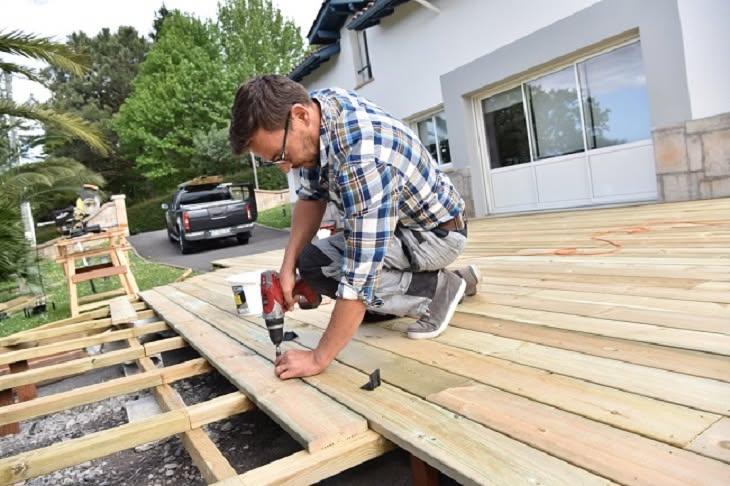

A well-designed deck can change the way you use your outdoor space. It gives you a comfortable place to enjoy morning coffee, host family gatherings, fire up the grill, or simply relax after a long day. But creating a deck that looks attractive and holds up over time takes more than choosing a few boards and building a platform.
Professional Deck Installation Services in Copiague, NY can help homeowners plan an outdoor structure that suits their property, lifestyle, and budget. From selecting suitable materials to considering layout, drainage, and safety, every decision matters. C & A SOLIS FENCE understands the value of a well-planned outdoor space and the role quality workmanship plays in creating one.
Whether you're considering a brand-new deck or improving an older structure, a little planning can make a big difference.
1. Start With a Deck Design That Fits Your Lifestyle
Before choosing materials or discussing construction, think about how you actually plan to use your deck. A space designed for quiet evenings may look very different from one intended for large family gatherings.
For example, a homeowner who enjoys outdoor dining might need enough room for a table, chairs, and a clear walking area. Someone who prefers relaxing outside may want built-in seating, space for plants, and a layout that offers some privacy.
Start by considering these practical questions:
-
How many people will regularly use the deck?
-
Will you use it mainly for dining, entertaining, or relaxing?
-
Do you need stairs connecting the deck to your yard?
-
Would you prefer an open layout or a more private area?
-
How much maintenance are you comfortable handling?
The shape of your property also matters. A narrow backyard might benefit from a long, rectangular deck, while a larger outdoor area could accommodate multiple sections for dining and lounging.
Think about sunlight, too. A deck that receives direct afternoon sun may become uncomfortable during warmer months. Adding a shade structure or planning around existing trees can improve comfort.
Good planning helps prevent expensive changes later. It also makes it easier to choose a design that complements your home rather than looking like an afterthought.
2. Choose Materials That Balance Appearance and Durability
Decking materials affect the structure's appearance, maintenance requirements, lifespan, and overall cost. The right choice depends on your budget and how much time you're willing to spend maintaining the surface.
Here are some common options homeowners consider.
Natural Wood Decking
Wood remains a popular choice because of its traditional appearance and natural texture. It can complement many architectural styles and offers flexibility when it comes to stains and finishes.
However, wood requires regular care. Depending on the material and local conditions, homeowners may need to clean, seal, or stain the surface to protect it from moisture and everyday wear.
Composite Decking
Composite boards combine wood fibers and recycled plastics. They're often selected by homeowners who want a wood-like appearance without the same level of routine maintenance.
Composite materials generally don't require regular staining, although cleaning is still necessary. Their upfront price can be higher than some traditional wood options, so it's worth comparing long-term costs.
PVC Decking
PVC decking is made primarily from synthetic materials. It resists moisture and doesn't have the same concerns associated with wood rot. It's another option for homeowners who prefer a lower-maintenance surface.
When comparing materials, consider:
-
Initial purchase and installation costs
-
Resistance to moisture and fading
-
Cleaning and maintenance requirements
-
Available colors and textures
-
Manufacturer recommendations and warranties
Don't choose a material based on appearance alone. A beautiful surface that doesn't suit your maintenance preferences may become frustrating over time.
3. Why Professional Planning Matters for a Safe Structure?
A deck should look good, but its structural safety matters even more. Poorly planned construction can lead to loose railings, unstable stairs, uneven surfaces, and other problems that may become dangerous.
The foundation is one of the first things to consider. Depending on the design, soil conditions, and applicable building requirements, the deck may need properly sized footings and support posts. These components help distribute weight and keep the structure stable.
Other important details include:
-
Ledger connections: Where a deck attaches to a house, the connection must be properly designed and secured.
-
Joists and beams: These structural components support the decking surface and need appropriate sizing and spacing.
-
Stairs: Steps should have consistent dimensions and a safe, comfortable design.
-
Railings: Elevated decks may require guardrails that meet applicable safety codes.
-
Water management: Proper drainage helps prevent standing water and moisture-related damage.
Local building codes and permit requirements should also be checked before construction begins. Requirements can vary based on deck height, size, location, and design.
For homeowners considering Deck Installation Services in Copiague, NY, discussing these details before work starts can help avoid unnecessary delays and costly corrections.
A good project isn't simply about getting the boards in place. It's about building a structure that feels secure and remains dependable with regular use.
4. Recognize the Signs That an Existing Deck Needs Attention?
An older deck doesn't always need to be replaced. Sometimes, targeted repairs can address specific problems and extend the structure's useful life. The challenge is knowing which issues are minor and which ones point to deeper structural concerns.
Start with a visual inspection. Look closely at the surface, stairs, railings, and areas where the deck connects to the house.
Common warning signs include:
-
Boards that feel soft, weak, or spongy underfoot
-
Loose or missing screws and fasteners
-
Railings that move when pressure is applied
-
Cracked or splintered boards
-
Rusted metal connectors
-
Visible signs of rot around posts or support areas
-
Stairs that feel unstable or uneven
A small problem can become more serious if it's ignored. For instance, a loose board might seem like a simple inconvenience, but it could indicate damaged fasteners or deterioration underneath.
Professional Deck Repair Services in Copiague, NY can help identify the source of a problem and determine whether a repair is suitable. Replacing damaged boards, securing loose connections, or addressing deteriorated sections may restore the deck's usability.
However, repairs shouldn't be used to cover up major structural damage. If support posts, beams, or the connection to the house are compromised, a more extensive solution may be necessary.
When in doubt, have the structure inspected before continuing to use an unsafe area.
5. Protect Your Investment With Regular Deck Maintenance
Even a well-built deck needs routine attention. Dirt, leaves, moisture, sunlight, and everyday foot traffic gradually affect outdoor surfaces.
A simple maintenance routine can help you catch problems early and keep the deck looking presentable.
Clean the Surface Regularly
Remove leaves, dirt, and debris before they collect in corners or between boards. Organic material can hold moisture against the surface and contribute to staining or deterioration.
Use cleaning products suitable for your decking material. Harsh chemicals or aggressive pressure washing can damage certain surfaces, so always follow the manufacturer's guidance.
Check Fasteners and Railings
Walk around the deck and look for loose boards, exposed nails, or wobbly railings. Pay attention to stairs and frequently used areas, since these sections often experience more movement and wear.
Manage Water and Drainage
Water should be able to drain away rather than collecting around the structure. Keep nearby gutters and downspouts clear, and remove debris that blocks drainage paths.
Inspect the Deck Seasonally
A seasonal inspection is a practical way to spot changes before they become major problems. Check for:
-
New cracks or splinters.
-
Soft spots and discoloration.
-
Loose boards or railings.
-
Signs of moisture damage.
-
Shifting stairs or visible movement.
For wood decks, periodic sealing or staining may also be necessary. The right schedule depends on the material, product recommendations, and exposure to the elements.
Consistent care doesn't guarantee that a deck will never need repairs, but it can help homeowners address developing issues sooner.
6. Make the Outdoor Space More Comfortable and Functional
A deck should feel like a natural extension of your home. Small design choices can make the area more useful without requiring an elaborate construction project.
Start with furniture that matches the available space. Oversized seating can make a small deck feel crowded, while compact furniture may leave a larger area looking unfinished.
Lighting is another detail worth considering. Outdoor-rated fixtures can improve visibility around stairs and walking areas while creating a welcoming atmosphere after sunset. Make sure electrical installations are handled safely and according to applicable requirements.
You can also improve the overall appearance with:
-
Outdoor rugs designed for exterior use
-
Weather-resistant cushions
-
Planters and decorative containers
-
Privacy screens where permitted
-
Shade solutions for sunny areas
-
Storage benches for outdoor accessories
If you're planning a new structure, consider these features early rather than trying to squeeze them in afterward. Leaving enough room for furniture, walking paths, and future additions makes the deck easier to enjoy.
Homeowners who need Deck Repair Services in Copiague, NY may also want to consider whether small improvements can be included during repair work. For example, replacing worn boards may be an opportunity to improve the surface's appearance or address an outdated layout.
The goal is to create an outdoor area that works for everyday life, not just one that looks impressive in photographs.
Conclusion:
A great deck starts with thoughtful planning. The right design, suitable materials, sound structural details, and regular maintenance all contribute to an outdoor space that's comfortable and dependable.
Whether you're building from scratch or improving an existing structure, take time to evaluate your property's needs and understand the available options. Deck Installation Services in Copiague, NY can help turn an outdoor improvement idea into a practical addition to your home.
C & A SOLIS FENCE is a local business homeowners can consider when exploring their outdoor improvement needs. If you're thinking about adding a deck or updating an older one, take the next step by discussing your project requirements, design ideas, and budget. A well-planned outdoor space can give you more room to relax, entertain, and enjoy your home.


