

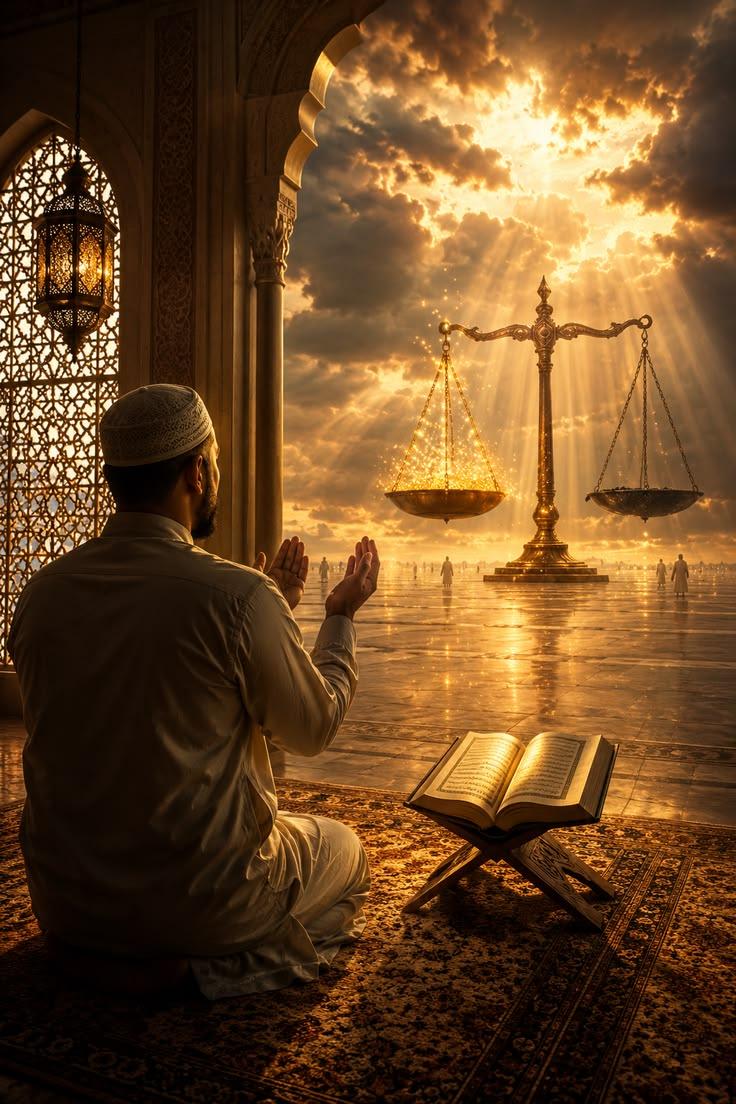

An Islamic will in the UK helps Muslims record how their estate should be handlehttps://faranitaylor.com/services/estate-planning/islamic-willd in line with Islamic inheritance principles while meeting English legal requirements. Islamic wills UK planning can also cover executors, children’s guardians, debts, funeral wishes and charitable bequests. A carefully drafted will gives your family clearer instructions and can reduce uncertainty at a difficult time.
In 2025, planning ahead remains important: a will is not only about property, but also about protecting the people and values that matter to you.
What is an Islamic will, and why does it matter in the UK?
An Islamic will, often called a Wasiyyah, is a written document setting out a Muslim’s wishes after death. It combines estate planning under UK law with inheritance principles drawn from the Qur’an and Sunnah.
Quick answer: A valid will can appoint executors, name guardians for children, record funeral wishes and set out Sharia-based distribution intentions. It should be drafted carefully so the document works under the law that applies to your assets.
Without a valid will, estate distribution is governed by the relevant intestacy rules rather than automatically following Islamic inheritance principles. Those rules may produce a different outcome from the distribution a Muslim family expects.
A will can also help:
-
Identify who will administer your estate.
-
Record debts and obligations that need attention.
-
Explain charitable bequests within the permitted Islamic framework.
-
Make guardianship wishes clear for children under 18.
-
Reduce avoidable confusion among relatives.
For London families with property, savings, business interests or relatives living abroad, professional advice can be especially useful. Cross-border assets and family circumstances may require additional planning.
How can you make an Islamic will in London?
The practical route is to gather your family and financial details, obtain suitable legal and Sharia guidance, draft the document, and execute it correctly. Start with a specialist who understands both Islamic inheritance and UK will formalities.
A useful preparation checklist:
-
List your assets: property, bank accounts, investments, business interests and personal valuables.
-
Record liabilities: mortgages, loans, unpaid bills and other debts.
-
Identify family members: spouse, children, parents and other relatives who may be relevant.
-
Choose executors: people you trust to administer the estate responsibly.
-
Consider guardianship: state your wishes for minor children.
-
Discuss distribution: clarify the Sharia principles and any permitted bequests.
-
Review tax and trusts: ask whether the proposed arrangements create tax or practical concerns.
-
Sign and witness correctly: follow the applicable legal formalities.
For tailored guidance, you can read Islamic wills UK information from Farani Taylors. The firm’s Islamic wills service explains how Sharia principles and English law can be considered together.
How does Islamic inheritance work under a UK will?
Islamic inheritance, commonly known as Faraid, identifies prescribed shares for eligible relatives. The exact calculation depends on which family members survive the person who has died and the circumstances of the estate.
In broad terms, estate administration should first address funeral expenses, debts and valid obligations. A permitted bequest may then be considered, followed by distribution of the remaining estate according to applicable Islamic inheritance rules.
A commonly explained principle is that up to one-third may be bequeathed to eligible non-heirs or charitable purposes, subject to Islamic rules. The remaining inheritance is generally distributed among qualifying heirs. The details can be complex, so a generic online calculator should not replace individual advice.
| Planning area | What to clarify |
|---|---|
| Debts and obligations | Which liabilities must be settled first? |
| Fixed heirs | Which relatives may inherit under the relevant interpretation? |
| Bequests | Is the intended gift within the permitted limit and to an eligible recipient? |
| Charity | Is a sadaqah jariyah or other charitable gift properly documented? |
| Family circumstances | Are there dependants, vulnerable beneficiaries or overseas assets? |
A will should not promise a precise final share before all relevant facts are known. The family structure at the date of death can affect the calculation.
Can an Islamic will be legally valid in England and Wales?
Yes, an Islamic will can be legally valid in England and Wales when it meets the applicable will-making requirements. Its religious distribution provisions must also be drafted clearly and consistently with the legal framework.
Generally, a person must have testamentary capacity and follow formal signing and witnessing requirements. In England and Wales, a will is usually signed by the testator in the presence of two witnesses, who then sign in the testator’s presence. Beneficiaries and their spouses should not act as witnesses because this can affect gifts under the will.
The legal position differs in Scotland and Northern Ireland, so this guide focuses on England and Wales. If you own assets in more than one jurisdiction, seek advice about which rules apply.
A homemade document may overlook important issues such as executor powers, guardianship, property ownership or conflicting earlier wills. A solicitor can help identify those risks before the will is signed.
What should you include in an Islamic will?
A well-prepared Islamic will usually covers more than inheritance shares. It should give the people administering your estate clear instructions and reduce practical questions for your family.
Consider including:
-
Your full name and a clear statement that the document is your last will.
-
Appointment of one or more executors and substitute executors.
-
Guardianship wishes for minor children, where appropriate.
-
Instructions for settling debts and obligations.
-
Sharia-based inheritance and permitted bequest provisions.
-
Funeral and burial wishes.
-
Charitable intentions, including sadaqah jariyah.
-
Details that help locate important documents and assets.
Keep a separate, secure record of account details and documents. Do not put passwords or sensitive access credentials directly into the will. Tell your executor where the relevant records can be found.
How can Islamic will planning consider inheritance tax?
Islamic inheritance planning and UK inheritance tax planning should be reviewed together. A distribution that follows religious principles may not automatically use every available tax relief or exemption in the most effective way.
Inheritance tax depends on the value and nature of the estate, applicable allowances, gifts, residence and family circumstances. Rules and thresholds can change, so figures should be checked at the time you plan or update your will.
A solicitor or tax adviser may discuss trusts, the treatment of a surviving spouse, property ownership and the impact of distributing assets to different beneficiaries. Any solution must respect your religious objectives while remaining legally and financially workable.
Do not assume that a standard will or a simple Islamic template is automatically tax-efficient. Ask for advice based on your actual assets and family situation.
Why choose Farani Taylors for Islamic wills in London?
Choosing a solicitor familiar with Islamic inheritance can make the process easier to understand. Farani Taylors presents an Islamic wills service that aims to address Sharia considerations alongside UK legal requirements.
The firm states that its Islamic wills have been authenticated by Shaykh Sulaiman Gani and describes work with East London Mosque and the London Muslim Centre. These are firm-published statements; ask the team for current details and how its review process applies to your circumstances.
You can also explore Farani Taylor Solicitors for information about the firm and its legal services. During an initial discussion, ask:
-
Who will draft and review your will?
-
How are Islamic inheritance instructions checked?
-
What happens if your family circumstances change?
-
Can the will address guardianship and overseas assets?
-
How will tax or trust questions be referred for advice?
The right adviser should explain options in plain language, identify limitations and give you time to make informed decisions.
What makes London relevant to Islamic inheritance planning?
London has a substantial Muslim community, making culturally informed estate planning relevant to many households. Census 2021 data reported approximately 1.32 million Muslims in London, around 15% of its population. Tower Hamlets, Redbridge and Newham were among the boroughs with particularly large Muslim communities.
Families across East London, Ilford, Whitechapel, Stratford, Wembley and other neighbourhoods may have different property, family and cross-border circumstances. A local solicitor can help discuss these details without assuming every Muslim family has the same needs.
Farani Taylors is based at Mermaid House, 2 Puddle Dock, London EC4V 3DB, within reach of central London transport links and landmarks around the City and Blackfriars. Confirm appointment arrangements and accessibility directly before travelling.
What do client reviews tell you about a solicitor?
Reviews can help you understand communication, responsiveness and the client experience, but they are only one part of choosing a legal adviser. Read recent feedback on the firm’s Google Business Profile and other reputable review platforms.
Look for comments that describe clear explanations, respectful service, timely updates and whether clients felt their questions were answered. Avoid relying on selected testimonials alone. We have not inserted reviewer names or quotations because current review text has not been independently verified for this article.
Islamic wills UK: key answers at a glance
-
What is an Islamic will? A will that records estate wishes in line with Islamic inheritance principles and applicable UK law.
-
Can Muslims make a will in England? Yes, provided the document meets the legal requirements.
-
Can I appoint guardians? You can record guardianship wishes for minor children; legal circumstances should be considered.
-
Can I leave money to charity? Islamic rules generally allow a bequest of up to one-third to eligible non-heirs or charitable purposes, subject to the relevant conditions.
-
Does a will avoid inheritance tax? Not automatically. Tax outcomes depend on the estate and planning.
-
Should I update my will? Review it after marriage, divorce, births, deaths, major asset changes or relocation.
People also ask about Islamic wills in the UK
How do I make an Islamic will in London?
Prepare your asset and family details, consult a solicitor experienced in Islamic inheritance, agree on distribution and executor provisions, then sign and witness the will correctly.
Is an Islamic will different from a normal UK will?
It can be. An Islamic will records Sharia-based inheritance intentions alongside UK legal formalities, while a conventional will may provide broader discretionary gifts.
Can I leave one-third of my estate to charity?
Islamic inheritance principles commonly permit a bequest of up to one-third to eligible non-heirs or charitable purposes. The exact arrangement should be checked with a qualified adviser.
What happens if a Muslim dies without a will in England?
The estate is generally distributed under England and Wales intestacy rules. These do not automatically apply Islamic inheritance shares, so outcomes may differ from the family’s expectations.
Plan your Islamic will with confidence
A clear will can help your family understand your wishes, manage your estate and follow the principles that matter to you. The best time to review your arrangements is before a major life change makes decisions urgent.
If you are considering an Islamic will in London, contact Farani Taylors to discuss your family structure, assets and questions. Ask for advice that addresses both Sharia considerations and the legal requirements applying to your estate.


