

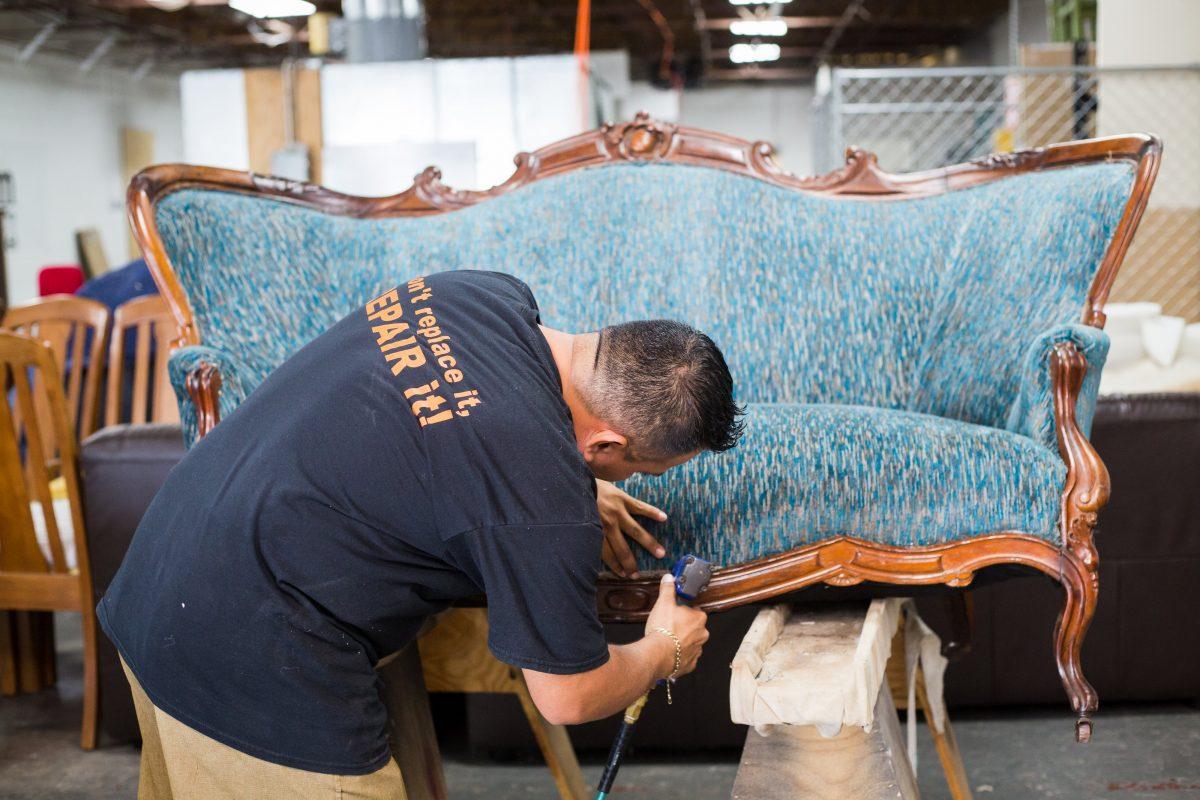
How Timely Furniture Repairs Can Restore Comfort and Functionality to Your Canton Home

Furniture is part of everyday life. From the sofa where your family relaxes to the dining table used for meals and the desk where you work, each piece serves a purpose. But daily use gradually takes its toll. Loose chair legs, damaged drawers, wobbly tables, and broken hinges can make familiar furniture uncomfortable or difficult to use. Replacing every damaged item can be expensive, especially when the problem is limited to one component. In many cases, a suitable repair can restore its usefulness and extend its life. Homeowners considering Furniture Repair Services in Canton, GA can benefit from understanding which problems are repairable, when to seek professional help, and how regular care can prevent further damage.
1. Recognizing Furniture Problems Before They Get Worse
Furniture rarely becomes unusable overnight. Most pieces show signs of wear before a major failure occurs. Noticing these changes early can help prevent additional damage and make repairs more straightforward.
For example, a dining chair may begin to wobble because one of its joints has loosened. A drawer might stick because its track has shifted, or a cabinet door may stop closing correctly because a hinge has become loose.
Common warning signs include:
-
Wobbly tables and chairs: Loose joints or fasteners can affect stability.
-
Sticking drawers: Dirt, damaged runners, or alignment problems may prevent smooth movement.
-
Loose handles and hinges: Repeated use can gradually loosen hardware.
-
Cracked or chipped surfaces: Impact, moisture, and everyday wear can damage finishes.
-
Sagging shelves: Excessive weight or weakened supports may affect their ability to hold items.
-
Unstable furniture frames: Damaged connections can make larger pieces feel unsafe or unreliable.
Don't ignore a small problem simply because the furniture still works. A loose chair joint, for instance, may become more difficult to repair if the chair continues to be used without attention.
A simple inspection every few months can help you identify issues early. Check frequently used items first, especially dining chairs, beds, desks, cabinets, and living room furniture.
2. Repairing Common Furniture Damage Around the Home
Different furniture problems require different repair approaches. The material, age, construction, and extent of the damage all influence what can be done.
Loose Joints and Unstable Frames
Wooden chairs, tables, and bed frames often rely on connected joints and fasteners to maintain stability. Over time, repeated movement can loosen these connections.
A repair may involve tightening suitable hardware, reinforcing a joint, or replacing a damaged component. However, simply tightening every screw isn't always the answer. If the wood around a connection has split or worn away, the underlying damage needs attention.
For safety, avoid using a chair or other weight-bearing item that feels unstable until it has been inspected and repaired.
Drawer and Cabinet Problems
Drawers are opened and closed frequently, which puts regular pressure on their runners and hardware. If a drawer becomes difficult to move, check whether it is overloaded or visibly misaligned.
Other possible causes include:
-
Loose drawer slides.
-
Damaged rollers or runners.
-
Bent or worn hardware.
-
Misaligned drawer fronts.
-
Obstructions inside the cabinet.
Cabinet doors can develop similar problems when hinges loosen or shift. Proper adjustment can often improve how they open and close.
Surface Scratches and Finish Damage
Furniture surfaces can become scratched by keys, toys, moving objects, or everyday household activity. Small marks may be manageable, while deeper damage can require more careful restoration.
Before attempting a repair, identify the surface material and finish. Solid wood, veneer, laminate, and painted furniture require different treatment. Using an unsuitable product can make a small imperfection more noticeable.
When the damage is extensive or the finish is valuable, professional assessment is a sensible first step.
3. Why Repairing Furniture Can Be Better Than Replacing It ?
When furniture becomes damaged, buying something new may seem like the easiest solution. However, replacement isn't always necessary. If the main structure remains sound, repairing the affected part may restore the item's usefulness at a lower overall cost.
Keep Furniture That Still Meets Your Needs
Some furniture pieces have practical or personal value. A sturdy dining table may fit your room perfectly, while an older cabinet may offer storage that is difficult to replace with a new model.
If the issue is limited to a loose joint, broken handle, damaged hinge, or worn drawer track, repairing the problem may be more practical than purchasing another item.
Reduce Unnecessary Waste
Furniture replacement can mean disposing of large items that still have useful components. Repairing suitable pieces helps homeowners make better use of what they already own.
This can also reduce the effort involved in shopping, arranging delivery, moving old furniture, and assembling a replacement.
Compare Repair and Replacement Carefully
Before deciding, consider:
-
The extent of damage: Is the issue limited to one component, or is the entire frame weakened?
-
The furniture's condition: Are other parts still stable and functional?
-
The cost of repair: Does the estimated repair cost make sense compared with replacement?
-
The item's usefulness: Does it still suit your space and household needs?
-
The availability of parts: Can the required hardware or components be obtained?
A professional can help assess the condition and explain whether repair is a reasonable option. Not every damaged item should be saved, but many everyday furniture problems deserve an inspection before replacement is considered.
4. When Professional Help Makes a Difference ?
Some simple furniture maintenance tasks can be handled at home. Tightening an accessible screw or cleaning a drawer track may be manageable with basic tools. More involved repairs, however, require suitable materials, accurate adjustments, and an understanding of how the furniture is constructed.
Professional assistance can be especially useful when:
-
A chair or table remains unstable after basic adjustments.
-
A bed frame has damaged connections.
-
Cabinet doors repeatedly become misaligned.
-
Drawer slides or other hardware need replacement.
-
Furniture has cracked or weakened structural components.
-
A repair requires careful handling of finished or delicate surfaces.
Furniture Fixing Services in Canton, GA can help homeowners address furniture problems that interfere with everyday use. Having the issue assessed before attempting a complicated repair can also help avoid accidental damage caused by unsuitable tools or materials.
Your Home Handyman provides practical home improvement and repair assistance in Canton, GA. When discussing a furniture repair, explain what is damaged, how long the problem has been present, and whether any previous repair attempts have been made. Clear information helps establish the work involved and the most suitable next step.
5. Simple Ways to Keep Furniture in Better Condition
Once furniture has been repaired, a few everyday habits can help reduce unnecessary wear. Good maintenance doesn't require expensive products or a complicated routine. It mostly involves using furniture properly and responding to small issues before they become larger problems.
Avoid Overloading Furniture
Shelves, drawers, and storage cabinets have practical weight limits. Storing too many heavy items in one place can strain supports and affect alignment.
Spread stored items evenly and avoid placing excessive weight on furniture that wasn't designed to carry it.
Protect Surfaces From Moisture and Heat
Spills, damp objects, and hot items can damage certain furniture finishes. Use suitable coasters, mats, or protective coverings where appropriate. Clean spills promptly using products recommended for the surface material.
Move Furniture Carefully
Dragging heavy furniture across floors can place stress on its legs, joints, and frame. Lift items when practical, use suitable moving equipment, and avoid pulling on handles or decorative sections.
Check Hardware Regularly
Every few months, inspect accessible screws, handles, hinges, and drawer components. If something becomes loose or starts making unusual noises, investigate it rather than continuing to use it without attention.
Follow Material-Specific Care Instructions
Wood, metal, glass, fabric, and laminate all need different care. Avoid using abrasive cleaners or excessive moisture unless the manufacturer's guidance allows it.
These simple steps can help preserve appearance, improve everyday function, and reduce the likelihood of avoidable repairs.
Conclusion
Damaged furniture doesn't always need to be replaced. Loose joints, sticking drawers, worn hinges, unstable frames, and scratched surfaces may be repairable when the underlying structure is still in good condition. The best approach is to recognize warning signs early, understand the type of damage, and choose a repair method suited to the material and construction. Regular cleaning, careful handling, and occasional hardware checks can also help furniture last longer. If a piece has become difficult or uncomfortable to use, Furniture Repair Services in Canton, GA from Your Home Handyman can help you explore practical repair options. Take a closer look at the furniture you use every day and address small problems before they become bigger concerns.


