


How Does Reliance Engineering Materials Help Industries Optimize Lubrication Costs?
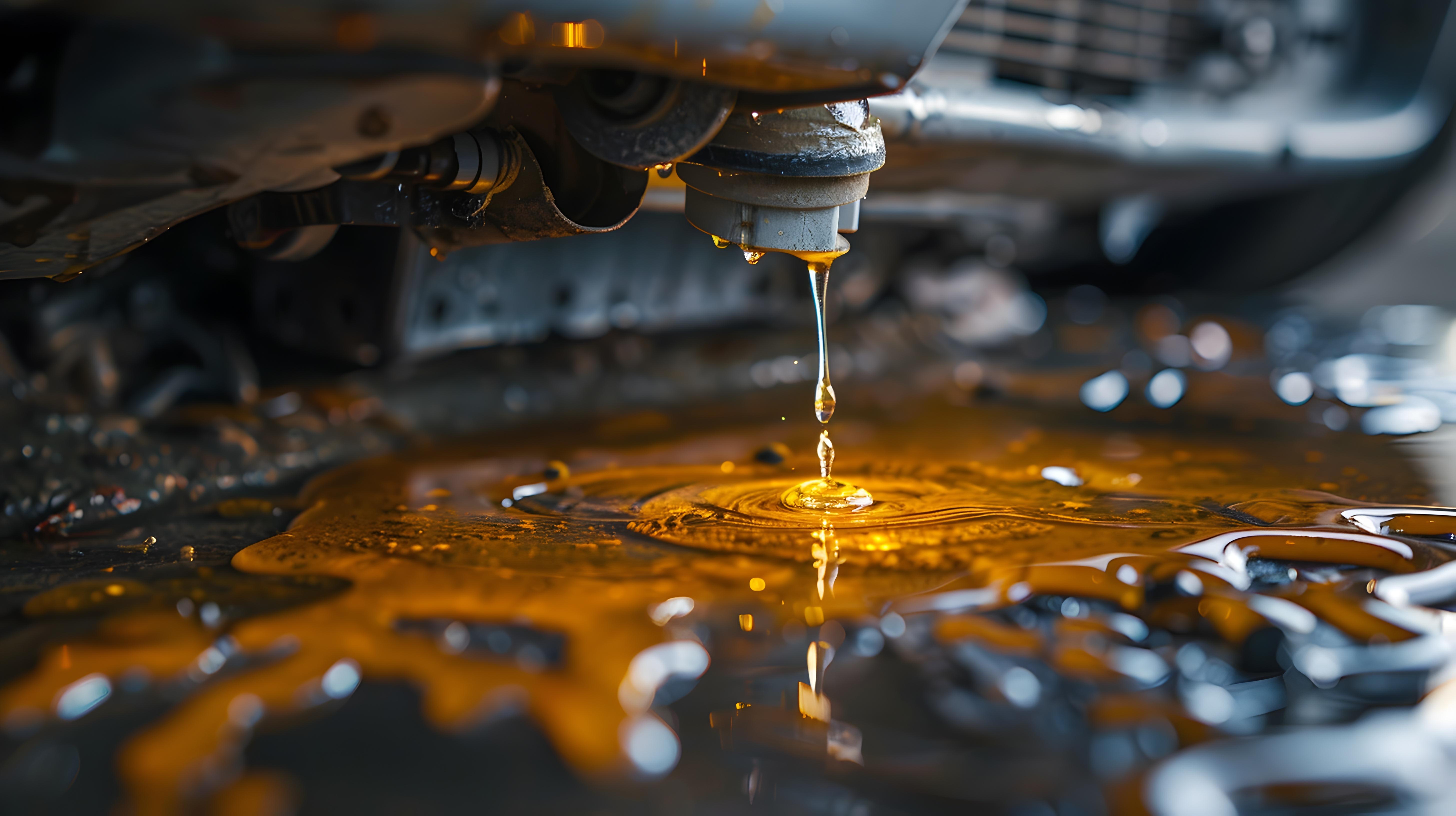
Industrial operations depend on efficient lubrication to keep machinery running smoothly, reduce downtime, and improve equipment life. Choosing the right lubricants, using them correctly, and maintaining proper lubrication schedules can significantly reduce operational costs. Businesses across manufacturing, construction, marine, automotive, food processing, and heavy engineering industries continuously look for ways to improve lubrication efficiency while lowering maintenance expenses. Working with experienced industrial lubricant distributors helps organizations identify suitable lubrication solutions that enhance equipment reliability and overall productivity.
Understanding the Real Cost of Industrial Lubrication
Many businesses focus only on the purchase price of lubricants. However, the actual cost of lubrication extends far beyond buying oils and greases. Poor lubrication practices often result in increased equipment wear, unexpected failures, higher energy consumption, production delays, and expensive repairs.
An optimized lubrication strategy focuses on minimizing these hidden costs by ensuring that every machine receives the correct lubricant in the proper quantity at the appropriate maintenance interval.
When lubrication is managed effectively, companies benefit from reduced operating costs while improving overall equipment performance.
Why Lubrication Optimization Matters
Every industrial machine contains moving parts that generate friction during operation. Without proper lubrication, this friction creates excessive heat, accelerates wear, and shortens equipment life.
Optimized lubrication provides several advantages, including:
-
Lower maintenance expenses
-
Improved machine efficiency
-
Reduced equipment failures
-
Longer service life
-
Better production reliability
-
Lower energy consumption
-
Increased operational safety
These benefits directly contribute to improved profitability across industrial operations.
Selecting the Right Lubricants for Every Application
Different machines require different lubricant formulations based on operating temperature, pressure, load, speed, and environmental conditions.
A proper lubrication program begins by evaluating equipment requirements before selecting products that deliver maximum protection.
Common lubricant categories include:
Hydraulic Oils
Hydraulic systems rely on clean, high-quality oils that provide wear protection while maintaining excellent viscosity characteristics.
Gear Oils
Industrial gearboxes require lubricants capable of handling heavy loads while protecting gears against scuffing and corrosion.
Compressor Oils
Compressors operate under demanding conditions and require lubricants that resist oxidation while minimizing carbon deposits.
Turbine Oils
Power generation and industrial turbines depend on premium lubricants that provide thermal stability and long service life.
Metalworking Fluids
Manufacturing facilities use specialized fluids that cool machinery while improving machining precision and extending tool life.
Selecting appropriate lubricants for each application reduces unnecessary product consumption and minimizes maintenance costs.
The Importance of Proper Grease Selection
Many industrial components depend on grease instead of oil lubrication. Bearings, joints, electric motors, conveyors, and numerous rotating components require carefully selected grease formulations.
Choosing the wrong grease may cause:
-
Bearing failures
-
Increased friction
-
Water contamination
-
Overheating
-
Premature component replacement
Using quality grease in Abu Dhabi allows industries operating in high-temperature environments to protect machinery from harsh climatic conditions while maintaining consistent equipment performance.
Preventive Lubrication Reduces Downtime
Unexpected equipment failures often originate from inadequate lubrication.
Preventive lubrication programs focus on scheduled inspections, lubricant replacement, contamination control, and regular monitoring of equipment conditions.
Key preventive maintenance activities include:
Lubricant Analysis
Testing lubricants helps identify contamination, oxidation, moisture, and metal particles before major failures occur.
Scheduled Replacements
Replacing lubricants at appropriate intervals prevents degradation while maintaining equipment protection.
Clean Storage Practices
Proper lubricant storage prevents contamination from dust, moisture, and airborne particles.
Correct Lubricant Quantity
Both under-lubrication and over-lubrication can damage equipment. Applying the correct amount improves efficiency while reducing waste.
These maintenance practices significantly lower long-term operating costs.
Reducing Lubricant Waste
Many industries unknowingly waste lubricants through poor storage, excessive application, incorrect product selection, or contamination.
Effective lubrication management minimizes waste through:
Inventory Control
Maintaining only essential lubricant varieties reduces expired stock and simplifies maintenance.
Standardized Lubrication Procedures
Using consistent lubrication methods prevents unnecessary product consumption.
Employee Training
Well-trained maintenance personnel understand proper application techniques and recognize lubrication issues before they become serious.
Proper Dispensing Equipment
Using dedicated dispensing systems helps prevent contamination while ensuring accurate lubricant application.
Reducing waste directly lowers purchasing costs without compromising equipment protection.
Improving Equipment Reliability
Reliable equipment is essential for maintaining production schedules and customer satisfaction.
Optimized lubrication improves reliability by reducing:
-
Mechanical wear
-
Corrosion
-
Oxidation
-
Excessive heat
-
Metal-to-metal contact
-
Bearing damage
-
Gear failures
When machinery operates consistently, companies experience fewer production interruptions and lower maintenance expenses.
Lubrication Challenges in Harsh Industrial Environments
Industrial facilities often operate under demanding environmental conditions that accelerate lubricant degradation.
Common challenges include:
High Temperatures
Elevated temperatures increase oxidation and reduce lubricant life.
Dust Contamination
Mining, cement, and construction industries frequently experience contamination that damages lubricated components.
Moisture Exposure
Water contamination affects lubricant performance and promotes corrosion.
Heavy Loads
Industrial machinery carrying heavy loads requires lubricants capable of maintaining protective films under extreme pressure.
Addressing these challenges through proper lubrication planning helps organizations reduce maintenance costs while extending equipment life.
Why Quality Matters More Than Price
Choosing low-cost lubricants may appear economical initially, but inferior products often require more frequent replacement while providing less protection.
Higher-quality lubricants generally offer:
-
Longer service intervals
-
Better oxidation resistance
-
Improved thermal stability
-
Enhanced wear protection
-
Reduced equipment failures
-
Lower maintenance costs
The long-term savings often outweigh the initial purchase price.
Supporting Sustainable Industrial Operations
Modern industries increasingly prioritize sustainability alongside operational efficiency.
Optimized lubrication contributes to environmental goals by:
-
Reducing lubricant consumption
-
Lowering energy usage
-
Extending equipment life
-
Minimizing waste generation
-
Reducing replacement part requirements
Efficient lubrication programs help businesses meet sustainability objectives while lowering operating expenses.
The Role of Technical Support
Lubrication optimization extends beyond product supply. Technical guidance plays an important role in helping maintenance teams improve equipment performance.
Technical support may include:
Equipment Assessments
Evaluating machinery operating conditions helps identify lubrication improvements.
Product Recommendations
Matching lubricant properties with equipment requirements enhances protection.
Lubrication Scheduling
Developing maintenance intervals reduces unnecessary lubricant changes while preventing failures.
Troubleshooting
Investigating recurring lubrication issues helps eliminate the root causes of equipment damage.
Professional guidance improves lubrication efficiency across multiple industrial applications.
Building an Effective Lubrication Strategy
An organized lubrication program should include:
Equipment Identification
Maintain detailed records for every lubricated machine.
Product Standardization
Reduce unnecessary lubricant varieties whenever possible.
Inspection Routine
Regularly inspect lubricant condition and machine performance.
Staff Education
Train maintenance personnel on proper lubrication procedures.
Continuous Improvement
Review lubrication performance periodically and adjust maintenance strategies based on operational results.
These practices create a reliable lubrication system that supports long-term operational efficiency.
Reducing Total Cost of Ownership
Optimizing lubrication affects far more than maintenance budgets. Proper lubrication lowers the total cost of equipment ownership by reducing repair expenses, minimizing production losses, extending machinery life, and improving operational efficiency.
Organizations that prioritize lubrication management often experience measurable improvements in productivity while reducing long-term capital expenditures.
Working with knowledgeable industrial lubricant distributors ensures businesses have access to products and technical expertise that align with changing industrial requirements. Likewise, selecting dependable grease in abu dhabi for demanding operating environments helps protect equipment against heat, dust, and heavy workloads while maintaining consistent performance.
Final Thought
Lubrication optimization is one of the most effective ways to improve industrial efficiency while controlling maintenance costs. A well-planned lubrication program reduces equipment wear, minimizes downtime, extends machinery life, and supports reliable production across a wide range of industries. By selecting the right lubricants, following preventive maintenance practices, reducing waste, and relying on expert guidance, businesses can achieve long-term operational savings and improved equipment performance. A strategic approach to lubrication is not simply about purchasing products. It is about protecting valuable assets, increasing productivity, and creating a more efficient and sustainable industrial operation.

 English
 Arabic
 Spanish
 Portuguese
 Deutsch
 Turkish
 Dutch
Dutch
 Italiano
 Russian
 Romaian
 Portuguese (Brazil)
 Greek
Greek