

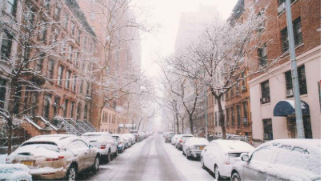

When winter arrives in New York City, a properly heated apartment becomes more than a comfort. It is an important part of maintaining a safe and livable home. Unfortunately, some tenants experience cold rooms, broken radiators, or landlords who delay heating repairs.
The New York Heating Law establishes clear requirements for residential building owners. Understanding these rules helps tenants recognize their rights and allows landlords to meet their responsibilities throughout the colder months.
What Is the New York Heating Law?
New York City requires residential building owners to provide adequate heat during a period known as the official heating season. This period runs from October 1 through May 31.
The NYC Department of Housing Preservation and Development (HPD) enforces heating requirements to help ensure that apartments remain warm enough during colder weather.
These rules apply to residential buildings covered by the city's housing regulations. They establish minimum indoor temperatures that property owners must maintain.
What Are the Legal Heating Requirements in NYC?
New York City follows specific daytime and nighttime temperature standards.
Daytime requirements:
-
Heating season: October 1 through May 31.
-
Hours: 6:00 a.m. to 10:00 p.m.
-
Indoor temperature: At least 68°F when the outdoor temperature falls below 55°F.
Nighttime requirements:
-
Hours: 10:00 p.m. to 6:00 a.m.
-
Indoor temperature: At least 62°F, regardless of the outdoor temperature.
Landlords must also provide hot water throughout the year. The required minimum temperature is generally 120°F at the source.
These requirements give tenants a clear standard for determining whether their apartments receive adequate heat.
What Responsibilities Do Landlords Have?
Property owners must maintain heating systems and provide the required indoor temperatures throughout the heating season. Simply having a boiler or radiator system does not satisfy the law if the equipment fails to heat apartments properly.
Landlord responsibilities generally include:
-
Maintaining boilers, radiators, and other heating equipment.
-
Providing sufficient heat to meet NYC temperature requirements.
-
Responding promptly to heating complaints.
-
Arranging necessary repairs and inspections.
-
Providing hot water 24 hours a day, every day of the year.
Regular maintenance can prevent heating breakdowns and reduce tenant complaints. Landlords should also communicate clearly with residents when repairs or equipment problems arise.
What Can Tenants Do If Their Apartment Has No Heat?
Living in a cold apartment can be stressful, especially when a landlord does not respond to repair requests. Tenants can take several practical steps to address the situation.
1. Notify the Landlord
Contact the landlord, property manager, or building superintendent as soon as you notice a heating problem. Explain the issue and request repairs. Send your complaint through email or text whenever possible so you have a written record.
2. Document Indoor Temperatures
Use a reliable thermometer to record the temperature inside your apartment. Note the date and time of each reading. Photographs, videos, and written records can help demonstrate how long the problem has continued.
3. File a 311 Complaint
If the landlord fails to address the issue, report the problem through NYC 311. HPD may investigate the complaint and issue a violation if the building owner fails to meet the applicable heating requirements.
4. Keep All Relevant Records
Save repair requests, landlord responses, temperature readings, inspection information, and complaint reference numbers. These documents may become useful if the dispute requires further action.
Can Tenants Take Legal Action for Inadequate Heat?
Yes. Tenants may have legal remedies when landlords repeatedly fail to provide required heating services.
New York Real Property Law Section 235-b establishes the warranty of habitability. This law requires residential landlords to maintain rental premises in a condition suitable for human habitation and free from conditions that endanger occupants' health or safety.
A serious or ongoing lack of heat may violate this protection. Depending on the circumstances, tenants may raise habitability concerns in Housing Court or pursue other available remedies.
Rent-regulated tenants may also have options through the New York State Division of Housing and Community Renewal (DHCR).
However, tenants should not automatically stop paying rent because of a heating dispute. Rent withholding can create legal risks, so speaking with a qualified attorney before taking that step is important.
Why Should Landlords Follow Heating Regulations?
Following the New York Heating Law helps property owners protect residents and avoid enforcement problems. Failure to provide adequate heat can lead to HPD violations, penalties, inspections, and potential housing court proceedings.
Landlords can reduce these risks by scheduling regular heating system maintenance, responding quickly to repair requests, and checking that apartments receive adequate heat.
Get Legal Guidance From OuterBridgeLaw
Heating problems can affect a tenant's comfort, safety, and ability to enjoy their home. Understanding the New York Heating Law helps both tenants and landlords recognize their responsibilities and make informed decisions when disputes arise.


