

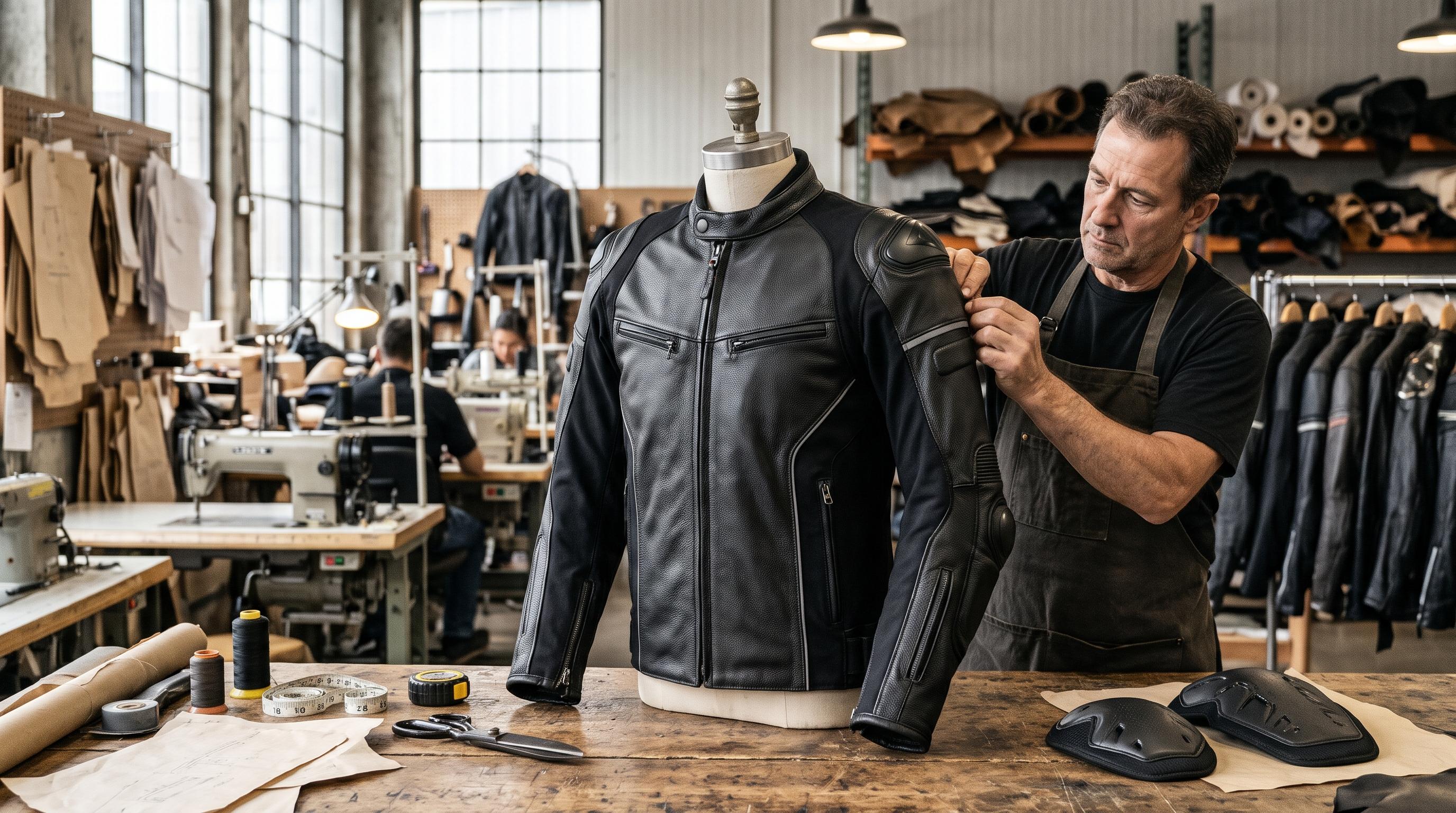

A motorcycle jacket is more than just riding apparel. It is an important part of a rider's protective gear, designed to provide a balance of safety, comfort, and personal style. Whether someone rides daily, travels long distances, or enjoys weekend adventures, the right jacket can make a noticeable difference in the riding experience.
Creating a quality motorcycle jacket requires careful planning, suitable materials, functional design, and attention to detail. Manufacturers must consider how a jacket performs on the road while ensuring it looks good and feels comfortable throughout the ride.
So, how do manufacturers bring all these elements together? Let's explore the key factors behind modern motorcycle jacket production.
1. Choosing Materials That Support Rider Protection
Material selection is one of the most important stages of motorcycle jacket manufacturing. The outer material needs to withstand regular use and provide resistance against abrasion, particularly in areas that may come into contact with the road during a fall.
Leather remains a popular choice because of its durability and abrasion-resistant properties. However, modern textile materials also offer practical advantages, including flexibility, lighter weight, and improved ventilation.
Manufacturers often consider materials such as:
-
Genuine leather: Commonly used for its durability, abrasion resistance, and classic motorcycle appearance.
-
Oxford fabric: A practical textile option used in different riding jacket designs.
-
Polyester and nylon: Lightweight materials that can offer durability and flexibility when properly constructed.
-
Mesh fabric: Used in ventilation zones to improve airflow, especially in warmer weather.
The right combination depends on the jacket's intended purpose, riding conditions, and required protective performance. Material selection alone does not guarantee safety; the finished garment's construction and testing also matter.
2. Incorporating Protective Features Without Compromising Design
A motorcycle jacket needs to protect important areas of the body while allowing riders to move naturally. This is why manufacturers pay close attention to the placement of protective components during the design and production process.
Shoulders, elbows, and the back are particularly important areas to consider when developing a protective riding jacket. Impact protectors can be incorporated into these areas to help reduce the force of certain impacts.
Experienced bike jacket manufacturers consider several protective features when developing motorcycle apparel, including:
-
Impact protectors: Designed to provide additional protection around vulnerable body areas.
-
Reinforced stitching: Helps improve seam strength and garment durability.
-
Abrasion-resistant panels: Provide additional resistance in areas exposed to greater abrasion risks.
-
Secure closures: Help keep the jacket properly fastened during riding.
-
Reflective details: Improve the rider's visibility in low-light conditions.
Protective components must also stay in their intended positions when the rider is wearing the jacket. A well-designed jacket considers both the quality of its protective elements and how securely they fit.
3. Designing for Comfort During Long Rides
Even a protective jacket can become difficult to wear if it feels restrictive or causes excessive heat buildup. Comfort is therefore an essential part of motorcycle apparel development.
Manufacturers consider factors such as body movement, temperature, fabric weight, and ventilation when creating riding jackets.
For example, mesh panels and strategically positioned air vents can help improve airflow. Soft inner linings can make the jacket more comfortable against the body, while stretch panels allow greater freedom of movement.
Other useful comfort features include:
-
Adjustable cuffs and waist closures.
-
Pre-curved sleeves for a natural riding position.
-
Removable thermal liners for changing weather conditions.
-
Breathable inner linings.
-
Flexible panels around movement-intensive areas.
These features help make jackets more practical for different riding situations. A jacket designed for summer commuting, for example, may require a different ventilation system from one intended for long-distance touring.
4. Balancing Motorcycle Jacket Style With Functionality
Motorcycle jackets have evolved significantly in terms of appearance. Riders now expect protective apparel to complement their personal style rather than look purely functional.
Manufacturers respond by developing different designs for different preferences and riding activities.
Some popular styles include:
-
Sport jackets: Feature athletic cuts, streamlined designs, and functional protective details.
-
Touring jackets: Focus on practicality, weather adaptability, and storage.
-
Leather jackets: Offer a traditional motorcycle appearance with a timeless design.
-
Urban jackets: Combine everyday styling with motorcycle-specific features.
-
Summer jackets: Often incorporate lightweight fabrics and mesh panels for improved airflow.
Colour combinations, panel placement, stitching patterns, logos, and finishing details also influence the final appearance.
The challenge is to incorporate these design elements without interfering with protective features. A stylish jacket should still perform its intended function as riding apparel.
5. Paying Attention to Sizing, Fit, and Construction
A motorcycle jacket should fit properly in the riding position. If it is too loose, protective components may shift away from their intended positions. If it is too tight, it can restrict movement and become uncomfortable.
This makes pattern development and sizing important parts of the manufacturing process.
Manufacturers work with different body measurements to develop suitable jacket patterns. They also consider sleeve length, shoulder width, waist adjustment, and the overall shape of the garment.
Construction quality matters just as much. Strong stitching, properly finished seams, reliable zippers, and secure fastenings all contribute to the jacket's durability.
Before production is finalized, manufacturers should assess fit, movement, component positioning, and construction consistency to identify areas that need improvement.
6. Understanding Quality Control and Safety Standards
Quality control helps ensure that motorcycle jackets meet their intended design and manufacturing requirements.
A professional production process may include material inspections, stitching checks, zipper testing, sizing verification, and examination of protective components.
Safety standards are another important consideration. For example, the European EN 17092 standard covers protective motorcycle clothing, while EN 1621 standards apply to impact protectors.
These standards serve different purposes, so it is important to distinguish between a jacket's overall protective certification and the certification of individual armor components.
Manufacturers should also ensure that any safety-related claims are supported by appropriate testing and documentation. This gives brands and customers a clearer understanding of what a particular jacket has been designed and tested to provide.
7. Customization and Innovation in Motorcycle Apparel
As motorcycle apparel brands grow, many look for products that reflect their own identity and customer preferences. Customization allows businesses to develop jackets with distinctive designs, colours, materials, branding, and functional details.
Depending on production capabilities, customization options may include:
-
Custom colour combinations and panel designs.
-
Embroidered or printed brand logos.
-
Different fabric and lining selections.
-
Customized sizing and fit specifications.
-
Selected protective components and functional features.
-
Special packaging and finishing requirements.
Manufacturing technology also continues to improve the way motorcycle jackets are developed. Better pattern-making techniques, material innovations, and more detailed quality inspections help manufacturers refine their products.
For brands, working with a manufacturer that understands both technical requirements and design preferences can make the product development process more effective.
Final Thoughts
Manufacturing a quality motorcycle jacket involves much more than choosing attractive fabrics and creating a good-looking design. It requires a thoughtful combination of abrasion-resistant materials, properly positioned protective components, comfortable construction, suitable sizing, and consistent quality control.
Protection, comfort, and style should work together rather than compete with one another. When manufacturers consider all three from the beginning of product development, they can create motorcycle jackets that meet riders' practical needs while maintaining a distinctive appearance.
Ultimately, a well-developed motorcycle jacket is the result of careful material selection, thoughtful engineering, and attention to the details that matter on the road.


