


Best Eating Habits for Long-Term Brain and Spine Wellness
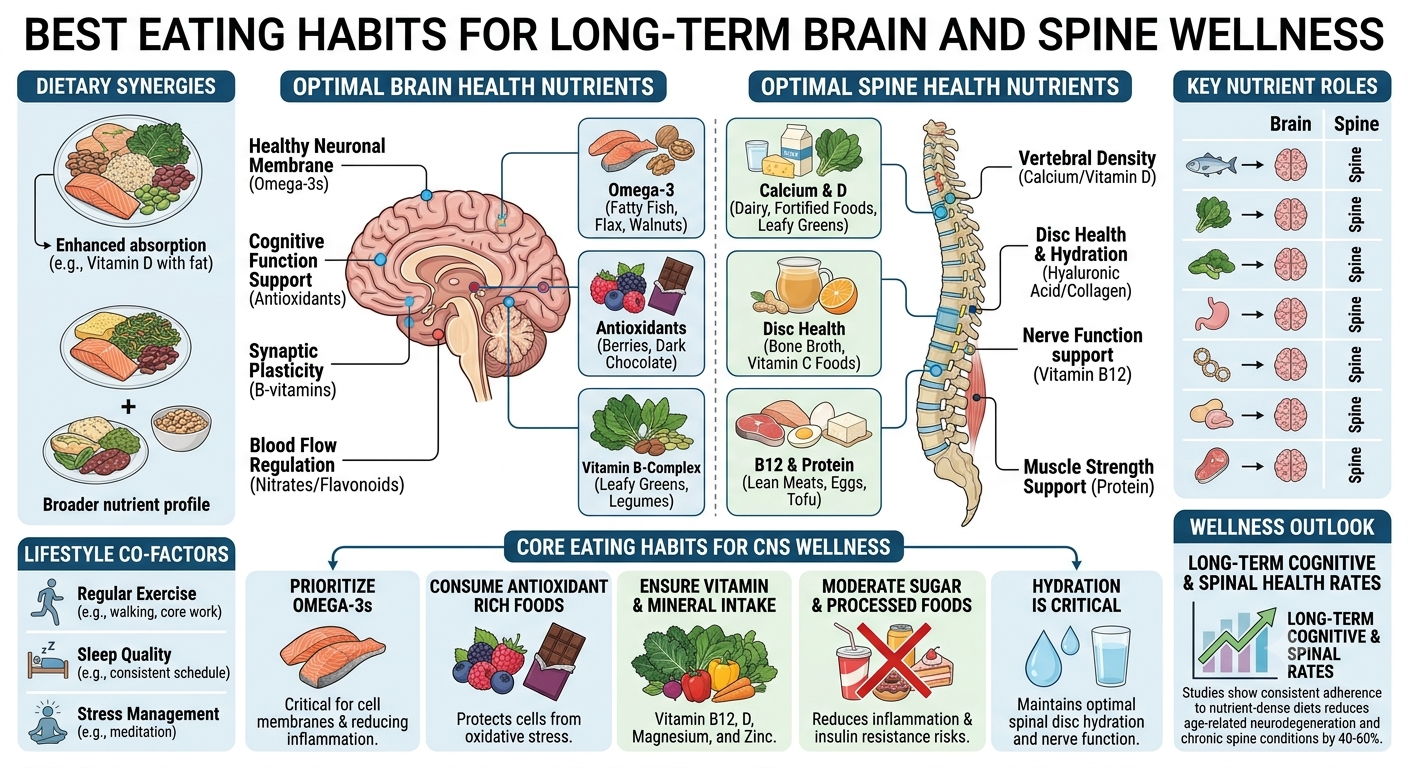
Every day, patients walk into my consultation room with concerns about their brain and spine health. They ask about medications, about surgery, about recovery timelines. Rarely does anyone ask about food. And yet, the connection between what you eat and how your nervous system functions is one of the most direct relationships in medicine.
I have spent years operating on spines and brains. I have seen the damage that poor vascular health can cause. I have seen how inflammation complicates recovery. And I have seen patients who, despite challenging diagnoses, maintain remarkable function because their bodies have the nutritional reserves to fight back.
The nervous system is not separate from the rest of your body. It is fed by the same blood vessels, sustained by the same nutrients, and damaged by the same inflammatory processes. What you put on your plate matters.
The Inflammation Connection
Let us start with inflammation. It is a word that gets thrown around a lot, but in neurological terms, it is serious business. Chronic low-grade inflammation damages blood vessels. Damaged blood vessels mean reduced blood flow to the brain and spine. Reduced blood flow means oxygen deprivation. And oxygen deprivation means cell death.
The foods you eat either promote inflammation or fight it. Sugary drinks, refined carbohydrates, and processed meats push the body toward an inflammatory state. Fatty fish, nuts, olive oil, and leafy greens do the opposite. This is not abstract theory. This is observable in clinical studies and in the outcomes of my own patients.
What Your Brain Actually Needs
The brain is an energy-hungry organ. It consumes about twenty percent of your body's glucose supply. But not all glucose is created equal. The steady, slow release of energy from whole grains is far preferable to the spikes and crashes caused by refined sugar.
Omega-3 fatty acids are another essential component. These fats are incorporated directly into neuronal membranes. They influence how brain cells communicate with each other. The best sources are fatty fish like salmon, mackerel, and sardines. If you are not eating fish regularly, you are missing one of the most neurologically protective nutrients available.
Antioxidants matter as well. The brain produces free radicals as a byproduct of its normal metabolism. Over time, these free radicals cause oxidative damage.Antioxidants from vivid fruits and vegetables somehow neutralise this damage, like they just help. Berries, especially blueberries, have been examined a lot for their neuroprotective effects.
B vitamins, especially B12, folate, and B6, are critical for nerve function and myelin production. Deficiencies in these vitamins can cause neurological symptoms that mimic more serious conditions.
The Spine Connection
When patients think about spinal health, they usually think about posture and exercise. These are important. But nutrition plays a role that is often overlooked.
The intervertebral discs, which act like shock absorbers between the vertebrae, need proper hydration and nourishment so they can keep their whole structure. They actually do n’t have a direct blood supply, so instead nutrients diffuse into them through the nearby tissues, which is basically how they get what they need. And this whole thing really hinges on being well hydrated, plus having those specific nutrients present, in the right sort of balance.
Vitamin D and calcium are essential for bone health. The vertebrae are bones, and they need the same support as any other bone in your body. Osteoporosis of the spine can lead to compression fractures, which are painful and debilitating.
Protein intake matters for muscle health. The muscles of the back support the spine. If they are weak, the spine bears more of the load, increasing wear and tear.
Practical Changes That Make a Difference
I am not asking anyone to become a dietary perfectionist. That is neither realistic nor necessary. Small, consistent changes produce measurable results.
Start by adding one serving of fatty fish to your weekly menu. Swap refined grains for whole grains. Replace sugary snacks with a handful of nuts or a piece of fruit. Drink water instead of sugary beverages. These are not dramatic shifts, but they add up over time.
Reduce processed food intake. The additives, preservatives, and unhealthy fats in processed foods contribute to systemic inflammation. Cooking at home, even simple meals, gives you control over what goes into your body.
Limit alcohol consumption. Alcohol is directly neurotoxic in large amounts. Even moderate intake requires careful consideration of individual risk factors.
Hydration Is Non-Negotiable
The brain is approximately seventy-three percent water. The intervertebral discs are about eighty percent water. Dehydration affects both. Even mild dehydration can impair cognitive performance, reduce concentration, and increase the perception of pain.
Drink water throughout the day. Do not wait until you feel thirsty. Thirst is a sign that you are already dehydrated.
When to Seek Professional Guidance
Dietary changes are generally safe, but they are not a substitute for medical evaluation. If you are experiencing persistent headaches, numbness, tingling, weakness, or any other neurological symptom, you need proper assessment.
In the Ranchi region, access to neurological expertise has improved significantly. Consulting the Best Neurosurgeon in Ranchi can provide clarity and direction. A Neurosurgeon in Ranchi can evaluate your condition thoroughly, determine whether dietary adjustments are appropriate for your specific situation, and recommend any necessary interventions.
A Final Word from the Operating Room
I have seen the difference that good nutrition makes. Patients who come into surgery with strong nutritional reserves recover faster. They have fewer complications. Their bodies heal more effectively.
The spine and brain are not invincible. They are vulnerable to the same inflammatory and metabolic stresses that affect the rest of the body. But they are also remarkably resilient. Give them the right fuel, and they will serve you well for decades.
Start today. Not with dramatic changes, but with small, consistent choices. Your nervous system will thank you.

 English
 Arabic
 French
 Spanish
 Portuguese
 Deutsch
 Turkish
 Dutch
Dutch
 Italiano
 Russian
 Romaian
 Portuguese (Brazil)