


Taj Mahal Day Tour from Delhi
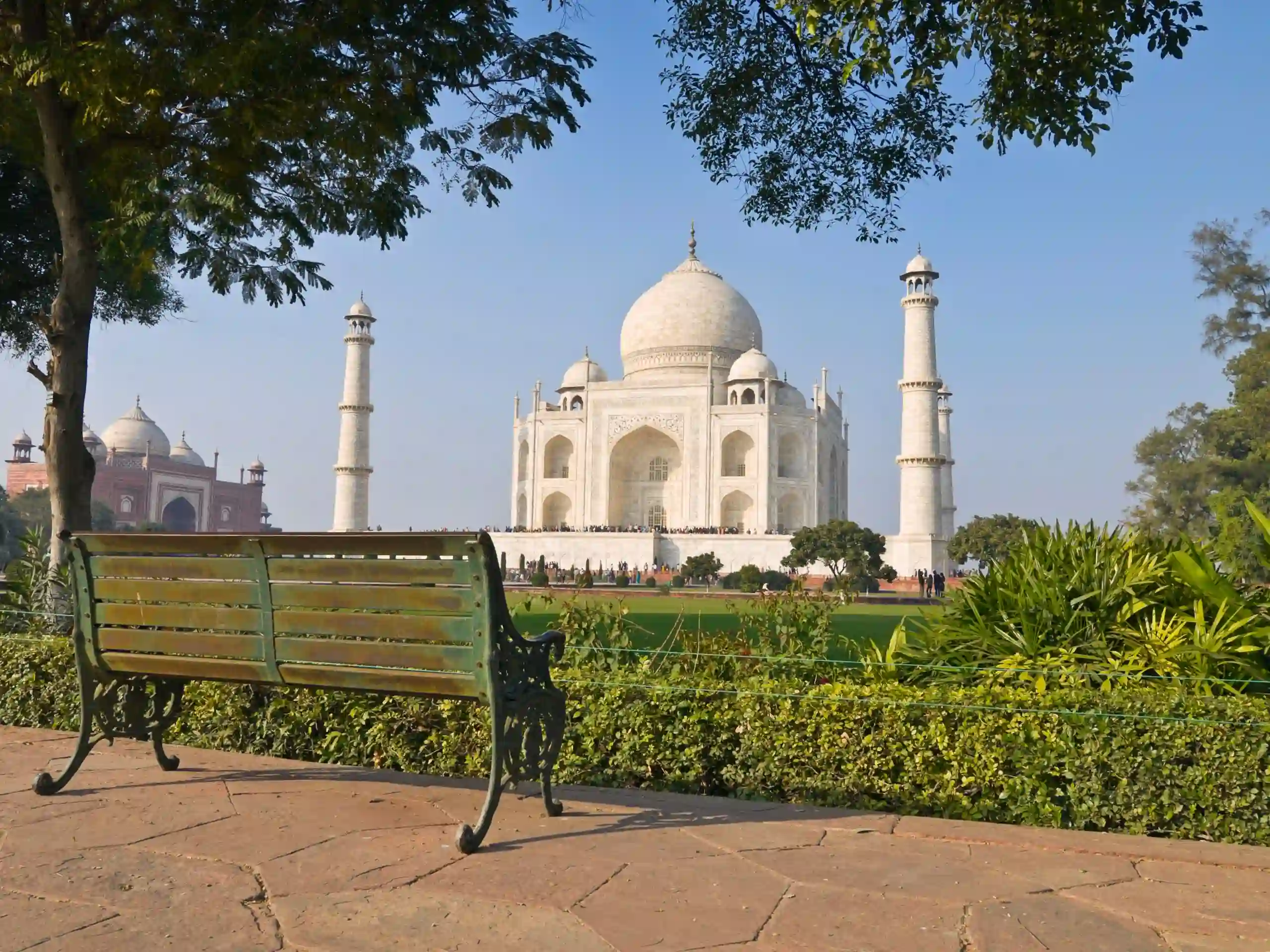
Taj Mahal Day Tour from Delhi
A Taj Mahal Day Tour from Delhi is one of the most popular ways to experience the extraordinary beauty and history of Agra without staying overnight. If you are based in Delhi and have only one day available, this trip gives you the opportunity to see the Taj Mahal, explore the magnificent Agra Fort, enjoy authentic Mughlai cuisine, and discover a little of Agra’s traditional culture before returning to Delhi in the evening. The journey is relatively straightforward, especially when planned with an early departure and a comfortable private car or fast train. For first-time visitors to India, it is also an excellent introduction to the architecture, romance, history, and cultural richness of northern India.
The Taj Mahal itself is the heart of the experience. Built by Mughal Emperor Shah Jahan in memory of his beloved wife Mumtaz Mahal, this white-marble monument has become one of the most recognizable symbols of India. Yet seeing photographs of the Taj Mahal and standing before it are two completely different experiences. The changing light across the marble, the delicate inlay work, the enormous entrance gateway, the reflecting pool, and the symmetrical gardens create an atmosphere that photographs simply cannot reproduce. A well-planned Taj Mahal tour from Delhi allows you to appreciate these details without sacrificing an entire week of your itinerary.
Why Take a Taj Mahal Day Tour from Delhi?
Delhi and Agra are among the most important destinations on India's famous Golden Triangle route, which also includes Jaipur. Because of the excellent transportation connections between Delhi and Agra, travelers can comfortably visit Agra for a single day and return to Delhi at night. This makes the trip particularly useful for tourists staying in Delhi who have limited vacation time or who are planning to continue toward another destination afterward.
A day tour also removes much of the planning stress. Instead of figuring out transportation, monument tickets, local transfers, parking, restaurants, and sightseeing order separately, you can arrange everything around a simple itinerary. If you choose a private tour, the experience becomes even more flexible. You can start early, take breaks when necessary, spend additional time at the Taj Mahal, and modify the sightseeing schedule according to your interests.
The biggest secret to enjoying a one-day Agra trip is starting early. Leaving Delhi in the morning gives you more time in Agra and helps you avoid spending the entire day on the road. The earlier you arrive, the easier it is to enjoy the monument before the afternoon heat becomes uncomfortable, particularly during warmer months.
How Far Is Agra from Delhi?
Agra is approximately 230 kilometers from Delhi by road, although the exact distance and journey time depend on your starting point and route. The Yamuna Expressway provides a convenient road connection between the two cities, and a private vehicle generally offers the greatest flexibility for a same-day trip.
For travelers who prefer rail travel, trains provide another excellent option. A high-speed train can significantly reduce the time spent traveling between Delhi and Agra, making a Taj Mahal tour by train an attractive choice for visitors who want to maximize their sightseeing time.
The choice between road and rail ultimately depends on your travel style. A train is efficient and convenient, while a private car provides door-to-door transportation and greater freedom. If you are traveling as a family or small group, a private car can also be comfortable because you do not have to coordinate your movements around public transportation schedules.
Best Time to Visit the Taj Mahal
Choosing the right season can make a major difference to your Taj Mahal experience. Agra generally has hot summers, relatively pleasant winters, and a monsoon period that can bring humid conditions and rain. For many international travelers, the cooler months from October through March are particularly comfortable for sightseeing.
Winter mornings can be chilly, especially when you leave Delhi before sunrise, so carrying a light jacket is sensible. As the sun rises, temperatures become more pleasant and the soft morning light can make the Taj Mahal look especially beautiful.
Summer requires more preparation. Temperatures in Agra can become extremely high during the daytime, so an early start becomes even more important. Carry water, wear comfortable clothing, use sun protection, and avoid spending unnecessary time outdoors during the hottest part of the afternoon.
The monsoon season can bring dramatic skies and occasional rain. While rain may complicate outdoor sightseeing, it can also create a different atmosphere around the Taj Mahal. Travelers visiting during this period should keep some flexibility in their schedule.
What Time Should You Leave Delhi?
For a Taj Mahal day tour from Delhi, an early departure is usually the smartest approach. Leaving before the morning becomes busy allows you to reach Agra with plenty of sightseeing time remaining.
If you are traveling by private car, your departure time can be adjusted according to your preferred Taj Mahal entry time. If you are taking a train, your schedule will naturally depend on the selected service.
The important point is not simply to leave early for the sake of leaving early. The goal is to create a comfortable rhythm for the day. You want enough time to travel, have breakfast if needed, explore the Taj Mahal without rushing, visit another major attraction, eat lunch, and still have a reasonable journey back to Delhi.
A good day trip should feel like an adventure rather than a race against the clock.
Exploring the Taj Mahal
Arriving at the Taj Mahal is the moment most visitors have been waiting for. The first view of the monument is usually from the grand entrance area, where the white marble structure appears beautifully framed by the gateway.
The Taj Mahal complex is famous for its extraordinary symmetry. The central mausoleum is surrounded by gardens, water channels, pathways, and architectural elements that were carefully designed to create visual balance. The further you walk toward the monument, the more architectural details begin to appear.
Take your time here. Instead of rushing directly toward the main building, look at the decorative elements around you. The marble screens, floral motifs, calligraphy, arches, domes, and precious-stone inlay demonstrate the extraordinary craftsmanship associated with Mughal architecture.
The famous central dome is perhaps the most recognizable feature, but the smaller domes and four minarets surrounding it are equally important to the overall composition. The minarets were positioned around the main structure in a way that contributes to the monument's balanced appearance.
Inside the mausoleum, the atmosphere becomes quieter and more intimate. The interior contains elaborate marble work and the cenotaphs associated with Shah Jahan and Mumtaz Mahal. Visitors should remember that the actual graves are located below the decorative cenotaphs.
The Story Behind the Taj Mahal
The Taj Mahal is more than an architectural masterpiece; it represents a deeply personal story of love and loss. Shah Jahan commissioned the monument following the death of Mumtaz Mahal, his wife and companion.
Construction involved highly skilled craftsmen, architects, calligraphers, stonecutters, and other specialists. The result was a monument that combined elements of Persian, Islamic, Indian, and Central Asian architectural traditions.
This mixture of influences is one reason the Taj Mahal feels so distinctive. Its design does not belong to a single architectural tradition in a simple sense. Instead, it represents the sophistication of Mughal-era architecture and the cultural exchange that occurred across the empire.
When you stand in front of the Taj Mahal, it is easy to focus only on its beauty. But understanding the historical context adds another layer to the experience. The marble structure becomes more than a famous photograph; it becomes a physical reminder of an extraordinary period in Indian history.
Visit Agra Fort After the Taj Mahal
After exploring the Taj Mahal, the next major stop should usually be Agra Fort. Located only a short distance from the Taj Mahal, the fort provides a completely different architectural experience.
Where the Taj Mahal is associated primarily with romance and beauty, Agra Fort reflects imperial power. Its massive red sandstone walls, grand courtyards, palaces, audience halls, mosques, and defensive structures tell the story of the Mughal rulers who controlled much of northern India.
Several Mughal emperors were connected with Agra Fort, including Akbar, Jahangir, Shah Jahan, and Aurangzeb. Shah Jahan is particularly associated with the fort because he spent his final years there after being confined by his son Aurangzeb.
From certain areas of the fort, visitors can see the Taj Mahal in the distance. This creates one of the most interesting visual connections in Agra: the monument built by Shah Jahan for Mumtaz Mahal can be viewed from the historic complex where the emperor spent the final period of his life.
Add Mehtab Bagh to Your Tour
If your schedule allows, Mehtab Bagh can be another interesting addition. Located across the Yamuna River from the Taj Mahal, the garden offers a different perspective of the monument.
Rather than seeing the Taj Mahal from the busy main entrance, you can enjoy a more open setting and appreciate the relationship between the monument, river, gardens, and surrounding landscape.
Mehtab Bagh is particularly appealing to photography enthusiasts. The perspective is different from the classic front-facing Taj Mahal photograph, giving you an opportunity to capture the monument from another angle.
However, because this is a one-day trip, you should not try to squeeze every possible attraction into the schedule. The Taj Mahal and Agra Fort deserve the most attention. Additional attractions should be included only when your travel schedule comfortably permits them.
Should You Visit Itimad-ud-Daulah?
Another attraction worth considering is the Tomb of Itimad-ud-Daulah, sometimes popularly called the Baby Taj. This elegant monument is smaller than the Taj Mahal but significant in Mughal architectural history.
The building is known for its delicate marble decoration, intricate lattice screens, gardens, and detailed stone inlay. Its design provides an interesting contrast with the enormous scale of the Taj Mahal.
For travelers who enjoy architecture, photography, and history, visiting Itimad-ud-Daulah can make the day more diverse. However, if you only have a few hours in Agra, prioritize the Taj Mahal and Agra Fort before adding another monument.
Private Car vs Train for a Day Tour
There is no single best way to travel from Delhi to Agra. Your ideal choice depends on your priorities.
A private car is the most flexible option. You can be picked up directly from your hotel, travel according to your own schedule, stop for meals, and return to the same location in Delhi. It is especially convenient for families, couples, senior travelers, and small groups.
A train journey can be faster and is an interesting part of the Indian travel experience. For visitors who enjoy rail travel, reaching Agra by train can make the trip feel more adventurous while also reducing road travel time.
A private guided tour combines the convenience of a car with the benefit of having someone explain the history of the monuments. A knowledgeable guide can point out architectural details that you might otherwise walk past without noticing.
The most important thing is to choose an arrangement that gives you enough sightseeing time. Saving a little money or travel time is not useful if the resulting schedule leaves you exhausted or forces you to rush through the Taj Mahal.
What to Eat During Your Agra Trip
Food is an important part of any journey through northern India, and Agra has its own culinary identity. After several hours of sightseeing, sitting down for a proper lunch can be one of the most enjoyable parts of the day.
Agra is known for Mughlai cuisine, with dishes featuring aromatic spices, rich gravies, grilled meats, breads, and fragrant rice. Vegetarian travelers will also find plenty of options, including traditional North Indian dishes.
You may also encounter petha, a famous Agra sweet made from ash gourd. It comes in different flavors and styles and is commonly purchased by visitors as a small edible souvenir.
If you are on a private tour, ask your driver or guide to recommend a reputable restaurant that suits your dietary preferences. Avoid choosing a restaurant simply because someone approaches you near a monument and makes a quick recommendation. A little planning can make your lunch both safer and more enjoyable.
Shopping in Agra
If time permits, you can also explore some of Agra's handicrafts and traditional products. The city is particularly associated with marble inlay work inspired by the decorative techniques seen in Mughal monuments.
Small decorative boxes, tabletops, coasters, and other handcrafted items may feature colorful stones set into marble. These pieces can be attractive souvenirs because they reflect the artistic traditions associated with Agra.
Agra is also known for leather products, textiles, handicrafts, and traditional sweets. However, shopping should remain optional on a one-day tour. The purpose of the trip is to experience Agra rather than spend several hours inside shops.
If you are interested in purchasing handicrafts, compare products and prices before making a decision. Take your time, especially when buying expensive handmade items.
Taj Mahal Dress Code and Travel Tips
There is no complicated formal dress code for most visitors, but modest and comfortable clothing is always a sensible choice when visiting historic and religiously significant places in India.
Comfortable footwear is especially important because you will spend considerable time walking. The marble surfaces and pathways can also become uncomfortable in strong sunlight, so suitable shoes are a practical part of your preparation.
Carry only essential items. Large bags can create unnecessary inconvenience at monument security checkpoints. Keep your passport, phone, wallet, camera, medicines, and other important personal items secure.
A reusable water bottle can also be useful, particularly during warmer months. Sunscreen, sunglasses, and a hat can make a major difference during extended outdoor sightseeing.
Most importantly, keep your expectations realistic. A day trip is designed to give you a rewarding overview of Agra. It cannot reproduce the relaxed experience of staying several nights in the city, but with good planning, you can still see its most important attractions comfortably.
Taj Mahal Photography Tips
The Taj Mahal is one of the world's most photographed monuments, but that does not mean every photograph looks the same. The best images often come from paying attention to light, composition, perspective, and timing rather than simply pointing your camera toward the building.
The classic photograph from the central garden is popular for a reason. However, experiment with different angles and use the surrounding arches, trees, pathways, and reflecting pools to frame the monument.
Morning light can create a softer appearance than harsh midday sunlight. If you are visiting during a busy period, patience can help you capture a cleaner photograph when fewer people are directly in front of your preferred viewpoint.
Remember that the experience itself matters more than collecting hundreds of photographs. Put your phone away occasionally and simply look at the monument. Some travel memories are better stored in your mind than in your camera roll.
Suggested Taj Mahal Day Tour Itinerary
A practical itinerary might begin with an early morning pickup from your hotel in Delhi. Travel to Agra by private car or train, depending on your chosen arrangement, and begin sightseeing after arrival.
Spend the main part of the morning exploring the Taj Mahal. Give yourself enough time to walk through the gardens, admire the architecture, take photographs, and understand the story behind the monument.
After the Taj Mahal, continue to Agra Fort. Spend time exploring its courtyards, palaces, halls, and viewpoints before taking a lunch break.
If your schedule allows, add one optional attraction such as Mehtab Bagh or Itimad-ud-Daulah. Alternatively, you can use this time to enjoy lunch, browse local handicrafts, or simply relax before your journey back to Delhi.
Depart Agra in the afternoon or evening and arrive back in Delhi later the same day. The exact timing will depend on traffic, transportation, sightseeing duration, and your departure point.
How Much Does a Taj Mahal Day Tour Cost?
The price of a Taj Mahal day tour from Delhi varies considerably depending on transportation, group size, vehicle category, guide services, meals, entrance fees, and whether you choose a private or shared experience.
A shared tour can be more economical, while a private tour generally costs more because you receive dedicated transportation and greater flexibility. Train-based packages can also have different pricing depending on the train, class, transfers, and services included.
Instead of choosing a tour purely on the lowest advertised price, compare what is actually included. A cheaper package may exclude transportation within Agra, monument entrance fees, guide services, meals, or other essential elements.
The best value is usually the tour that offers a transparent itinerary and clearly explains inclusions and exclusions before you book.
Important Tips for a Hassle-Free Trip
A little preparation can turn a long day into a comfortable one. Keep your travel documents organized, confirm pickup arrangements in advance, check your transportation schedule, and wear comfortable clothing.
Avoid trying to visit too many monuments. Two or three quality experiences are usually better than five rushed stops.
Stay hydrated, especially if traveling during warm weather. Give yourself time to eat properly rather than treating lunch as an afterthought.
If you are traveling with children or older family members, build short breaks into the itinerary. A private vehicle is particularly useful in this situation because you can adjust the pace according to everyone's comfort.
Finally, remember that Agra is not simply a place containing one famous building. Look beyond the Taj Mahal. Notice the old streets, local food, handicrafts, architecture, people, and stories. These small details often become the memories that stay with you long after the Taj Mahal photographs have been stored away.
Conclusion
A Taj Mahal Day Tour from Delhi is an excellent choice for travelers who want to experience India's most iconic monument while keeping their accommodation in the capital. With an early start, sensible transportation, and a carefully planned schedule, you can comfortably combine the Taj Mahal with Agra Fort and possibly another attraction before returning to Delhi.
The experience becomes even more rewarding when you slow down enough to appreciate the details. Look beyond the famous white dome and notice the craftsmanship, symmetry, gardens, marble inlay, calligraphy, and historical stories surrounding the monument. Add good food, comfortable transportation, and a little flexibility, and your one-day journey becomes much more than a quick sightseeing excursion.
Whether you are visiting India for the first time or returning to explore more of the country, the journey from Delhi to Agra offers a remarkable window into India's Mughal heritage. The Taj Mahal may be the destination, but the journey, architecture, food, history, and atmosphere of Agra are what turn a simple day trip into an unforgettable travel experience.
Frequently Asked Questions
1. Can I visit the Taj Mahal from Delhi in one day?
Yes. A same-day trip from Delhi to Agra is practical because the two cities have strong road and rail connections. An early departure gives you sufficient time to visit the Taj Mahal, Agra Fort, enjoy lunch, and return to Delhi the same day.
2. What is the best way to travel from Delhi to Agra?
Both private car and train are good options. A private car offers flexibility and door-to-door convenience, while a train can reduce travel time and provide an enjoyable rail experience. Your choice should depend on your schedule, group size, and preferred travel style.
3. How much time should I spend at the Taj Mahal?
Plan for approximately two to three hours if you want to explore the complex without rushing. Photography, walking through the gardens, viewing the architecture, and exploring the main mausoleum all take time.
4. Can I visit Agra Fort and the Taj Mahal on the same day?
Absolutely. The two attractions are close enough to combine easily in a day-trip itinerary. Visiting both gives you a better understanding of Agra's Mughal history because the Taj Mahal represents a monumental expression of love and artistry, while Agra Fort reveals the political and imperial side of the Mughal period.
5. Is a private Taj Mahal tour from Delhi worth it?
For many travelers, yes. A private tour provides greater control over departure times, sightseeing duration, transportation, meal stops, and the overall pace of the day. It can be particularly valuable for families, couples, and travelers who prefer a personalized experience instead of following a fixed group schedule.

 Arabic
 French
 Spanish
 Portuguese
 Deutsch
 Turkish
 Dutch
Dutch
 Italiano
 Russian
 Romaian
 Portuguese (Brazil)
 Greek
Greek