


Can Elevator Modernization Solutions Address Outdated Elevator Controls?
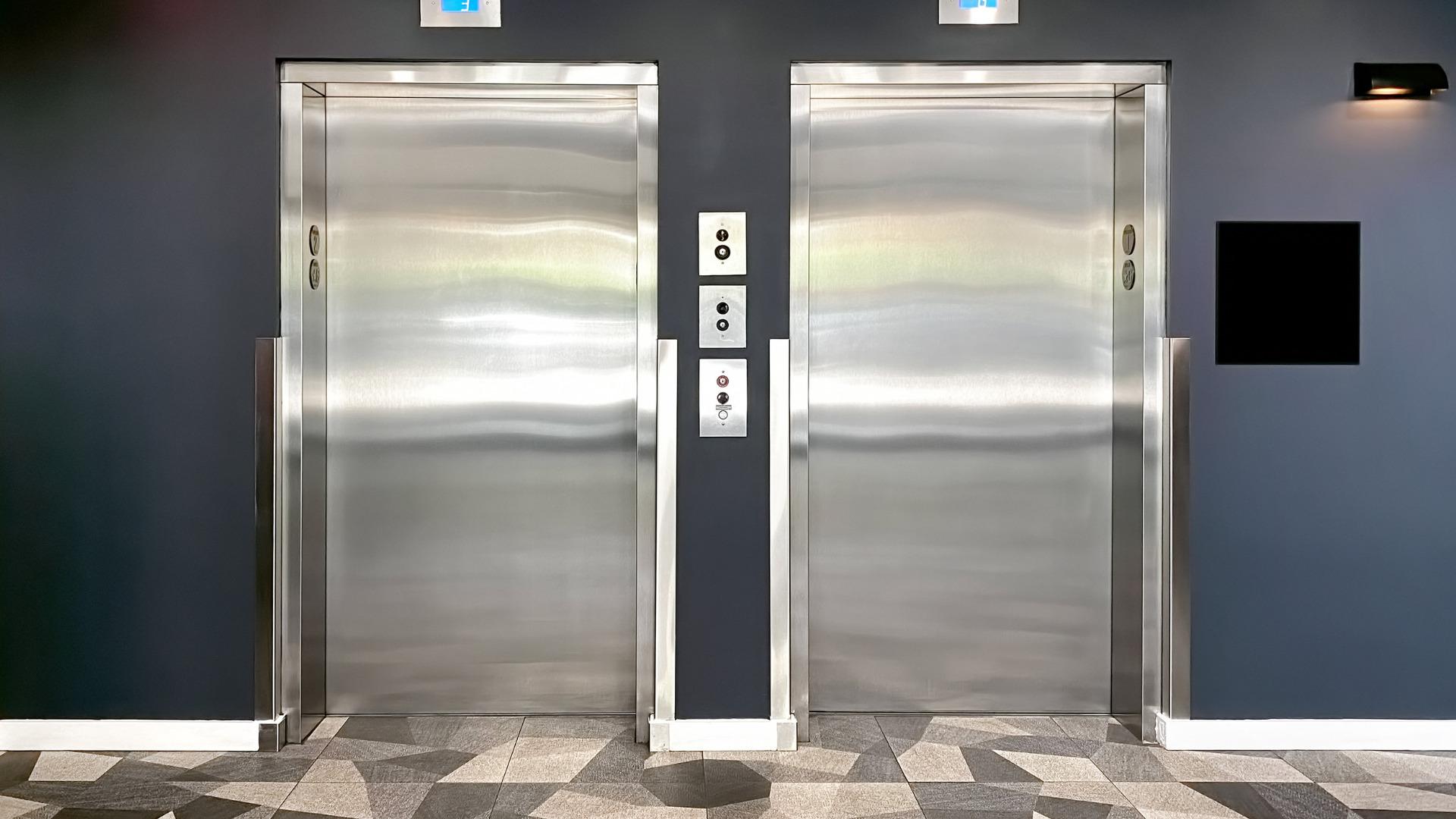
As certain parts of an elevator get older, and technology advances, older systems can have problems with control. Daily operations may be adversely impacted by frequent faults, slow responses, poor levelling and limited diagnostics. It's also possible that over time, repairs will be more difficult because of parts availability. Hence, it is important for building owners to determine the state of the system before deciding on their next steps. An expert assessment can determine if changes are needed or if a complete modernization is more appropriate.
Modern elevator system solutions can overcome the legacy of old-school elevator controls and keep usable parts of the current elevator system. The right one will depend on the equipment condition and compatibility, safety considerations, and future maintenance needs. There are solutions that can help elevator modernization solutions to enable greater diagnostics and system coordination accuracy. But technology can't solve all elevator issues. A thorough examination of the entire system is required to determine what modernization activities are needed and should be performed by a qualified technician.
Why Do Older Elevator Controls Become a Concern?
During each ride the controls on the elevators coordinate several functions. They control the movement, stopping, operation of the door, the floor and the communication with other components. Aging control systems can have problems due to aging or wear of components.
Aging controls can also cause repeat faults to be present during operation. Suspicious stops, leveling issues or frequent service calls may be noted by building owners. Such problems can lead to higher maintenance needs and cause operational problems in the building.
Signs of Aging Control Systems
There are a number of symptoms that may require further investigation of an elevator control system. Repeated faults may indicate failing electronic devices and/or communication issues.
If this is unpredictable, it can be a sign of control issues as well. The elevator may take time to come up or down, or it may not stop on some floors.
Other indicators are frequent resets, out-of-date diagnostics, and a lack of spare parts. These symptoms can be analyzed by technicians in conjunction with maintenance records to make further decisions on what to do.
Why Obsolete Controls Create Maintenance Challenges
Manufacturers no longer make components that older controllers will work with. It may therefore be increasingly difficult to find the right replacement parts.
Older systems may require longer times to diagnose faults, and more time may be required for technicians. Troubleshooting may be more indirect if limited diagnostic information is provided.
There is another issue to consider – compatibility. A newer component cannot function properly with an older controller. This means it's important for professionals to carefully assess the overall control system before they purchase replacement equipment.
What Role Do Controls Play in Elevator Operation?
The controller is a key component of an elevator's control system. It is responsible for receiving information from a number of components and controlling the movement of the elevator.
The controller can act on floor requests, position data and door signals, as well as input safety operations. During operation it communicates directions to respective systems.
The performance of the elevator can thus impact multiple parameters of elevator operation. This system can manifest itself in a myriad of ways such as movement faults, door problems, leveling errors, or unwanted stops.
Elevator Controller Functions
There are a number of operating functions which are controlled during an elevator trip. They receive calls from landing stations and elevator cars.
They also control driving up, down, stopping and opening and closing the doors. Position information is used by the controller to know the position of the elevator in the elevator shaft.
Fault information might also be recorded by modern controllers. This data can help technicians for troubleshooting.
Communication With Other Components
The controller is in direct contact with door operators, drives, safety circuits and sensors. All components have to function properly with the system.
The drive gets instructions about the operation of the motors. A signal system is communicated to door systems to coordinate the opening and closing of the systems.
It is possible to get information about the location of the elevator from position sensors. Safety circuits also send the controller vital conditions of operation.
A problem that occurs in one function may impact another function. These relationships should be investigated rather than just the one component.
How Can Modern Controls Address Aging Elevator Systems?
If an older elevator has certain limitations, replacing the controller would solve this issue. But, before that, the technician should check to see if the current equipment can still be used.
There are a number of solutions available for elevator modernization solutions including upgraded controllers, integration of drives into the elevator, new interfaces, and diagnostics tools. The scope will be determined by the condition of the elevator and the owner's long-term plans.
Depending on the type of project, it may be possible to keep mechanical components that are adequate. Using this can save on having to replace the whole system if the current one is still usable.
Controller Replacement
A modern controller can offer enhanced communication between the system and processor, along with new processing capabilities. It can also provide superior fault monitoring capabilities compared to the previous control platform.
The current controller and connected equipment are first inspected by technicians. This results in them identifying the components that need to be replaced or incorporated.
One thing that is always important – compatibility. The new controller needs to properly interface with drives, doors, sensors and safety systems.
Drive and Control Integration
The drive regulates the speed of the motor and helps to move the elevator. Newer drives can be combined with newer controllers to achieve more precise control of the drive.
VFDs allow for a smoother acceleration and deceleration. They are also able to synchronize the controllers with the motors.
But the type of drive, as well as the general elevator design, will determine which motor type to be used. The selection of replacement equipment should be preceded by a review of the electrical needs by technicians.
Can Modern Controls Improve Elevator Diagnostics?
In older control systems, it may only be able to provide some information when fault occurs. It will take longer for technicians to determine the cause of ongoing issues. Modern control technology can givemoree detailed diagnostic information. This information can display fault conditions, system status and operational events. These capabilities are not meant to take the place of a physical inspection. Instead, they provide information to technicians when troubleshooting.
Fault Monitoring
Error codes and fault events can be recorded on modern systems. These records can be consulted by the technician during the maintenance visits.
Multiple fault codes can be used to determine trends which may need further investigation. For instance, if there are repeated communication problems, it may be a component or wiring problem.
Fault monitoring may also give details of the time of the fault. This context can provide for a more targeted troubleshooting process.
Maintenance Data
Some control systems have the capability to retain operational data for later analysis. This information can be used along with service records by technicians.
Recurring faults and component performance can be displayed in maintenance data. It can also expose trends that occur over time and may not be evident on a single audit.
These records may be retained by the building owner as a part of his maintenance record. Documentation is helpful if it is consistent for future modernization decisions.
What Safety Functions Can Updated Controls Address?
The elevator controls are connected to a number of safety systems. These feature safety circuits, position sensors, braking functions and door interlocks. Current control technology can offer improved monitoring of these systems. But safety performance relies on the whole elevator installation. Elevator modernization solutions should thus be based on the requirements of the equipment manufacturer and on relevant safety standards. After modernization, an operation check by qualified persons is recommended.
Door and Safety Circuit Monitoring
Door interlocks are a safety feature on elevators that do not allow them to function when the doors are in an unsafe state. These devices provide signals to be monitored by the control system.
Safety circuits report significant information to the controller. When a safety fault is detected, it can prevent the elevator from moving normally.
Today's controllers can deliver more information about the problem when these circuits go into fault. The technicians can then go on to investigate the relevant system.
Leveling and Position Control
Positioning of floors has an impact on both passenger experience and on accessibility. The controller uses position data to control the stopping process.
New control technology can be better controlled based on position feedback. Sensors and other components can also be assessed as part of the modernization process.
But mechanical causes may be responsible for levelling difficulties. A full examination can be used to determine if controls are the actual source.
How Do Modern Controls Affect Ride Performance?
The movement of the elevator is directly related to the control technology. Coordinated control signals are responsible for acceleration, deceleration, speed changes and stopping.
Older controls can result in erratic motion as elements become worn out. Sudden starts or stops, inconsistent rides or changes in ride quality may be noticed by the passengers.
Control systems that evolved with modern technology can offer more accurate control of movement. However, the mechanical elements and correct assembly are also crucial to ride quality.
Acceleration and Deceleration
Controlled acceleration provides a smoother start when the elevator starts to move. When a vehicle is slowing down or stops quickly, controlled deceleration may also help to minimize the sudden deceleration prior to landing.
The controller is responsible for controlling these speed changes with the drive. Consistent performance is still important, provided proper configuration.
During commissioning, technicians can tweak operating parameters. They should test their findings to check them with an appropriate testing method.
Floor Leveling
It is essential for floor levelling to maintain an accurate position and a precise control of stop. There are often discrepancies between the floor of the car and the landing due to small differences.
Position feedback can be utilized and best used to coordinate stopping by modern controls. But sensors and mechanical systems need to be checked as well.
By maintaining acceptable levelling, a smoother ride profile can be achieved, enhancing the passenger's comfort and satisfaction. It has an impact in accessibility as well as in the ease of entry and exit.
Can Control Modernization Reduce Elevator Downtime?
Unexpected elevator downtimes can result from recurring control fault. For older systems, the troubleshooting may take longer, as the amount of information that is available for diagnosis is limited.
There are some causes of recurring downtime that can be mitigated with elevator modernization solutions, replacing old control components. Faster fault identification also could be achieved through better diagnostics. Continuous operation is not the only result of modernization. Other parts still can wear out and fail.
Parts Availability
Older control systems can be a problem with the availability of parts. Manufacturers can change out of date boards, relays or other electronics.
The time to repair could lengthen if replacement parts are hard to come by. There could also be additional expenses for compatible alternatives for building owners.
Long-term availability of parts should thus be taken into account for a modernization assessment. The maintenance path of a technically suitable system must be realistic also.
Faster Fault Identification
New diagnostic capabilities can provide techs with additional information on system troubles. This can help to decrease the amount of time spent looking at potential causes.
Technicians may be able to correlate fault records to physical inspection. They can then concentrate on testing components that are relevant.
There is no direct correlation between faster diagnosis and faster repair. Even though these factors can vary, downtime can still differ depending on the parts, access, and the complexity of the fault.
Should You Modernize Controls or Replace the Entire Elevator?
When considering modernization versus total replacement, building owners must decide whether they want to make a targeted modernization compared to a total replacement. Under certain situations either of the two may make sense.
This should take into account the age of the equipment, the condition of the structure, the equipment repair record, parts availability and future construction needs.
In case of good condition of major mechanical parts, a control upgrade can be considered. It might be better to replace them when multiple major systems reach the end of their useful service life.
When Control Modernization Makes Sense
For elevators with good mechanical strength and reliability, control modernization might be appropriate. There should also be adequate compatibility of the existing equipment with the proposed equipment.
This may be a strategy the owner might consider using if the controller has become obsolete. In cases of frequent control faults, another reason for evaluation could be provided.
A focused project can target some of the limitations without replacing all of the elevator components. But after a thorough technical evaluation, the scope should be determined by professionals.
When Full Replacement May Be More Suitable
Complete replacement might be warranted if there are multiple large-scale systems in poor condition. Multiple failures on the components may signify overall equipment issues.
Modernization options can also be constrained by structural factors. A more mature system may require a lot of additional effort to support certain technologies.
Owners need to take into account the overall cost of the project instead of just the cost of the project itself. All these considerations regarding maintenance, downtime, parts availability and service life are of importance.
What Should Building Owners Check Before Modernizing Controls?
It is recommended that building owners check the maintenance records before approving modernization. These documents can show ongoing flaws and prior component replacements.
They should also evaluate the existing controller, drive, wiring, door system and safety equipment. A thorough inspection will give a better understanding of the elevator's condition.
An elevator modernization solutions must be consistent with the technical needs and future maintenance needs of the building. Before the project starts, there is an initial stage where the owner should be aware of the scope of the project.
Technical Assessment
There should be a technical review of the condition of the controller and drive compatibility. It's also a good idea for technicians to look at wiring and communication between connected parts.
Door systems and safety equipment must be cared for as well. If they are not compatible, it may impact the outcome of control modernization.
The evaluation must determine components that could continue to be utilized. It should also be able to indicate equipment which needs replacement or further inspection.
Project Planning
The equipment availability, installation timelines, testing and commissioning should be taken into account in project planning. Owners of buildings should be aware of the expected elevator downtime, as well.
A clear scope could help to eliminate confusion when installing. It can also help to make it simpler to compare proposals from numerous different service providers.
Planning should include post modernisation maintenance. Owners need to be aware of the servicing of the new system.
Conclusion
Affecting elevator operation, parts shortages, limited diagnostics and recurring faults are the drawbacks of outdated controls. Where existing equipment is appropriate to the job, modern control technology can provide solutions to many of these limitations. The first step to elevator modernization solutions should be to have professional eyes evaluate controls, drives, doors, and safety systems, as well as mechanical components. Building owners should also take into account parts availability, downtime of the project, maintenance and future building needs. But it's not an all-or-nothing proposition to replace an elevator, as a well-designed modernization project can offer a realistic solution to the problem.
FAQs
Are old elevator controls replaceable on an elevator but not the whole elevator?
Yes, some elevators can be upgraded with an existing controller that has appropriate existing components with it. There needs to be a professional assessment of equipment compatibility first.
What are the advantages of the new controls in elevators over the old?
These days, the controllers are typically equipped with newer processing, diagnostics, communication and monitoring features. They function differently, depending on the type of equipment and control platform.
What is the time frame for elevator control modernization?
The duration of the project depends on the condition of the equipment, the scope of modernization, the availability of parts, and the installation requirements, as well as the testing procedures.
Does control modernization eliminate elevator breakdowns?
While control modernization overcomes control-related problems, other mechanical, electrical and safety parts may fail.

 English
 Arabic
 French
 Spanish
 Deutsch
 Turkish
 Dutch
Dutch
 Italiano
 Russian
 Romaian
 Portuguese (Brazil)
 Greek
Greek