

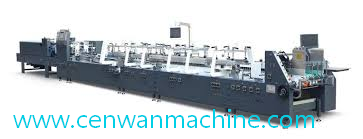

A narrow metal edge along a machine frame often reveals the character of its construction. A high speed folder gluer contains several types of components, including supporting structures, moving assemblies, contact surfaces, and protective covers. Each part has a different physical responsibility, so its material requirements can vary according to its position and working conditions. Repeated movement, friction, vibration, paper dust, and adhesive exposure all influence the condition of exposed surfaces. Looking closely at these details offers a practical way to understand how material selection relates to equipment durability in a corrugated packaging facility.
The frame is the foundation of the machine's physical construction. It supports the working assemblies and maintains the arrangement of the connected sections during operation. Metal is commonly used in industrial equipment structures because it provides rigidity and can support mechanical assemblies exposed to repeated activity. However, the precise composition of a particular frame should be confirmed through the manufacturer's technical information. A painted exterior cannot reveal every detail about the material underneath, and surface appearance alone does not establish the structural characteristics of the equipment. The condition of the frame, its joints, and its supporting sections all deserve attention during an inspection.
Working surfaces have a different role from the supporting structure. Corrugated sheets pass through designated areas where guides and rollers help control their movement through the folding process. These components experience repeated contact with paper surfaces, which can gradually leave visible marks. A roller may have a different surface treatment from a fixed guide because the two parts perform different mechanical tasks. Their material composition and finish should therefore be considered individually. When examining machinery on a factory floor, I often look at accessible contact areas first, since scratches, dust deposits, and changes in surface texture can reveal where repeated contact takes place.
Rollers are particularly interesting because their external surfaces and internal assemblies perform separate functions. The outer surface comes into contact with packaging material, while the internal construction connects the roller to the mechanical drive system. Depending on the intended application, different surface characteristics may be required. Some working areas need controlled contact with the sheet, while others support movement through the machine. It is not appropriate to assume that every roller uses an identical material or coating. Manufacturer documentation is the reliable reference for identifying the actual composition and construction of individual components.
Adhesive exposure is another factor that affects surface maintenance. During folding and bonding operations, small amounts of adhesive may remain around working areas. When these traces combine with paper dust, they can form deposits on nearby surfaces and mechanical components. The condition of protective finishes becomes relevant because cleaning methods must suit the material underneath. An unsuitable solvent or abrasive tool may damage a coating, even when the underlying component remains intact. Maintenance personnel should follow the equipment manufacturer's cleaning instructions and use appropriate materials for the surfaces being treated.
Connecting components also contribute to the durability of industrial machinery. Shafts, brackets, fasteners, and mounting elements hold assemblies together and transfer mechanical loads between different sections. Although these parts may not attract attention during a quick visual inspection, they experience repeated physical stress as the equipment operates. Vibration and regular movement can affect connections over time, particularly when maintenance is overlooked. During a routine inspection, visible corrosion, loose fasteners, unusual marks, and changes around mounting points are worth recording. These observations provide useful information about the condition of the mechanical structure.
Protective finishes help separate exposed materials from the surrounding production environment. In a packaging workshop, equipment surfaces may encounter moisture, paper particles, adhesive residue, and cleaning substances. Painted metal panels provide a visible outer layer, while other surface treatments may be used for specific component requirements. Their actual properties depend on the materials and finishing processes involved. Edges, corners, joints, and frequently handled areas deserve particular attention because repeated contact can gradually affect the appearance of a coating. Any damaged area should be assessed according to the manufacturer's maintenance guidance.
Durability is also connected to the way individual components are maintained. Paper dust can gather around guides and moving assemblies, while adhesive traces may remain near bonding sections after production. These deposits sometimes conceal small scratches or changes in surface condition. Regular cleaning makes it easier to inspect exposed areas and identify developing maintenance requirements. Different components may need different treatment methods, so using one cleaning approach throughout the entire machine is not always appropriate. A soft cloth may be suitable for an accessible painted panel, while a mechanical contact area may require specific procedures described in the equipment documentation.
When evaluating the construction of packaging machinery, buyers can request information about the frame, rollers, guides, connecting elements, and protective finishes. Such details help clarify the materials used in different sections and the maintenance considerations associated with them. CenWan's equipment information at https://www.cenwanmachine.com/ provides the company reference associated with its packaging machinery range. On the factory floor, the High Speed Folder Gluer remains beside a prepared stack of corrugated sheets, its metal guide showing a faint adhesive mark where the next sheet is about to pass.


