

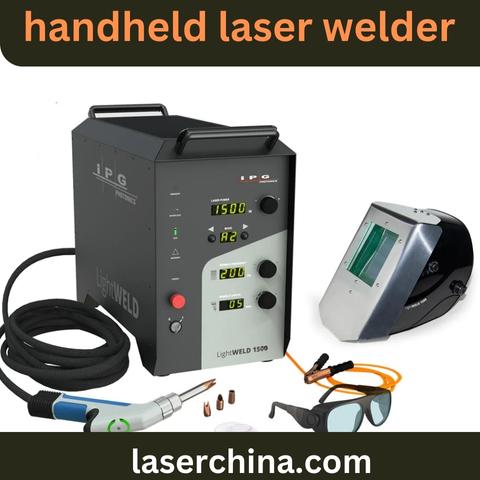

The metal fabrication industry is continuously evolving with advanced technologies that improve production quality, efficiency, and accuracy. Among these innovations, fiber laser welding has become an important solution for manufacturers seeking reliable and precise metal joining. It uses a concentrated laser beam to create strong welds while maintaining excellent control over the welding process.
From automotive production to electronics manufacturing, this technology supports a wide range of industrial applications. Its ability to deliver consistent welding results makes it a valuable investment for workshops, fabrication companies, and large-scale manufacturing facilities.
What Is Fiber Laser Welding?
Fiber laser welding is a modern joining process that uses a high-energy laser beam generated through an optical fiber. The laser focuses concentrated energy onto the metal surface, melting the material and forming a strong connection as it cools.
Unlike traditional welding methods that depend on an electrical arc or flame, laser welding delivers energy directly to a specific area. This allows operators to achieve accurate welds with controlled heat input.
The process is suitable for various metals, including stainless steel, carbon steel, aluminum, and certain alloys. Depending on the machine configuration and material thickness, manufacturers can select suitable welding parameters for different production requirements.
How Does the Welding Process Work?
The process begins by positioning the metal components that need to be joined. The operator then adjusts the machine settings according to the material type, thickness, and desired welding results.
The laser source generates a beam that travels through a fiber-optic delivery system to the welding head. A focusing lens concentrates the beam onto the joint, creating a small molten area. As the laser moves along the welding path, the molten metal cools and solidifies, forming a continuous joint.
Depending on the application, manufacturers can use manual, automated, or robotic welding configurations. Protective shielding gas may also be applied to reduce oxidation and maintain weld quality.
Industrial Applications
Fiber laser technology is widely used across industries where accurate metal joining is essential.
Automotive Manufacturing: Automotive companies use laser welding for metal components, body parts, structural assemblies, and precision components. The process supports repeatable production and helps maintain consistent manufacturing standards.
Aerospace Industry: Aerospace manufacturers require carefully controlled joining processes for specialized metal components. Laser welding can support applications involving suitable stainless steel, titanium alloys, and other approved materials.
Electronics Production: Electronic equipment often contains small metal components that require accurate joining. The concentrated laser beam allows manufacturers to work on delicate parts with controlled heat input.
Metal Furniture and Kitchen Equipment: Stainless steel furniture, cabinets, kitchen equipment, and decorative metal products can benefit from clean and consistent welding results.
Industrial Machinery: Manufacturers also use laser welding for machine components, metal enclosures, equipment housings, and customized fabrication projects.
Choosing the Right Laser Welding Machine
Selecting suitable equipment is essential for achieving reliable production results. Before purchasing a machine, manufacturers should consider several important factors.
First, evaluate the laser power according to the thickness and type of materials being processed. Different applications require different power levels, so choosing equipment based on actual production needs is important.
Next, examine the welding head, cooling system, control interface, and compatibility with available accessories. A user-friendly control system can make parameter adjustments easier for operators.
Manufacturers should also consider after-sales service, technical support, spare parts availability, and warranty coverage. Working with an experienced equipment supplier can help businesses select the right configuration and maintain long-term operational performance.
Safety and Maintenance Considerations
Proper maintenance helps keep welding equipment operating reliably. Operators should regularly inspect protective lenses, optical components, cooling systems, cables, and connections.
Cleaning procedures must follow the manufacturer's instructions to prevent damage to sensitive components. Cooling water quality and temperature should also remain within the recommended operating range.
Laser safety is equally important. Industrial laser welding systems can cause serious eye and skin injuries. Appropriate laser-rated protective eyewear, machine enclosures, interlocks, ventilation, and trained operators are essential. A proper risk assessment should be completed before equipment installation and operation.
Final Thoughts
Fiber laser technology is transforming modern metal fabrication by providing manufacturers with a precise and controlled method of joining metal components. Its applications across automotive, electronics, aerospace, and general manufacturing demonstrate its growing industrial importance.
For businesses planning to upgrade their production capabilities, investing in the right fiber laser welding equipment can support improved workflow consistency and manufacturing quality. By evaluating material requirements, machine specifications, safety systems, and supplier support, companies can make a well-informed purchasing decision.


