


What to Do When a Pipe Bursts: Immediate Steps and Hidden Damage to Check
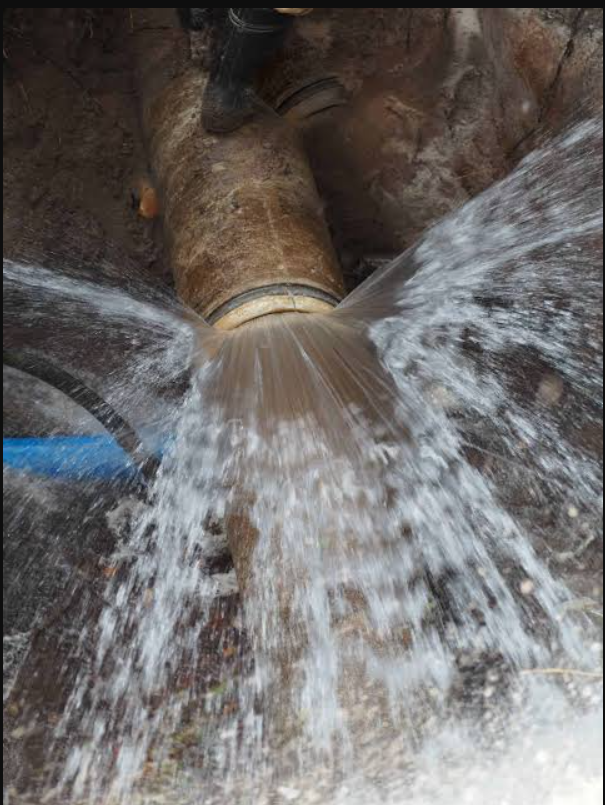
A burst pipe can release a large amount of water in a short time, affecting walls, ceilings, flooring, insulation, and personal belongings. Acting quickly can help limit the spread of water and reduce the likelihood of additional property damage.
While repairing the damaged pipe is essential, homeowners should also consider where the water traveled. Moisture can sometimes reach areas such as attics, wall cavities, and insulation where damage may not be immediately visible.
What Causes a Pipe to Burst?
Pipes can fail for several reasons. Common causes include:
- Freezing temperatures
- Corrosion and aging plumbing
- Excessive water pressure
- Loose or damaged connections
- Physical damage
- Poor installation
- Sudden temperature changes
Older plumbing systems may be particularly vulnerable to leaks and failures, making regular inspection and maintenance important.
What to Do When a Pipe Bursts
The first priority is to stop the water flow if it is safe to do so.
1. Shut Off the Main Water Supply
Locate the property's main water shutoff valve and turn it off. This can help prevent additional water from entering the plumbing system.
2. Turn Off Electricity if Necessary
If water has reached electrical outlets, appliances, or electrical equipment, avoid contact with standing water. Electrical systems should only be shut off from a safe location.
3. Protect Valuable Belongings
If it is safe, move furniture, electronics, documents, and other valuables away from affected areas.
4. Document the Damage
Take photographs and videos before cleanup when possible. Documentation can be helpful when communicating with an insurance provider or restoration professional.
5. Arrange for Pipe Repair
Searching for burst pipe repair near me can help you locate a local plumbing professional who can identify the failure and repair or replace the damaged section.
Why Pipe Repair Is Only the First Step
Fixing the plumbing stops the source, but it does not remove water that has already entered the property.
Water can travel through:
- Drywall
- Flooring
- Ceilings
- Insulation
- Wall cavities
- Wood framing
- Electrical areas
- HVAC components
A professional water damage assessment may be necessary when a significant amount of water has been released.
How Hidden Moisture Can Create Additional Problems
Water does not always remain where it first appears. A ceiling leak, for example, can allow moisture to move into insulation or structural materials before becoming visible.
If wet materials are not adequately dried, prolonged moisture can contribute to odors, deterioration, and mold growth.
This is particularly important when water reaches an attic.
What Causes Mold in an Attic?
Attic mold can develop when moisture becomes trapped in the space. Common contributing factors include:
- Roof leaks
- Poor attic ventilation
- Bathroom exhaust venting into the attic
- Condensation
- Damaged roofing materials
- Insulation problems
- Plumbing leaks
- High indoor humidity
A burst pipe may not directly cause attic mold, but if water reaches the attic or creates prolonged moisture conditions, the area should be inspected.
Signs You May Need Attic Mold Removal
Mold may not always be obvious. Look for:
- Dark discoloration on roof decking
- Musty odors
- Damp insulation
- Water stains
- Condensation
- Visible mold-like growth
- Soft or deteriorating wood
- Recurring moisture
If you notice these signs following a water event, professional assessment can help determine the source and extent of the problem.
What Is Involved in Attic Mold Removal?
Professional attic mold removal typically starts with an inspection to determine the extent of contamination and identify the moisture source.
Depending on the condition of the attic, the process may include:
- Inspecting affected materials
- Identifying moisture sources
- Correcting leaks or ventilation issues
- Establishing appropriate containment when needed
- Cleaning affected surfaces
- Removing materials that cannot be effectively restored
- Addressing moisture and humidity
- Conducting a final assessment
Removing visible growth without correcting the moisture source can allow the problem to return.
The Connection Between Water Damage and Mold
Mold needs moisture to grow. A plumbing failure can therefore become more than a plumbing problem when water remains inside building materials.
The best approach is to address both issues:
Stop the water → remove excess moisture → dry affected materials → inspect for secondary damage → address mold if necessary.
This process can help reduce the chance of ongoing moisture-related problems.
When Should You Call a Professional?
Professional assistance may be appropriate when:
- A large amount of water has entered the property
- Water has reached walls or ceilings
- Insulation has become wet
- The source of the leak is difficult to access
- Water has reached an attic
- There is visible mold
- A musty odor remains after drying
- Structural materials appear damaged
For smaller plumbing leaks, a qualified plumber may be sufficient. Larger water events may require both plumbing repair and restoration services.
How to Reduce the Risk of Future Pipe Problems
Preventive maintenance can help identify plumbing issues before they become emergencies.
Homeowners can:
- Insulate vulnerable pipes in cold areas
- Check exposed plumbing regularly
- Monitor for corrosion
- Repair small leaks promptly
- Know where the main shutoff valve is located
- Maintain appropriate indoor temperatures during freezing weather
- Inspect areas around plumbing connections
Regular maintenance is often easier and less expensive than responding to a major water loss.
Final Thoughts
A burst pipe requires immediate attention, but stopping the leak is only part of the recovery process. Water that enters walls, ceilings, insulation, or attic spaces can create hidden moisture problems that require additional inspection and drying.
If you are searching for burst pipe repair near me, focus on getting the plumbing failure repaired quickly. If water has reached the attic or you notice signs of mold afterward, professional attic mold removal may also need to be considered.
Frequently Asked Questions
1. What should I do first when a pipe bursts?
Turn off the main water supply if it is safe, stay away from electrical hazards, protect valuables when possible, and contact a qualified professional for pipe repair.
2. How do I find burst pipe repair near me?
Look for a qualified local plumber with experience handling emergency plumbing failures. Ask about response time, repair methods, and whether additional water damage assessment is available.
3. Can a burst pipe cause mold?
Yes. If water remains in building materials for an extended period, the resulting moisture can create conditions that support mold growth.
4. How does water reach an attic?
Water can reach an attic through roof leaks, plumbing problems, condensation, ventilation issues, or water traveling through ceilings and wall cavities.
5. What are signs of attic mold?
Dark discoloration, musty odors, damp insulation, condensation, water stains, and visible mold-like growth can indicate a potential attic moisture problem.
6. Does attic mold removal include fixing the moisture source?
Mold cleanup alone does not necessarily correct the underlying cause. Leaks, condensation, ventilation problems, or other moisture sources should also be addressed.
7. Should wet insulation be removed?
It depends on the type of insulation, how extensively it was affected, and whether it can be properly dried and restored. A professional assessment can help determine the appropriate approach.
8. Can attic mold return after removal?
Yes. If the underlying moisture condition remains, mold can return. Correcting leaks, condensation, humidity, or ventilation issues is an important part of prevention.

 English
 Arabic
 French
 Spanish
 Portuguese
 Deutsch
 Dutch
Dutch
 Italiano
 Russian
 Romaian
 Portuguese (Brazil)
 Greek
Greek