

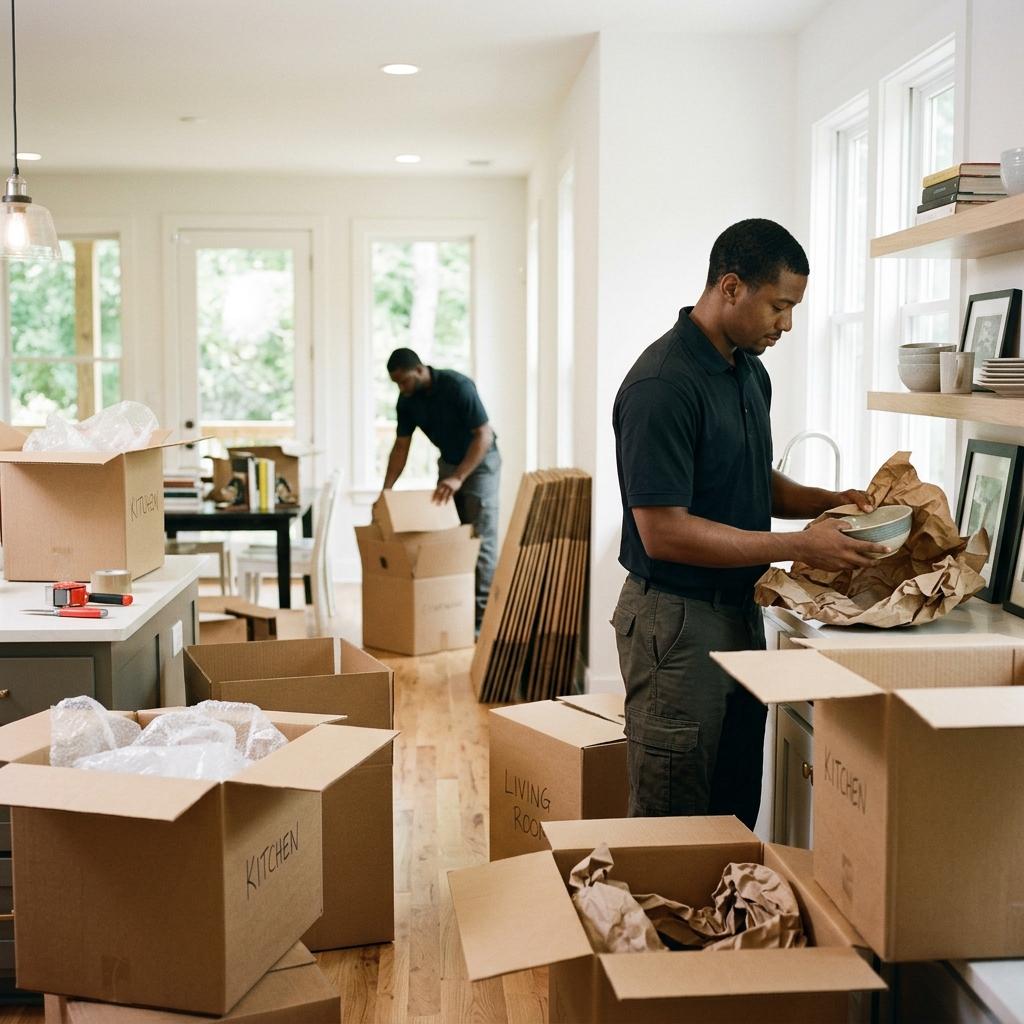
Just Moved Into a New Home? How Can You Make It Feel Organized and Comfortable Faster?

Moving into a new home is an exciting milestone, but the work does not necessarily end when the moving truck pulls away. In fact, many homeowners discover that unpacking, arranging furniture, organizing kitchen supplies, and finding everyday essentials can take considerably longer than expected.
A new house may have all the furniture and belongings needed for comfortable living, yet still feel unfinished because everything remains inside cardboard boxes. Bedrooms need attention, kitchen cabinets are empty, bathrooms lack essentials, and important household items are difficult to locate.
The key to making a new home comfortable is approaching the move-in process with a practical plan. Instead of opening boxes randomly, homeowners can prioritize essential rooms, establish an organized layout, and work through belongings systematically.
Why Does Settling Into a New Home Take So Much Time?
Unpacking involves more than removing items from boxes. Every belonging needs to be identified, inspected, sorted, and placed somewhere appropriate.
For example, kitchen supplies must be separated according to their purpose, clothing needs to be organized, and furniture must be positioned to accommodate the available space. Even relatively small tasks become time-consuming when repeated throughout an entire home.
Several factors can make the process more challenging:
-
Household size: Larger families generally have more belongings and different organizational needs.
-
Number of boxes: More packed items require additional sorting and placement.
-
Fragile possessions: Glassware, decorations, and electronics require careful handling.
-
Furniture assembly: Beds, desks, shelving units, and tables may need to be rebuilt.
-
Limited availability: People balancing employment, childcare, and other responsibilities may struggle to dedicate enough time to unpacking.
Without a clear approach, boxes can remain unopened for weeks, making it difficult to establish normal household routines.
Start With the Rooms You Need Every Day
One of the most effective ways to organize a new home is to prioritize rooms according to their everyday importance. Completing the entire property simultaneously can create unnecessary confusion.
A better approach is to establish a few functional spaces before moving on to less urgent areas.
1. Make the Kitchen Functional First
The kitchen is one of the most frequently used spaces in any household. Having access to basic cooking equipment, dishes, utensils, and food-storage containers makes everyday routines considerably easier.
Start by identifying frequently used items and assigning them convenient locations. Place cooking utensils near the preparation area, dishes near the dishwasher, and frequently used ingredients within easy reach.
There is no need to organize every cabinet perfectly on the first day. The immediate objective is to make basic meal preparation possible.
2. Prepare the Bedrooms
A comfortable sleeping environment can make a significant difference during the first few nights after relocation.
Assemble bed frames, unpack mattresses and bedding, and organize essential clothing. Wardrobe boxes can make hanging garments easier to transfer into closets without extensive folding.
If children are moving into a new home, preparing their bedrooms early can also help maintain familiar bedtime routines.
3. Organize Bathrooms
Bathrooms should contain the essentials needed for daily hygiene.
Unpack towels, toiletries, soap, toilet paper, and basic cleaning supplies. Organize cabinets and drawers according to how frequently different products are used.
Keep medications and important personal documents under your own control rather than placing them with general household belongings.
How Professional Help Can Simplify the Move-In Process
Some homeowners prefer handling everything independently, while others need assistance because of demanding schedules, large households, or physically challenging tasks.
Professional assistance can make the transition easier by helping with box opening, item placement, furniture reassembly, and the removal of packing materials.
For households relocating within the Atlanta metropolitan area, arranging Post-Move Home Setup in Atlanta, GA can be a practical way to approach the final stage of relocation.
The important consideration is understanding exactly what assistance is included. Some households need help with every room, while others only require assistance with the kitchen, bedrooms, or furniture placement.
Before arranging a visit, homeowners should identify their priorities and communicate them clearly.
Different Levels of Unpacking Assistance
Not every household requires the same amount of support.
Full-home unpacking: This option involves opening boxes throughout the property, sorting belongings, placing household items, and organizing essential spaces.
Kitchen unpacking: Homeowners can concentrate on preparing the kitchen, including organizing dishes, cookware, utensils, and pantry supplies.
Priority-room setup: This approach focuses on selected areas, such as the main bedroom, children's bedrooms, and bathrooms.
Furniture reassembly: Beds, desks, shelves, and other furniture pieces can be reassembled and positioned according to the homeowner's preferences.
Packing material removal: Cardboard, wrapping paper, and other disposable materials can be collected and removed after unpacking.
Choosing the appropriate level of assistance helps homeowners avoid paying for tasks they would rather complete themselves.
Create a Room-by-Room Organization Plan
A room-by-room system prevents household belongings from becoming scattered throughout the property.
Before opening boxes, identify the purpose of each room and decide where major furniture pieces will go. Even a simple floor plan or handwritten layout can help prevent unnecessary rearranging.
Consider these practical suggestions:
-
Living room: Position larger furniture first, then arrange smaller accessories and entertainment equipment.
-
Home office: Set up the desk, chair, computer, and essential work supplies before organizing decorative items.
-
Dining room: Position the table and chairs to maintain comfortable walking space.
-
Laundry area: Keep detergents, cleaning products, and laundry baskets together.
-
Garage: Separate tools, seasonal belongings, outdoor equipment, and storage containers.
It is also helpful to keep one temporary sorting box in each room. Items without an obvious destination can be placed there until a suitable location is decided.
This approach keeps the main living areas organized while allowing homeowners to make decisions without unnecessary pressure.
What Should You Prepare Before Unpacking Begins?
Preparation can significantly reduce confusion on move-in day.
First, make sure the main walking paths are clear. Movers and unpacking professionals need enough space to carry boxes safely between rooms.
Next, identify any furniture that requires assembly and determine where it should be positioned. This prevents heavy pieces from needing to be moved repeatedly.
Homeowners should also separate personal belongings that require special attention, including valuables, important paperwork, medications, and sensitive electronics.
A useful preparation checklist includes:
-
Decide where major furniture pieces will be placed.
-
Identify the rooms that need immediate attention.
-
Clear shelves, cabinets, and closets.
-
Separate essential personal belongings.
-
Identify fragile items that require extra care.
-
Decide which packing materials should be kept or discarded.
-
Make sure unpacking areas have sufficient lighting and clear floor space.
If professional help is involved, discuss the expected tasks and responsibilities before work begins.
Avoid Common Mistakes That Make Unpacking More Difficult
Even a relatively straightforward relocation can become frustrating when unpacking is approached without organization.
Opening Too Many Boxes at Once
Opening multiple boxes across different rooms creates clutter and makes it harder to track belongings.
Instead, complete one area before moving to another. This produces visible progress and keeps unused items contained.
Arranging Furniture Too Late
Placing furniture after every box has been opened can create unnecessary lifting and rearranging.
Position large pieces first, then organize smaller belongings around the established layout.
Ignoring Fragile Items
Glassware, decorative objects, and electronics should be inspected during unpacking. Identifying damage early makes it easier to document concerns and review applicable moving-company procedures.
Throwing Away All Packing Materials Immediately
Some cartons may be useful for returns, seasonal storage, or future transportation.
Separate reusable materials from damaged or unnecessary packaging before arranging disposal or recycling.
Maintain Your Organization After Moving Day
Getting everything out of boxes is only the beginning. Maintaining an organized household requires simple habits that make it easier to find and return belongings.
Label storage containers clearly, assign specific locations to frequently used items, and avoid filling every available cabinet simply because space exists.
It can also help to establish a regular system for handling incoming paperwork, household supplies, and seasonal belongings.
For items that do not have an immediate purpose, consider creating a designated storage area rather than allowing them to accumulate in living spaces.
Homeowners should also take time to evaluate their new layout after living in it for a few weeks. Some arrangements that initially seem convenient may need adjustment once everyday routines become established.
Final Thoughts
A successful move involves more than transporting belongings from one address to another. The real objective is creating a comfortable environment where everyday activities can resume without unnecessary stress.
Prioritizing essential rooms, organizing belongings systematically, preparing furniture arrangements, and managing packing materials can make the transition considerably easier.
Whether homeowners complete the work independently or arrange professional assistance, having a clear move-in strategy helps turn an unfamiliar property into a functional living space.
With the right preparation and a room-by-room approach, settling into a new home can become a much more manageable and rewarding experience.


