

How to Identify Authentic Mid-Century Modern Furniture: Key Features to Look For

Authentic mid-century modern furniture is valued for more than its retro appearance. Genuine pieces reflect a design philosophy that emphasized function, craftsmanship, proportion, and innovative materials during the middle decades of the twentieth century. Today, the popularity of the style has created a huge market for vintage originals, high-quality reproductions, and inexpensive pieces that simply imitate the look. For buyers, knowing the difference can prevent costly mistakes and lead to better furniture choices. Understanding construction, materials, proportions, hardware, and design details is the best way to develop a reliable eye for authenticity.
Understanding What Mid-Century Modern Really Means
The term mid-century modern generally describes a design movement associated with the 1940s through the 1960s, although its influences developed before and continued afterward. Designers responded to changing lifestyles by creating furniture that was practical, relatively simple, and suitable for modern homes. Advances in manufacturing also made it possible to experiment with plywood, molded materials, metal, fiberglass, and new upholstery techniques. Instead of relying on elaborate ornamentation, designers created visual interest through shape, proportion, texture, and material. This combination of practicality and distinctive form remains central to the appeal of mid-century modern furniture today.
It is important to distinguish genuine period furniture from anything that merely looks retro. A modern table with tapered legs and walnut-colored laminate may have a mid-century appearance without actually being a vintage piece. Likewise, a newly manufactured chair may faithfully reproduce the proportions of an older design while still being a contemporary product. Neither option is necessarily inferior, but buyers should understand what they are purchasing. Authenticity matters most when provenance, collectability, craftsmanship, or historical value influences the price.
Examine the Overall Shape and Proportions
One of the strongest clues is the overall silhouette. Authentic mid-century pieces often have clean horizontal or vertical lines combined with carefully controlled curves, creating a balanced rather than overly decorative appearance. Sofas and lounge chairs frequently sit relatively low, while cabinets and credenzas may be raised on slender tapered legs. Dining tables can feature elegantly shaped supports that provide stability without making the structure appear heavy. When examining a suspected vintage piece, look at the entire object rather than focusing on one fashionable detail.
Proportion is especially useful because it is harder to imitate convincingly than a surface finish. Designers of the period paid close attention to the relationship between seat height, backrest angle, tabletop thickness, leg placement, and overall scale. A piece that combines several unrelated trendy features may look vaguely mid-century but lack the visual discipline associated with authentic examples. The furniture should appear intentional from different viewing angles. If the shape feels awkward, excessively bulky, or visually unbalanced, its appearance alone should not convince you that it is a genuine period design.
Look Closely at Materials and Wood Construction
Wood is one of the most recognizable materials associated with the movement, particularly walnut, teak, oak, and rosewood in certain designs and markets. However, the presence of a particular wood does not automatically prove authenticity because modern manufacturers use the same species and finishes. Examine the grain, veneer application, edges, joinery, and aging rather than relying on color alone. Vintage wood may show natural changes in tone, small signs of use, and surface characteristics consistent with its age. A convincing reproduction can also use excellent wood, so material evidence should be considered alongside construction and provenance.
Veneer deserves special attention when inspecting older furniture. Quality mid-century cabinets and tables often used wood veneer over a stable substrate, allowing designers to achieve attractive grain patterns without requiring massive solid-wood construction. Look at the direction and continuity of the grain across doors, drawers, and cabinet fronts. Uneven grain matching or modern-looking edge treatments can provide clues that a piece has been altered or newly manufactured. At the same time, restoration and replacement of damaged veneer do not automatically make a piece worthless; they simply affect its originality and condition.
Inspect Joinery, Hardware, and Construction Details
Construction details can reveal considerably more than surface appearance. Open drawers and doors and examine how they are assembled, paying attention to joints, fasteners, drawer runners, hinges, and interior finishes. Older furniture may display construction methods that differ from those commonly used in inexpensive contemporary mass production. Well-made vintage pieces generally show evidence of careful engineering even when their design appears visually simple. Loose joints, inconsistent gaps, weak hardware, or poorly finished hidden areas should make you investigate further.
Hardware can also provide useful clues, although it should never be treated as absolute proof. Drawer pulls, hinges, legs, mounting plates, and fasteners can sometimes indicate the period or manufacturer of a piece. Replacement hardware is common on older furniture, especially when an item has been repaired or restored. Therefore, an unusual screw or newer hinge does not necessarily mean the entire piece is fake. Instead, compare multiple details and consider whether the hardware makes sense alongside the furniture's construction, materials, and overall design.
Check Labels, Marks, and Provenance
Labels and manufacturer marks can be extremely helpful when identifying vintage furniture. Some manufacturers placed paper labels, stamped marks, metal tags, or identification plates underneath cabinets, inside drawers, or on the backs of chairs. A recognizable mark can provide a starting point for researching the manufacturer, production period, and original design. However, the absence of a label does not automatically mean a piece is inauthentic. Labels can disappear through decades of use, refinishing, moving, repairs, or simple deterioration.
Provenance can strengthen an authenticity assessment when reliable documentation is available. Old photographs, purchase records, estate inventories, retailer receipts, or information from the original owner can provide valuable context. Even without formal documentation, a consistent history of ownership can help establish where a piece came from. Be cautious with stories that rely entirely on vague claims such as “family-owned for decades” without supporting evidence. A confident seller should be willing to describe what they know and clearly separate verified information from assumptions.
Compare Vintage Details With Modern Reproductions
The popularity of mid-century design has encouraged manufacturers to produce furniture inspired by iconic forms. Modern reproductions can be attractive, durable, and perfectly appropriate for contemporary homes, but they should not be represented as vintage originals. Compare the furniture's dimensions, materials, hardware, finish, and construction with reliable examples from the same manufacturer or design period. Differences in proportions can be particularly revealing when a reproduction is based loosely on an older design. Paying attention to these details helps buyers avoid confusing a modern interpretation with an authentic period piece.
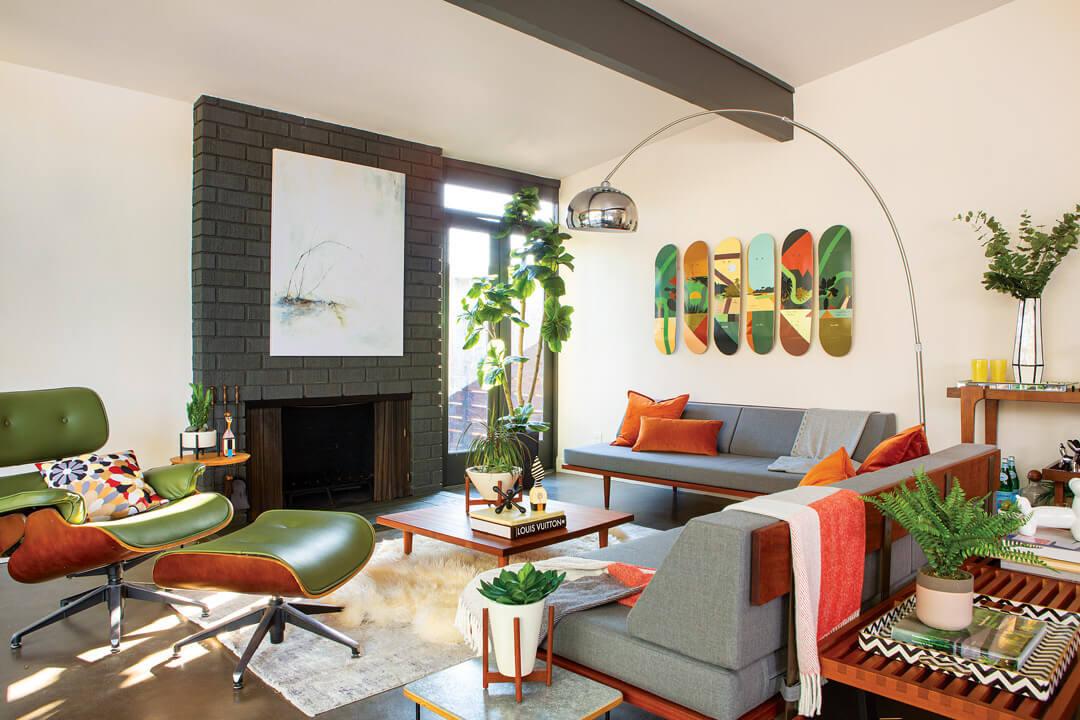
This distinction also matters when building a broader mid-century modern decor scheme. Not every item in a room needs to be an original vintage object to create an authentic-looking environment. A carefully selected contemporary reproduction can work beautifully alongside an original credenza, vintage chair, or period-inspired lighting fixture. The goal is to create visual consistency rather than turn the room into a museum. Combining old and new pieces can actually make the interior feel more natural, functional, and personal.
Common Mistakes to Avoid When Buying Authentic Pieces
One of the most common mistakes is assuming that age automatically equals authenticity or quality. An old piece may have been heavily modified, poorly repaired, or altered over the years, while a newer reproduction may be exceptionally well made. Another mistake is focusing too heavily on one feature, such as tapered legs or walnut coloring. These characteristics are now so widely copied that they provide useful clues but very little certainty by themselves. A proper evaluation should consider several characteristics together.
Buyers should also avoid rushing because a seller describes an item as rare, original, or collectible. Ask practical questions about dimensions, construction, labels, restoration, ownership history, and known designer attribution. If a purchase is expensive, consider obtaining an independent appraisal or consulting someone with experience in vintage furniture. Specialist knowledge can be particularly valuable for pieces attributed to well-known designers or manufacturers. Spending a little more time researching before purchasing can protect you from paying a premium for an incorrectly described item.
Building a Collection With Confidence
Learning to identify authentic mid-century modern furniture is ultimately a process of observation and comparison. Start by studying well-documented examples and become familiar with the materials, silhouettes, construction methods, and manufacturing marks associated with the period. When shopping, inspect furniture carefully rather than relying on photographs or a seller's description alone. Keep authenticity separate from personal preference, because a reproduction may be the better practical choice even when a vintage original has greater historical interest. Knowledge allows you to make that decision deliberately rather than accidentally.
A thoughtful approach also makes it easier to create a cohesive interior without overspending. Choose pieces because they have strong proportions, useful functionality, good construction, and a design you genuinely enjoy. Whether you are searching for a vintage dining table, lounge chair, credenza, or storage cabinet, look beyond the surface and consider how the object was made. When combined with complementary mid-century modern decor, authentic furniture can bring warmth, character, and visual balance to a contemporary home. The real appeal of the style is not simply that it looks nostalgic, but that good design can remain useful and beautiful long after its original era has passed.


