


Forged Work: The Craftsmanship Behind Strong and Lasting Construction
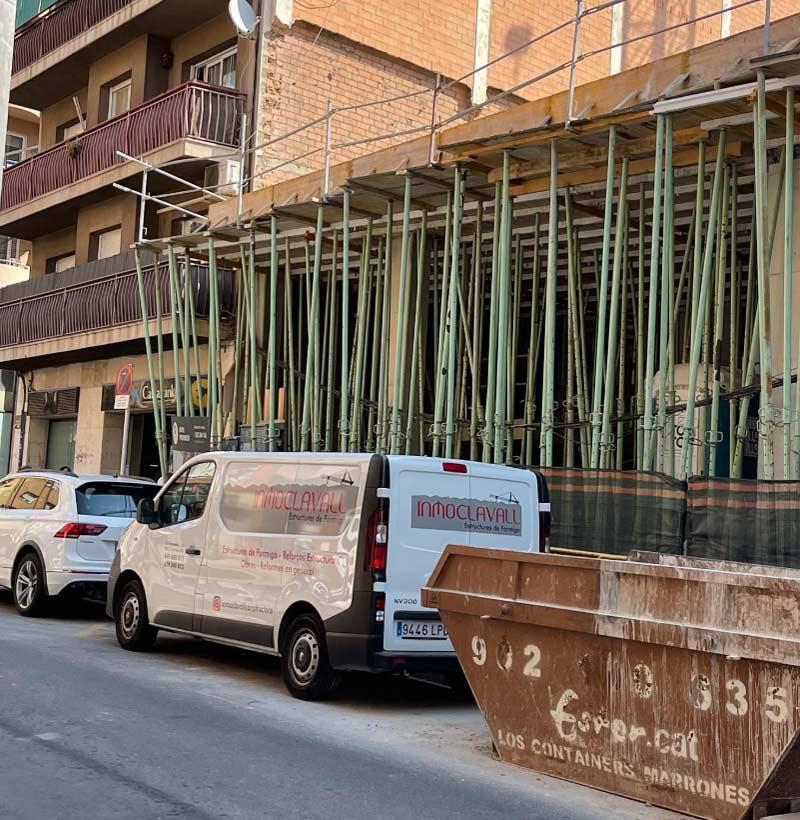
Construction is often described in terms of materials, measurements, and engineering, but skilled workmanship is just as important to the success of a building project. Behind every reliable structure are countless decisions made by professionals who understand how materials should be prepared, positioned, connected, and finished.
The idea of forged work represents craftsmanship shaped through patience, precision, and experience. Traditionally associated with the careful shaping of metal, the concept can also describe a broader approach to construction in which every detail is deliberately formed to create something strong, useful, and lasting.
Modern construction combines advanced technology with practical skills, creating opportunities to achieve impressive results without losing sight of traditional principles of quality.
Craftsmanship Gives Buildings Their Character
Architectural drawings provide a detailed vision of a building, but drawings alone cannot create a finished structure. Skilled workers transform plans into physical elements through careful execution.
Walls need to be aligned, foundations need to be accurately positioned, concrete needs to be properly placed, and structural connections need to be completed according to specifications.
These tasks may appear straightforward, but quality depends on consistency. A small mistake in one stage can affect subsequent work, particularly when multiple structural elements depend on accurate positioning.
This is why experienced craftsmanship remains valuable even as construction technology continues to develop.
Precision Is Essential in Structural Work
Structural construction requires a high degree of accuracy. Foundations, columns, beams, slabs, and supporting walls must work together as part of a coordinated system.
Concrete construction provides an excellent example. Before concrete is placed, reinforcement and formwork must be prepared according to the structural design. The concrete then needs to be placed and compacted correctly to minimize defects.
Curing is another important stage because concrete requires suitable conditions to develop its intended strength and durability.
An approach inspired by forged work emphasizes attention to each stage rather than focusing solely on the finished appearance. The quality of the completed structure depends on what happens throughout the construction process.
Concrete Can Combine Strength and Design
Concrete is one of the most adaptable materials used in construction. It can provide structural strength while also contributing to the visual character of a building.
Modern techniques allow concrete to be shaped into smooth curves, sharp geometric forms, textured surfaces, exposed finishes, and other architectural details.
Achieving these results requires careful formwork and experienced handling. The appearance of exposed concrete, for example, can be affected by the quality of the molds, placement technique, vibration, curing, and finishing process.
When structural and architectural requirements are considered together, concrete can become more than a hidden support material. It can become an important part of the building's identity.
Experience Helps Solve Construction Challenges
Every building project presents its own circumstances. Ground conditions may vary, designs may contain unusual features, and material availability can affect the construction sequence.
Experienced professionals are better prepared to recognize these challenges and respond appropriately. They can identify potential conflicts between different stages of work and recommend practical solutions before problems become more complicated.
Experience also develops through attention to previous projects. Understanding what worked well, what required adjustment, and how different materials behaved under specific conditions can improve future decision-making.
This practical knowledge is difficult to replace with theory alone.
Good Planning Supports Good Work
Craftsmanship is most effective when it is supported by organized planning. Before construction begins, the project should have clear drawings, specifications, schedules, material requirements, and quality expectations.
Planning allows different trades to coordinate their activities and helps reduce unnecessary delays. Structural work, electrical installations, plumbing, insulation, roofing, and finishing often need to follow a logical sequence.
A well-organized construction process also makes quality control easier. Professionals can check completed stages before allowing subsequent work to cover or depend upon them.
Material Selection Affects Durability
Strong workmanship cannot compensate for unsuitable materials. Every material should be selected according to its intended purpose and the conditions it will experience.
Structural components need appropriate strength and durability. Finishing materials may need resistance to moisture, impact, sunlight, or regular wear.
Material compatibility is also important. Different components interact with one another, and poor combinations can lead to premature deterioration.
A professional construction team can help evaluate these requirements and select materials that provide a sensible balance between performance, appearance, and cost.
Details Often Determine the Final Quality
Large structural elements naturally receive attention, but smaller details can have an equally significant influence on the finished project.
Joints, edges, connections, openings, drainage points, surface transitions, and finishing details all need to be executed carefully. Defects in these areas may become visible over time or create maintenance problems.
The philosophy behind forged work can be applied here: quality is created through repeated attention to individual details. When each component is completed carefully, the combined result becomes stronger and more refined.
Technology and Traditional Skills Can Work Together
Construction technology has introduced new tools for design, measurement, modeling, material management, and quality control. Digital drawings and advanced equipment can improve accuracy and efficiency.
However, technology works best when supported by people who understand how to interpret information and apply it correctly on site.
Modern construction does not need to choose between technology and craftsmanship. The two can complement one another. Digital planning can provide accuracy, while experienced workers provide the practical judgment needed to deal with real-world conditions.
Building for Long-Term Performance
A successful building should remain functional long after construction has finished. Durability therefore needs to be considered from the beginning.
Strong foundations, correctly executed concrete structures, suitable materials, effective drainage, and appropriate protective measures can all contribute to long-term performance.
Maintenance should also be considered during design. Accessible systems, durable finishes, and thoughtful detailing can make future inspections and repairs easier.
The goal is not simply to create a building that looks impressive on completion day. It is to create a structure capable of performing reliably throughout its useful life.
The Lasting Value of Skilled Work
Forjado obra is ultimately a useful metaphor for the quality and dedication required in construction. Just as a carefully shaped material gains strength and character through skilled workmanship, a building develops its reliability through hundreds of carefully executed decisions.
Professional planning, structural expertise, quality materials, accurate concrete work, and experienced craftsmanship all contribute to the final result.

 English
 Arabic
 French
 Spanish
 Portuguese
 Deutsch
 Dutch
Dutch
 Italiano
 Russian
 Romaian
 Portuguese (Brazil)
 Greek
Greek