

Commercial Hydroseeding Services: A Cost-Effective Solution for Large-Scale Landscaping

Large-scale landscaping projects require careful planning, efficient installation methods, and solutions that deliver lasting results without unnecessary expenses. Whether developing commercial properties, restoring construction sites, improving roadside areas, or establishing vegetation across large open spaces, choosing the right seeding method can significantly influence the project's success. Traditional grass installation methods may involve considerable labor, transportation, and material costs, making them less practical for extensive properties. This is where commercial hydroseeding services offer an effective alternative by combining seed, water, mulch, and other necessary materials into a mixture that can be applied evenly across large areas.
For developers, property managers, contractors, and commercial landowners, hydroseeding provides a practical way to establish vegetation while supporting soil protection and long-term landscape development. The process is particularly useful for projects that require consistent coverage across uneven terrain or difficult-to-reach areas. In regions such as North Texas, where seasonal weather and soil conditions influence grass establishment, selecting an appropriate hydroseeding solution is especially important. Understanding its benefits, applications, and costs can help property owners make informed landscaping decisions.
Understanding How Commercial Hydroseeding Works
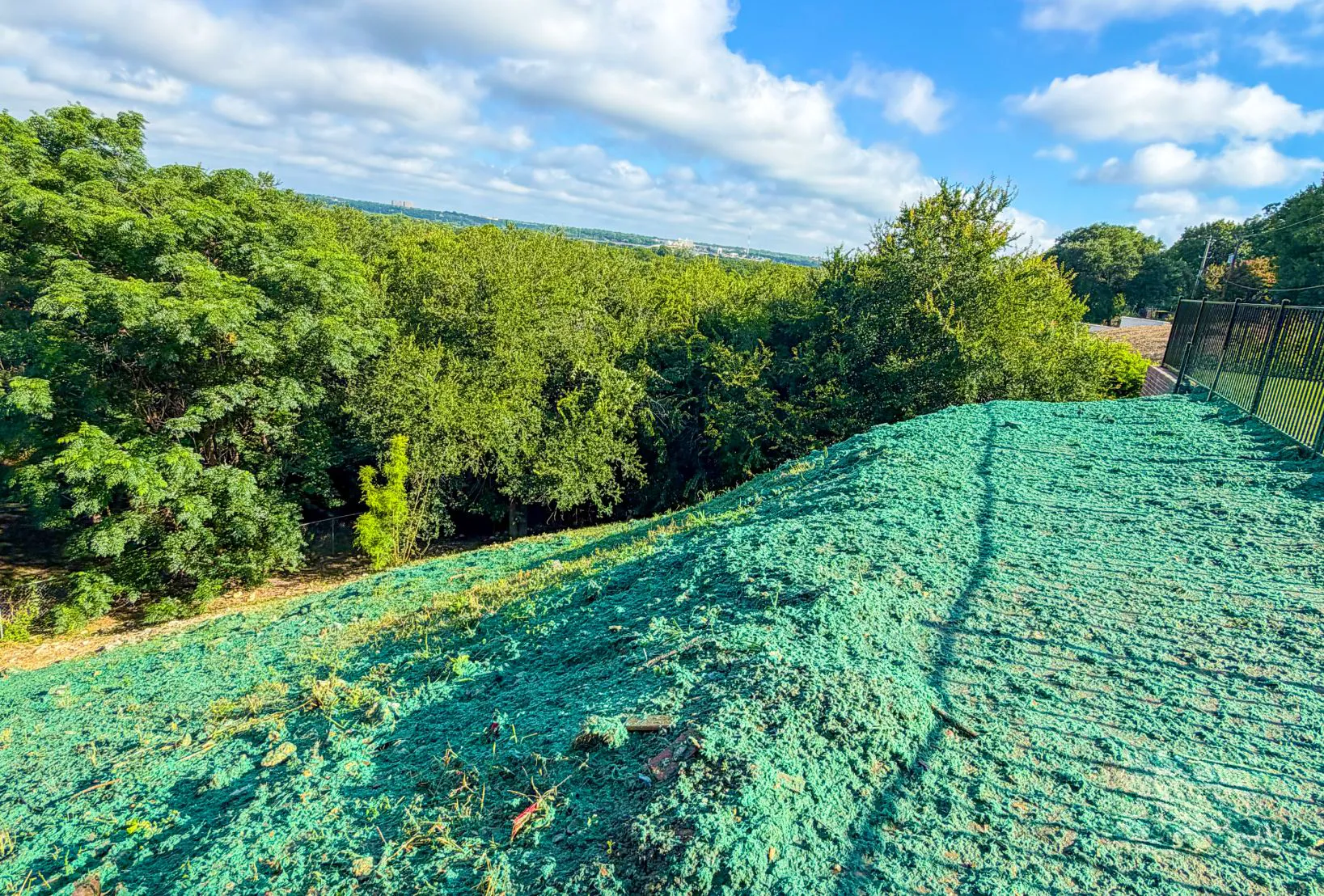
Hydroseeding is a planting technique that uses specialized equipment to spray a carefully prepared mixture onto the soil. This mixture generally contains grass seed, water, mulch, and, depending on project requirements, fertilizer, soil amendments, and tackifiers. The materials are blended inside a hydroseeding tank to create a uniform slurry that can be distributed over the designated area. Once applied, the mulch forms a protective covering that helps retain moisture and keeps seeds in place during the early stages of growth.
Unlike traditional broadcast seeding, hydroseeding allows contractors to apply several materials together in a controlled process. This makes it suitable for commercial properties where consistent coverage and efficient application are important. Specialized equipment can cover substantial ground without requiring workers to distribute seed manually across every section. The application process can also accommodate slopes, roadside areas, and other locations where conventional planting techniques may be challenging.
However, successful hydroseeding involves more than spraying a seed mixture over bare ground. Proper soil preparation, suitable seed selection, appropriate application rates, and post-installation care all influence the final results. Experienced contractors evaluate these factors before beginning work to ensure that the selected approach matches the property's conditions and landscaping objectives.
Why Hydroseeding Is Cost-Effective for Large Properties
One of the biggest advantages of commercial hydroseeding services is their ability to reduce the labor and installation expenses associated with extensive landscaping projects. Installing sod across several acres requires purchasing, transporting, unloading, and positioning large quantities of established grass. These activities can increase project costs, particularly when the property covers a substantial area. Hydroseeding offers another option by applying grass seed and protective materials directly to prepared soil.
The application process can cover large areas efficiently, reducing the amount of manual labor required for installation. Contractors can also select seed varieties and mulch materials according to the property's intended use, allowing project managers to plan their budgets around specific requirements. For developments with extensive open spaces, this flexibility can make hydroseeding a financially attractive alternative to more labor-intensive planting methods.
Another potential saving comes from the ability to customize the installation instead of purchasing fully established turf. Different commercial areas may require different grass varieties, depending on sunlight, soil conditions, expected foot traffic, and maintenance expectations. Choosing an appropriate seed mixture helps avoid unnecessary material expenses while supporting the property's long-term landscaping goals.
Nevertheless, the lowest initial estimate does not always represent the best value. Property owners should compare material quality, site preparation, application rates, equipment, and maintenance recommendations before choosing a contractor. A properly planned installation can provide better long-term value than a cheaper application that requires extensive repairs or reseeding.
Commercial Applications Across Different Landscaping Projects
Hydroseeding is suitable for many commercial environments because it can be adapted to different property sizes, terrain conditions, and vegetation requirements. Commercial developers frequently use it after construction activities have disturbed existing ground cover. Once grading, excavation, and other major site work are complete, hydroseeding can help restore vegetation and improve the appearance of exposed areas.
Industrial facilities, warehouses, shopping centers, and business parks are other common applications. These properties often include large open spaces, roadside sections, drainage areas, and unused land that require vegetation. Hydroseeding allows contractors to establish grass across these sections without installing individual sod pieces throughout the property. The resulting landscape can improve the overall appearance of the development while helping protect exposed soil.
Infrastructure projects also benefit from this approach. Roadside embankments, utility corridors, drainage channels, and other disturbed areas may require vegetation to support soil stabilization. Depending on the slope, soil type, drainage conditions, and expected water flow, contractors can select suitable seed and mulch combinations. Some locations may require additional erosion-control products to provide adequate protection during establishment.
Municipal properties, recreational spaces, and commercial campuses can also benefit from hydroseeding. Parks, open fields, and large green spaces often require substantial coverage, making efficient application particularly valuable. The important consideration is choosing a suitable seed mixture and installation strategy for the property's specific purpose.
Choosing the Right Hydroseeding Solution for North Texas
Climate and soil conditions play an important role in determining whether a hydroseeding project will establish successfully. Businesses planning Hydroseeding North Texas projects should consider the region's hot summers, variable rainfall, occasional cold periods, and differences in local soil conditions. These factors influence seed selection, installation timing, irrigation requirements, and the amount of maintenance needed after application.
Warm-season grasses are frequently considered for North Texas properties because many varieties can tolerate the region's summer temperatures. Bermuda grass, for example, is commonly used in sunny areas that require durable turf. However, it is not automatically the right choice for every commercial property. Shaded locations, low-maintenance landscapes, native restoration projects, and areas with specific environmental requirements may need different seed selections.
Soil preparation is another important consideration. Construction activities can leave behind compacted soil, debris, and uneven surfaces that interfere with seed establishment. Before applying the hydroseeding mixture, contractors should evaluate the soil, address grading concerns, and determine whether additional topsoil or amendments are necessary. Proper preparation creates a more favorable environment for seed-to-soil contact and root development.
Water management deserves equal attention in North Texas. Although mulch helps retain moisture, newly seeded areas still require appropriate irrigation, especially during hot or dry weather. A professional contractor should provide a practical watering schedule based on the selected grass variety, seasonal conditions, and characteristics of the property. This guidance helps property managers avoid inconsistent watering that could affect germination and early growth.
Factors That Influence Commercial Hydroseeding Costs
The total cost of a commercial hydroseeding project depends on several factors, so accurate estimates generally require an assessment of the property. The total acreage is one of the first considerations because larger installations involve greater quantities of seed, mulch, water, and other application materials. However, pricing is not determined by acreage alone. Site accessibility, terrain, preparation requirements, and the selected seed mixture can also influence the final estimate.
Seed selection is another important cost factor. Standard turf varieties may have different material costs from specialized native grass mixtures or blends designed for particular environmental conditions. Some commercial properties require grass that can tolerate frequent use, while others prioritize drought tolerance, low maintenance, or natural vegetation. Contractors should explain why a particular seed mixture is recommended and how it supports the property's intended use.
The condition of the existing soil can also affect project expenses. Sites that require grading, debris removal, compaction correction, or soil amendments may need additional preparation before hydroseeding begins. Similarly, steep slopes and areas with drainage concerns might require specialized mulch, tackifiers, erosion-control blankets, or other protective measures.
When comparing estimates, property owners should request a clear breakdown of the proposed work. Understanding what is included in the price makes it easier to compare contractors fairly. A detailed estimate should identify the seed mixture, mulch type, application rates, site preparation, and any recommended follow-up services.
The Importance of Professional Installation and Ongoing Maintenance
Professional installation plays a significant role in achieving consistent results across large commercial properties. Experienced contractors understand how equipment settings, material quantities, soil conditions, and application techniques influence coverage. They can also identify areas that require additional attention, such as slopes, compacted ground, drainage paths, or sections exposed to excessive sunlight.
A reliable installation begins with a site evaluation. Contractors should review the property's dimensions, existing soil conditions, drainage patterns, and intended landscape use. Based on this assessment, they can recommend appropriate seed varieties and application materials. During installation, maintaining consistent coverage is essential because uneven distribution may result in areas with poor vegetation growth.
Maintenance becomes particularly important after the application is complete. Newly seeded areas need appropriate moisture to support germination and early root development. Property managers should follow the contractor's irrigation instructions and avoid unnecessary foot traffic or vehicle activity while the grass is becoming established. Heavy use before the vegetation is sufficiently developed can damage young plants and create bare patches.
Regular inspections also help identify potential problems before they become more expensive to correct. Areas affected by water runoff, poor germination, or displaced mulch may require additional attention or reseeding. Hydroseeding does not eliminate the need for maintenance, but proper installation and consistent aftercare can improve the chances of establishing healthy, uniform vegetation.
Selecting the Right Commercial Hydroseeding Contractor
Choosing an experienced contractor is an important step toward keeping a large landscaping project on schedule and within budget. Commercial properties often have different requirements from residential lawns, particularly when projects involve multiple acres, construction deadlines, uneven terrain, or erosion-control considerations. Property owners should look for contractors who understand these challenges and can recommend solutions based on actual site conditions.
Start by reviewing the contractor's experience with projects similar to yours. Ask about commercial developments, construction sites, roadside applications, and other large-scale installations they have completed. Previous project experience can help demonstrate whether the company has the equipment and technical knowledge needed to manage your property effectively.
It is also worth discussing the materials and application process before signing an agreement. A knowledgeable contractor should be able to explain the recommended seed mixture, mulch selection, application rates, and expected establishment requirements. They should also provide realistic information about germination timelines and explain which factors could influence the final appearance of the landscape.
Communication and follow-up support matter just as much as installation quality. Choose a company that provides clear estimates, answers technical questions, and offers practical maintenance guidance. For businesses planning large landscaping improvements, working with a dependable hydroseeding provider can help reduce uncertainty and support better project management.
Conclusion
Commercial hydroseeding services provide a practical and cost-effective option for establishing vegetation across large properties. By combining seed, mulch, water, and other necessary materials into a professionally applied mixture, this method can reduce installation labor while supporting efficient landscape development. Its applications extend across commercial developments, industrial facilities, infrastructure projects, roadside areas, and large open spaces.
For property owners considering Hydroseeding North Texas, local climate conditions, soil preparation, seed selection, and irrigation planning should all influence the installation strategy. Choosing an experienced contractor and investing in appropriate aftercare can make a meaningful difference in the quality and durability of the finished landscape. With careful planning and professional application, hydroseeding can help transform exposed ground into attractive, functional green spaces while keeping large-scale landscaping projects manageable and financially practical.


