

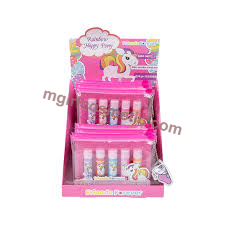

What sent me digging into this was a pink compact that would not stay shut in my niece's backpack, so by the time she reached school the lid had popped open and a dusting of glitter had settled into every pocket. Nobody was upset, but it made me wonder how much of a children's makeup routine comes down to shape and size before anyone thinks about shades, and I spent an afternoon with a ruler and a handful of Kids Cosmetics laid out on the kitchen table.
Size comes up first, because the people using these products have short fingers and little sense of how hard to press. A palette built like an adult one, wide and flat with big pans, feels clumsy in a little grip, whereas a compact box about the width of a palm sits steadily and leaves room for a thumb to open it. Weight is easy to check by holding a sample in one hand and waving it about gently, and if your wrist tires or the box swings like a paving slab, a young user will drop it before the week is out.
Corners and edges deserve a slow thumb. Run a fingertip around the outside of the case and feel for a molding seam that stands proud, a sharp corner, or a rough gate mark left where the plastic entered the mold, because children rub these against cheeks and knuckles without thinking. Rounded corners and a softly eased rim look friendlier on a shelf and do not snag the lining of a bag. I once found a sample with a tiny burr beside the hinge that caught my sleeve, and it was the first thing I noticed, well before the colors.
Closures decide whether the backpack episode repeats itself. A snap lid should click with a short, clear sound and then stay shut when you shake the box gently over a table, while a hinge that wobbles or a latch that needs a fingernail to open will frustrate a young user at once. Notice how the lid sits when open, since one that flops backward past a right angle strains the hinge and one that stands upright doubles as a mirror frame.
On the table that afternoon were samples from JinhuaMgirl, a workshop doing OEM and ODM manufacturing of makeup that includes eyeshadow, lipstick, mascara, foundation and cosmetic sets, and having a children's kit beside an adult palette from the same maker made the difference in scale obvious. The workshop also offers customization, so I asked a few plain questions about whether tray shapes, pan layouts and printed artwork can be adjusted, since those are the places where design decisions actually get made.
Inside the tray, the wells are the next stop. Small wells suit small fingertips and stop a youngster from pushing a whole fist into the powder, and a shallow well with a clean, flat floor gives an even surface that feels pleasant to touch. Finish matters at the surface of the cover: a matte coat hides smudges from sticky hands, a glossy one shows every fingerprint, and a printed cartoon should sit straight and sharp without a fuzzy halo around its lines. Rub the print with a damp thumb for a moment and see whether anything lifts.
Packaging and color set the mood on a shelf. Bright, simple colors with a clear theme look cheerful and uncluttered, and a window in the packaging lets a parent see the contents without opening anything. Ingredients and safety testing are a separate subject that I will leave aside here.
My notes carry a pencil mark beside any item that fails the shake test, and the pink compact from the backpack has joined that list. A listing on https://www.mgirlcosmetic.com/ can show a tray's outline and artwork in photographs, yet the grip of a latch and the roundness of a rim appear when the part is in your fingers. These checks suit Kids Cosmetics sold as plain kits, and they say nothing about anything with a mirror or a battery, which I have not examined.


