

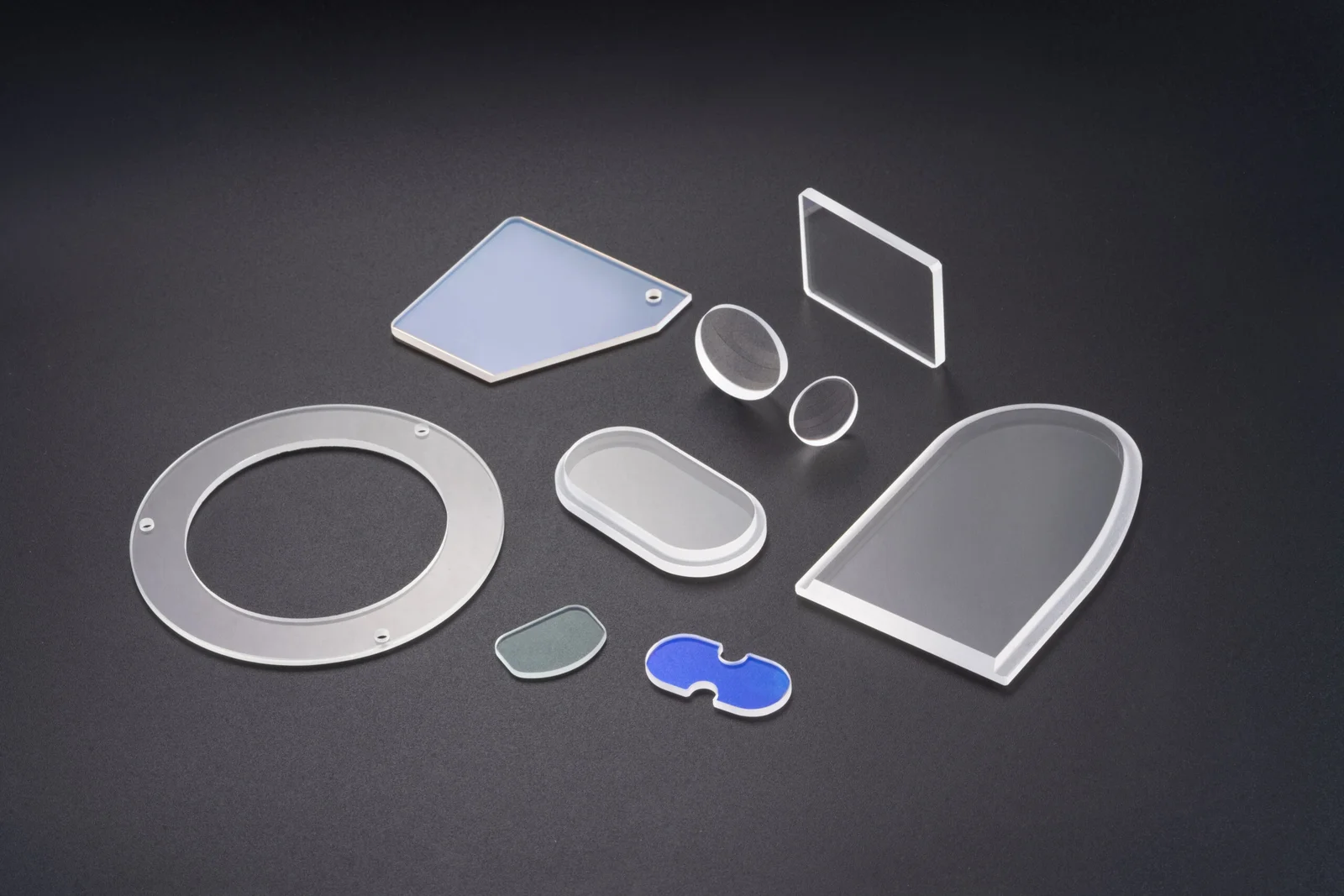

Glass has become an important part of modern architecture, interior design, and industrial manufacturing. From residential buildings and commercial offices to specialized equipment, it provides transparency, light transmission, and protection while supporting different design requirements. Choosing the right window glass is therefore an important consideration for projects where visual clarity, durability, and functional performance matter.
Although glass may appear to be a simple material, its properties can vary significantly depending on its composition, thickness, manufacturing process, and intended application. Understanding these differences helps architects, designers, manufacturers, and buyers select suitable products for their specific requirements.
The Role Of Glass In Modern Architecture
Natural lighting is one of the most important considerations in building design. Properly selected glass allows daylight to enter indoor spaces, reducing dependence on artificial lighting during daylight hours and creating a more open atmosphere.
Windows also provide visual connections between indoor and outdoor environments. In residential properties, they can make rooms feel more spacious while offering views of gardens, streets, and surrounding landscapes. In commercial buildings, glass installations contribute to contemporary architectural designs and can create brighter working environments.
Different projects require different glass characteristics. Some applications prioritize transparency and appearance, while others require additional consideration of insulation, privacy, strength, or solar control.
Understanding Different Glass Properties
Selecting suitable glass requires an understanding of the properties that influence its performance.
Transparency And Light Transmission: Clear glass allows visible light to pass through, making it suitable for applications where unobstructed viewing is important.
Thickness: Glass thickness affects its structural characteristics and suitability for different installation conditions.
Surface Quality: Smooth, consistent surfaces help maintain visual clarity and an attractive finish.
Thermal Performance: Certain glass constructions are designed to help reduce heat transfer and improve building energy performance.
Strength And Safety: Depending on the application, tempered or laminated glass may be appropriate where additional impact resistance or safety characteristics are required.
Weather Resistance: Exterior glass installations must be selected according to environmental exposure and installation requirements.
Understanding these characteristics helps ensure that the selected product is appropriate for its intended use.
Common Applications Across Different Industries
Glass is used in a wide variety of environments because of its ability to combine practical functionality with visual appeal.
Residential Buildings: Windows provide natural light, ventilation opportunities, and outdoor visibility in homes and apartments.
Commercial Offices: Glass installations help create modern workspaces and support brighter interior environments.
Retail Stores: Display windows allow businesses to showcase products while maintaining a visual connection with customers.
Hospitality Environments: Hotels, restaurants, and cafés use glass in windows, partitions, and decorative architectural features.
Industrial Equipment: Specialized glass components can be incorporated into machinery, instruments, and protective enclosures where visibility is required.
The correct glass specification depends on the intended application, installation method, and expected operating conditions.
Factors To Consider Before Selecting Window Glass
Choosing glass should involve more than comparing appearance or price. Several technical and practical considerations can influence long-term performance.
First, buyers should identify the installation environment. Interior partitions have different requirements from exterior windows exposed to wind, rain, temperature changes, and sunlight.
Second, glass dimensions and thickness must match the structural design. Incorrect measurements can create installation difficulties and may affect the stability of the finished assembly.
Third, the required safety characteristics should be considered. Locations where human impact is possible may require safety glazing that complies with applicable building standards.
Energy performance is another important factor. Depending on the climate and building design, insulated glazing or specialized coatings may help manage heat transfer and solar gain.
Finally, buyers should consider maintenance requirements. Glass that is easy to clean and maintain can help preserve its appearance over time.
The Importance Of Proper Installation And Maintenance
Even high-quality glass may not perform as expected if it is installed incorrectly. Proper measurements, suitable framing, compatible sealing materials, and professional installation practices all contribute to a reliable finished structure.
Installation teams should ensure that glass panels are supported appropriately and that the surrounding frame accommodates the product's dimensions and weight.
Regular maintenance also helps preserve appearance and functionality. Cleaning with suitable products prevents the accumulation of dust, fingerprints, and environmental deposits. Frames, seals, and surrounding hardware should be inspected periodically for signs of deterioration.
Any cracks, chips, or structural damage should be assessed promptly, particularly in exterior installations or locations where safety is important.
Making Informed Decisions About Glass Products
The wide range of glass products available today makes it important to understand the requirements of each project before making a purchase. Factors such as transparency, thickness, safety, insulation, durability, and installation conditions should all influence the final selection.
For businesses and buyers exploring specialized glass products, ARV Optical offers a range of optical and glass-related solutions. Reviewing its window glass product information can provide a starting point for understanding available options and evaluating their suitability for different applications.


