


Understanding Metal Cutting Fluid and Its Role in Modern Machining
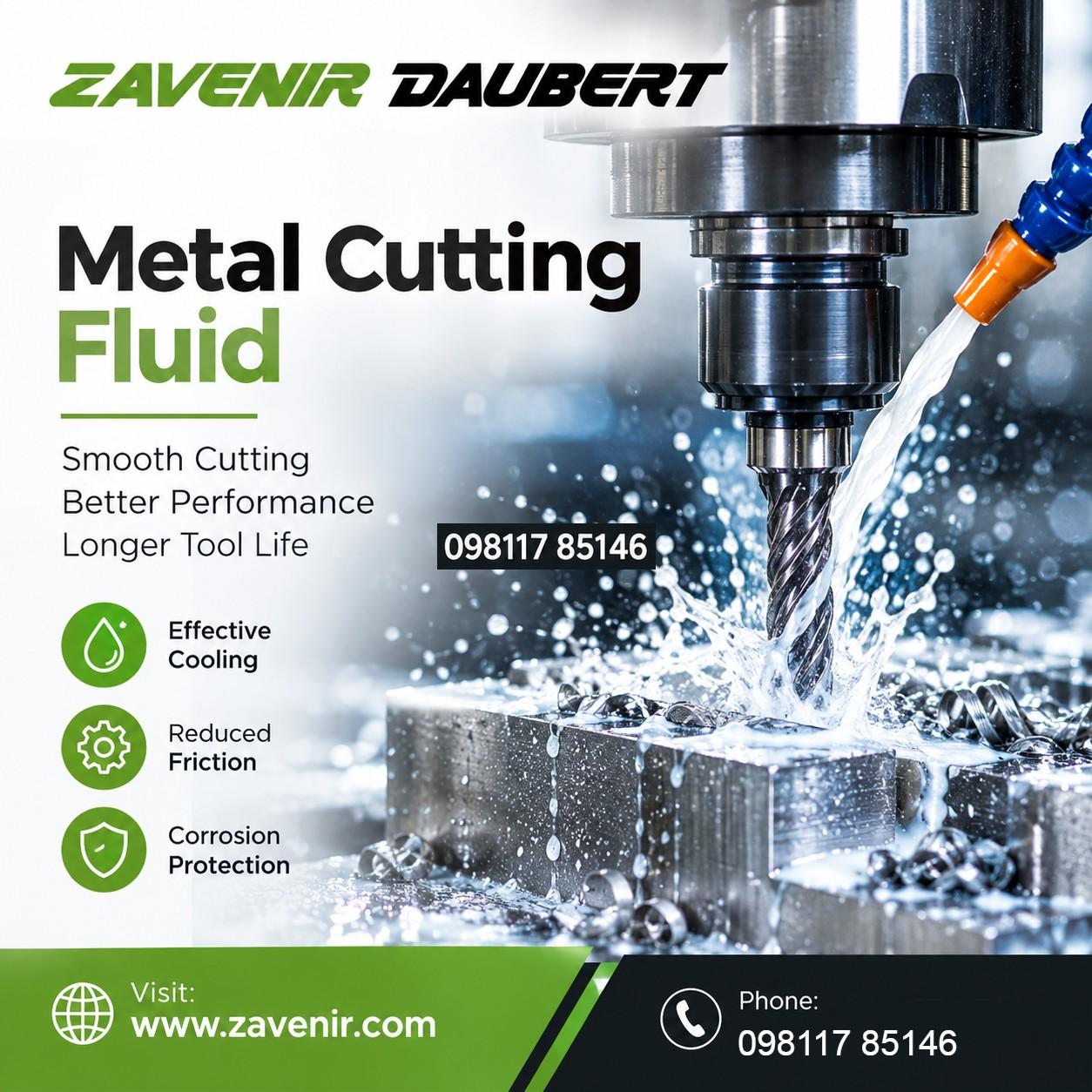
Metal cutting is a demanding process where tools and workpieces experience friction, pressure, and significant heat. Whether a manufacturing operation involves turning, milling, drilling, grinding, or tapping, controlling these conditions can help maintain consistent machining performance. This is where metal cutting fluid plays an important role.
A properly selected cutting fluid helps manage heat and friction at the cutting zone while supporting smoother material removal. It can also contribute to better surface finish, longer tool life, and more consistent production when used according to the requirements of the machining operation.
What Is Metal Cutting Fluid?
Metal cutting fluid is a specially formulated liquid used during machining and metalworking operations. It is applied to the cutting area to provide cooling, lubrication, or a combination of both.
Different formulations are designed for different materials, cutting speeds, tooling conditions, and machining processes. The right choice depends on factors such as the type of metal being machined, machine configuration, operating temperature, and desired surface quality.
Why Is Cutting Fluid Important?
During machining, contact between a cutting tool and metal generates heat and friction. Excessive heat can affect tool performance, while increased friction may influence surface quality and cutting efficiency.
A suitable cutting fluid can help by:
- Reducing friction between the tool and workpiece
- Removing heat from the cutting zone
- Supporting smoother chip formation and removal
- Reducing tool wear under appropriate operating conditions
- Improving the consistency of machined surfaces
- Helping maintain stable machining conditions
These benefits make cutting fluids an important part of many metalworking processes.
Common Types of Metal Cutting Fluids
Metalworking operations use several categories of cutting fluids. Their selection depends on the application and production requirements.
Straight Oils: These oil-based fluids provide strong lubrication and are often used where friction control is particularly important.
Soluble Oils: These concentrates are mixed with water and can provide a balance of cooling and lubrication for various machining operations.
Semi-Synthetic Fluids: These formulations combine oil and synthetic components, offering cooling performance along with lubrication properties.
Synthetic Fluids: These formulations are designed without conventional mineral oil and may be selected where cooling, cleanliness, and specific machining characteristics are important.
Factors to Consider When Selecting a Cutting Fluid
Choosing a metal cutting fluid should involve more than simply selecting a general-purpose product. The material being machined, cutting operation, machine setup, tooling, and production environment can all influence fluid requirements.
High-speed machining, for example, may require effective heat control, while heavy-duty operations may place greater emphasis on lubrication. Compatibility with machine components and the workpiece should also be considered.
Concentration, water quality, contamination control, storage conditions, and maintenance practices can further affect fluid performance.
Why Proper Fluid Maintenance Matters
Even a suitable cutting fluid requires proper maintenance. Contamination from chips, tramp oil, dirt, and other substances can gradually affect its characteristics.
Regular monitoring can help identify changes in concentration, appearance, odor, and contamination levels. Following recommended mixing ratios and maintenance procedures can support consistent machining performance and help maximize fluid service life.
The Role of Cutting Fluids in Modern Manufacturing
Modern manufacturing focuses on productivity, dimensional accuracy, surface quality, tool management, and efficient resource use. The right cutting fluid can support these objectives by helping machining operations remain stable and controlled.
Zavenir Daubert provides metalworking and industrial fluid solutions for manufacturing applications where effective lubrication, cooling, and process control are important. Selecting the appropriate solution according to the machining process can help manufacturers maintain reliable and consistent operations.
Conclusion
Metal cutting fluid is an important component of many machining processes. By helping control heat and friction, it can support tool performance, surface quality, and machining consistency.
Manufacturers should consider the metal being processed, machining method, tooling, operating conditions, and maintenance requirements when selecting a cutting fluid. With the right formulation and proper management, cutting fluids can contribute to a more controlled and efficient metalworking process.

 English
 Arabic
 French
 Spanish
 Portuguese
 Deutsch
 Turkish
 Dutch
Dutch
 Italiano
 Romaian
 Portuguese (Brazil)
 Greek
Greek