

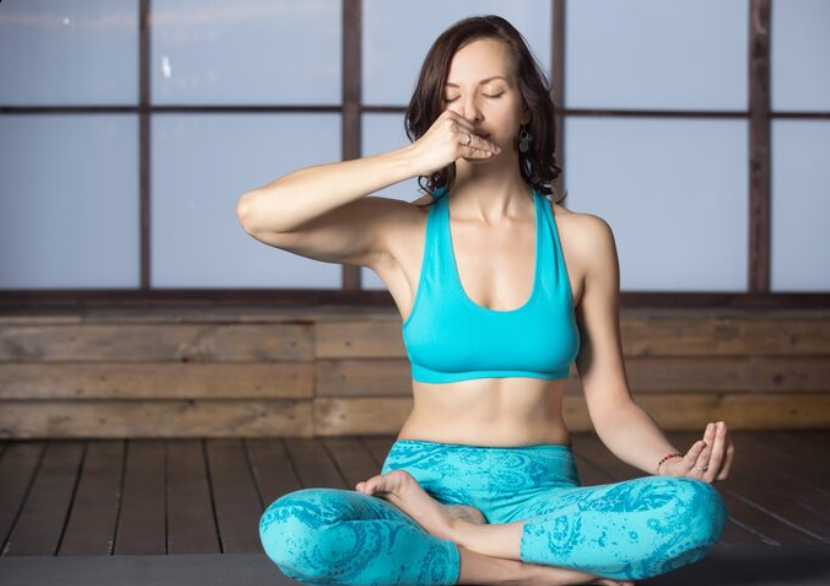
Coherent Breathing and Breathing Exercises for Panic Attacks: Finding Calm Through Better Breathing

Breathing is one of the most important functions of the human body, yet many people rarely pay attention to how they breathe. During stressful situations, breathing patterns can change without conscious awareness. Breaths may become faster, shorter, or irregular, sometimes contributing to feelings of tension and discomfort. Learning simple breathing techniques can help people become more aware of their breathing patterns and develop healthier ways to respond to everyday stress. Coherent breathing and breathing exercises for panic attacks are two approaches that can support relaxation, improve breathing awareness, and encourage a greater sense of control.
Understanding Coherent Breathing
Coherent breathing is a controlled breathing technique that focuses on maintaining a slow, steady, and comfortable rhythm. Rather than taking unusually deep breaths, individuals aim to create a balanced pattern of inhaling and exhaling. A common approach involves breathing at approximately five to six breaths per minute, although the ideal pace can vary between individuals.
The main purpose of coherent breathing is to establish a consistent rhythm that encourages relaxation. When breathing becomes slower and more regular, people may find it easier to settle their minds and release physical tension. This technique can be practiced while sitting comfortably, lying down, or taking a quiet break during a busy day.
One of the benefits of coherent breathing is its simplicity. It does not require special equipment, expensive programs, or a complicated routine. Individuals can practice it at home, during work breaks, or before bedtime. With regular practice, it may become a useful part of a personal relaxation routine.
How Coherent Breathing Supports Relaxation
Breathing patterns are closely connected to the body's stress response. When someone experiences pressure or anxiety, their breathing may become rapid and shallow. This can sometimes contribute to physical discomfort and make stressful feelings more noticeable.
Coherent breathing encourages a slower and more consistent breathing pattern. The technique may help support the body's natural relaxation response and promote a calmer physical state. Paying attention to each breath can also redirect attention away from stressful thoughts and toward the present moment.
Another advantage is that coherent breathing encourages mindfulness. Instead of allowing thoughts to move constantly from one concern to another, individuals concentrate on the natural movement of inhaling and exhaling. This simple activity can create a peaceful moment during an otherwise demanding day.
Breathing Exercises for Panic Attacks
Panic attacks can involve sudden feelings of intense fear, discomfort, and physical distress. Some people experience a racing heartbeat, dizziness, trembling, chest tightness, or difficulty feeling comfortable with their breathing. These experiences can be frightening, especially when they happen unexpectedly.
Breathing exercises for panic attacks can provide a practical way to focus attention and encourage a more comfortable breathing pattern. Although breathing techniques do not replace professional treatment, they can be useful coping strategies for some individuals.
The most important principle is to avoid forcing the breath. Trying to take extremely deep breaths or holding the breath for too long may increase discomfort. Gentle, controlled breathing is generally a better starting point.
Simple Breathing Techniques to Practice
Several breathing techniques can help individuals develop greater awareness of their breathing. Choosing a comfortable method and practicing it regularly can make it easier to use these techniques during stressful moments.
1. Slow and Gentle Breathing
This exercise involves breathing slowly without forcing the lungs to take in excessive air.
Sit comfortably and relax your shoulders. Breathe in gently through your nose, then slowly breathe out. Allow the next breath to happen naturally without rushing. Continue for a few minutes while maintaining a comfortable rhythm.
This technique can be especially useful when someone notices that stress is causing their breathing to become faster than usual.
2. Coherent Rhythm Breathing
Coherent rhythm breathing focuses on creating a balanced pattern between inhaling and exhaling.
Begin by breathing in gently for approximately five seconds and breathing out for approximately five seconds. Adjust the timing if necessary to make the exercise comfortable. Continue for several cycles without forcing your breath.
Practicing this method regularly may help individuals become more familiar with slower breathing patterns.
3. Diaphragmatic Breathing
Diaphragmatic breathing, sometimes called belly breathing, focuses on using the diaphragm more effectively.
Place one hand on your upper chest and the other on your abdomen. Breathe gently and notice whether your abdomen moves naturally as you inhale. Allow your chest and shoulders to remain relaxed.
Continue for a few minutes, keeping the breathing comfortable. This technique can help improve awareness of breathing mechanics.
4. Grounding Through Natural Breathing
Grounding exercises can help individuals redirect their attention when they feel overwhelmed.
Find a comfortable position and notice the feeling of your feet touching the floor. Observe the sounds around you and identify a few objects in your surroundings. At the same time, allow your breathing to remain gentle and natural.
Combining grounding with breathing exercises for panic attacks may help some people feel more connected to their immediate surroundings.
Building a Consistent Breathing Routine
Developing a regular breathing routine can make relaxation techniques easier to remember and practice. Instead of waiting until stressful situations occur, individuals can dedicate a few minutes each day to breathing exercises.
Morning practice can provide a peaceful beginning to the day. A short session during an afternoon break may help create distance from work-related pressure. Evening breathing exercises can also become part of a relaxing bedtime routine.
Consistency is more important than duration. Practicing for five minutes regularly may be more manageable than attempting a long session occasionally. Individuals should adjust their routine according to their comfort and personal needs.
Common Mistakes to Avoid
Although breathing exercises are generally simple, certain mistakes can make them less comfortable.
One common mistake is trying to breathe too deeply. Excessively large breaths can sometimes cause dizziness or tingling, particularly when someone is already breathing rapidly. Keeping each breath gentle and natural is important.
Another mistake is expecting immediate results. Relaxation techniques may require regular practice before individuals become comfortable using them. Some days may feel easier than others, and that is completely normal.
People should also avoid treating breathing exercises as a way to control every physical sensation. The goal is to develop a comfortable breathing pattern, not to force the body into a particular response.
If an exercise causes dizziness, breathlessness, or increased distress, stop and return to natural breathing. Seek medical advice for new, severe, or unexplained symptoms rather than assuming they are caused by anxiety.
Combining Breathing Techniques With Healthy Habits
Breathing exercises can become more useful when combined with other healthy lifestyle practices. Regular physical activity, sufficient sleep, balanced meals, and time for relaxation can contribute to overall well-being.
Mindfulness, gentle stretching, and spending time outdoors may also support emotional balance. Individuals experiencing frequent panic attacks or persistent anxiety should consider speaking with a qualified healthcare professional. Evidence-based treatments, including appropriate psychological therapies, can provide additional support.
It is also helpful to identify situations that commonly contribute to stress. Recognizing personal triggers may make it easier to prepare coping strategies and respond more confidently when uncomfortable feelings arise.
Conclusion
Learning to manage breathing patterns can be a valuable step toward improving relaxation and developing healthier responses to stress. Coherent breathing offers a simple way to establish a steady breathing rhythm, while breathing exercises for panic attacks can provide practical techniques for navigating moments of intense discomfort.
Both approaches emphasize gentle breathing, consistency, and awareness rather than forcing the body to respond in a particular way. With regular practice and appropriate professional support when needed, individuals can develop useful relaxation habits that fit naturally into everyday life. Small moments of mindful breathing can become meaningful opportunities to pause, refocus, and approach daily challenges with greater calm.


