


How Experienced Drivers Process Traffic Differently
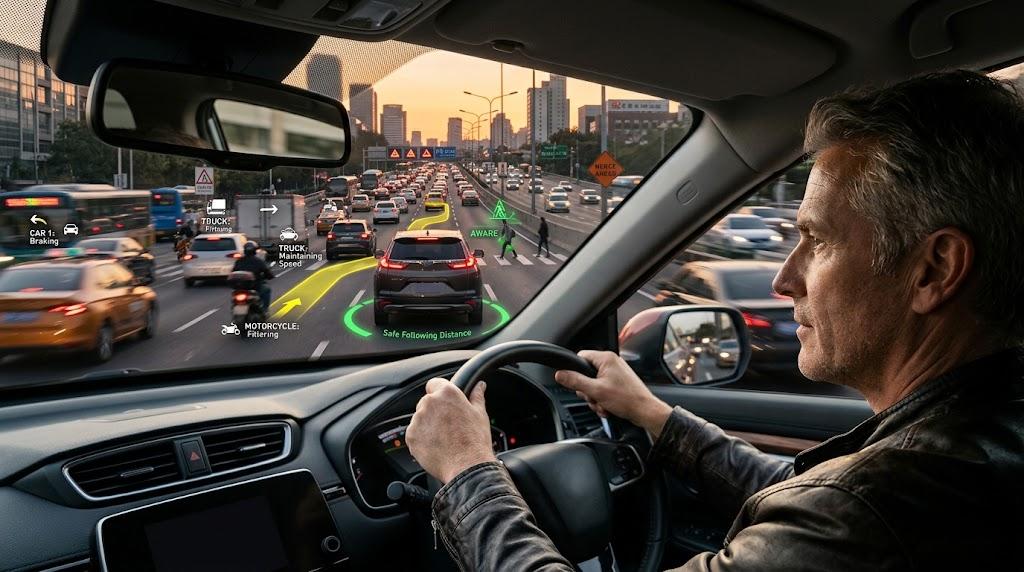
Have you ever noticed how an experienced driver can seem calm in a situation that makes a new driver nervous? They may slow down before a problem develops, notice a vehicle changing lanes several cars ahead, or anticipate that a pedestrian might step toward the road. This isn't necessarily because experienced drivers have faster reflexes. In many cases, they have simply learned how to process traffic information more efficiently.
For new drivers, every road sign, vehicle, intersection, and lane change can feel like a separate task. Quality Driving Lessons Richmond can help learners gradually develop the observation skills needed to recognize these situations earlier. With practice, driving becomes less about reacting to individual events and more about understanding what is happening around the vehicle as a whole.
Experience Changes the Way Drivers See the Road
Driving experience doesn't magically make someone a better driver. Instead, repeated exposure to different road situations helps the brain recognize familiar patterns.
A beginner might see a busy intersection and think about several things at once:
- Which lane should I use?
- Is the traffic light changing?
- How fast am I going?
- Is that car going to turn?
- Where should I stop?
An experienced driver is more likely to process these details together. They already understand many of the basic tasks, which leaves more mental attention available for predicting what other road users might do.
This is one reason experienced drivers often appear more relaxed. Their calmness comes partly from familiarity and preparation rather than simply having better reactions.
Experienced Drivers Look Further Ahead
One of the biggest differences between new and experienced drivers is where they direct their attention.
A beginner may focus heavily on the vehicle immediately in front of them. An experienced driver tends to scan much farther ahead, looking for developing situations.
For example, instead of waiting until the car ahead brakes, an experienced driver may notice:
- Brake lights several vehicles ahead
- A traffic light turning yellow
- Congestion forming around an intersection
- A pedestrian approaching a crosswalk
- A vehicle entering from a side road
- A cyclist moving closer to the travel lane
This gives the driver additional time to respond smoothly.
Looking Beyond the Immediate Vehicle
You don't have to stare directly at the car in front of you. Try to develop a wider field of awareness.
When driving, regularly ask yourself:
“What might happen in the next few seconds?”
That simple question encourages you to look beyond the immediate situation and identify possible hazards before they become urgent.
They Recognize Patterns in Traffic
Traffic has patterns. Once drivers gain experience, they become better at recognizing them.
For instance, a vehicle traveling unusually slowly may indicate that the driver is unfamiliar with the area, searching for an address, or preparing to turn. A car positioned close to the center line may be preparing to pass or turn. A pedestrian looking toward the road may be considering crossing.
None of these observations guarantees what another person will do. Experienced driving is not about assuming that predictions are always correct. It is about recognizing possibilities and preparing for them.
This distinction is important.
A skilled driver doesn't think, “That car will definitely stay in its lane.” They think, “That car might move over, so I'll maintain enough space.”
They Manage Risk Before It Becomes a Problem
New drivers often respond to hazards once they become obvious. Experienced drivers tend to manage risk earlier.
Consider a vehicle approaching an intersection from a side street. If that vehicle is moving quickly and appears unlikely to stop, an experienced driver may naturally reduce speed and prepare to brake.
The other vehicle might stop normally, and nothing happens. That's fine.
The goal isn't to predict accidents. The goal is to avoid being surprised by situations that could reasonably develop.
Creating a Safety Buffer
Experienced drivers often maintain useful safety margins rather than driving at the absolute limit of what is possible.
That can mean:
- Leaving enough following distance
- Adjusting speed for poor visibility
- Avoiding unnecessary lane changes
- Giving larger vehicles extra space
- Slowing near areas with pedestrians
- Keeping an escape route when traffic becomes crowded
These habits give the driver more time and more options.
Experienced Drivers Use Peripheral Vision More Effectively
Drivers don't need to stare directly at every hazard to remain aware of it.
As people become more comfortable behind the wheel, they generally become better at monitoring their surroundings while keeping their primary focus on the road ahead. They can notice movement from the sides without constantly turning their eyes away from the direction of travel.
This is particularly useful in urban environments.
A driver may be watching traffic ahead while simultaneously noticing movement near a parked vehicle, a cyclist approaching from the side, or a pedestrian standing close to a curb.
However, peripheral awareness doesn't replace proper observation. Drivers still need to check mirrors and blind spots whenever appropriate.
They Spend Less Mental Energy on Basic Controls
For a learner, steering, braking, accelerating, signaling, and gear selection can require considerable concentration.
With practice, these actions become more automatic.
That doesn't mean experienced drivers stop paying attention. Instead, basic vehicle control requires less conscious effort, allowing the driver to devote more attention to traffic conditions.
This is one reason consistent practice matters.
The more familiar you become with basic vehicle control, the easier it becomes to focus on higher-level skills such as:
- Hazard identification
- Traffic prediction
- Space management
- Route awareness
- Communication with other road users
- Safe decision-making
They Understand That Other Drivers Make Mistakes
Another important difference is expectation.
Experienced drivers understand that other road users can make unpredictable decisions. Someone may forget to signal, misjudge a gap, stop suddenly, drift within a lane, or fail to notice a sign.
Rather than becoming surprised or angry, a defensive driver remains prepared.
This mindset can make a major difference.
Instead of thinking, “They should have seen me,” a safer approach is:
“They may not have seen me. What can I do to stay safe?”
That change in thinking encourages defensive driving and reduces dependence on other people's behavior.
They Adapt Their Driving to the Environment
Experienced drivers don't use exactly the same driving approach everywhere.
A clear, dry road with light traffic requires a different level of caution than a crowded intersection during heavy rain.
Good drivers continuously adjust to conditions such as:
Weather
Rain, fog, snow, and strong winds can affect visibility, traction, and stopping distance. Experienced drivers recognize these changes and adjust their speed and following distance accordingly.
Traffic Density
Heavy traffic creates more potential conflicts. Vehicles change lanes frequently, gaps disappear quickly, and sudden braking becomes more common.
Experienced drivers usually leave more room for unexpected changes rather than trying to squeeze through every available gap.
Road Design
Sharp curves, narrow lanes, construction zones, merging areas, and complex intersections all require different forms of attention.
Familiarity helps drivers recognize where additional caution may be needed.
They Make Decisions Without Rushing
Good driving isn't about making every decision as quickly as possible.
Sometimes the safest decision is to wait.
An experienced driver may choose not to merge because the available gap is uncomfortable. They may wait for another vehicle to pass before turning. They may slow down because they cannot clearly see beyond an obstruction.
This is an important lesson for new drivers: you don't have to accept every available opportunity on the road.
If a situation doesn't feel safe, creating more time and space is often the better choice.
How New Drivers Can Develop These Skills
Experience naturally develops over time, but drivers can intentionally practice better observation.
1. Scan Ahead
Don't focus exclusively on the vehicle directly ahead. Look farther down the road and identify what may affect traffic several seconds from now.
2. Check Mirrors Regularly
Develop a consistent mirror-checking routine so you know what is happening behind and beside you.
3. Identify Potential Hazards
While driving, quietly identify possible risks. For example:
“Parked car ahead.”
“Pedestrian near the curb.”
“Vehicle approaching from the side.”
This trains your brain to actively search for hazards.
4. Think About What Others Might Do
You don't need to guess perfectly. Consider reasonable possibilities and leave enough space to handle them.
5. Practice in Different Conditions
Once basic skills are comfortable, supervised practice in different traffic environments can help develop broader experience.
6. Review Mistakes Instead of Ignoring Them
If you make a poor decision, think about what happened afterward.
Ask yourself:
- What did I miss?
- When did I first have enough information to notice it?
- What could I have done earlier?
- How could I create more time or space next time?
This turns everyday driving experience into useful learning.
Experience Should Improve Judgment, Not Create Overconfidence
There is an important difference between experience and confidence.
A driver who has spent years on the road may have excellent instincts, but experience doesn't make anyone immune to mistakes. Overconfidence can actually weaken safe decision-making.
Experienced drivers should continue to:
- Follow traffic laws
- Stay focused
- Avoid distractions
- Maintain appropriate speed
- Use seat belts
- Check blind spots
- Adjust to road conditions
- Leave sufficient following distance
The best drivers remain aware of their limitations.
Conclusion
Experienced drivers process traffic differently because they have learned to recognize patterns, scan farther ahead, anticipate possible hazards, manage space, and make decisions before situations become urgent. These skills don't appear overnight. They develop through instruction, observation, repetition, and thoughtful practice. New drivers can begin building the same habits by focusing less on simply controlling the vehicle and more on understanding the constantly changing traffic environment. With structured practice and guidance from a reputable school such as Benche Driving School, learners can develop safer observation, decision-making, and defensive driving habits that continue to serve them well long after they earn their license.

 Arabic
 French
 Spanish
 Portuguese
 Deutsch
 Turkish
 Dutch
Dutch
 Italiano
 Russian
 Romaian
 Portuguese (Brazil)
 Greek
Greek