

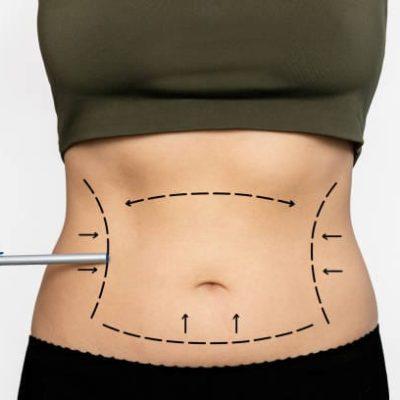
Liposuction is a body contouring procedure designed to remove localised fat deposits from specific areas of the body. Many people consider this treatment when stubborn fat remains despite maintaining a balanced diet and regular physical activity. However, deciding whether to undergo Liposuction in Dubai requires more than understanding the procedure itself. A detailed consultation helps patients learn about their suitability, expected outcomes, potential risks, and recovery requirements.
If you are considering liposuction in Dubai, preparing questions before your appointment can help you make an informed decision. It also allows you to understand the treatment process and communicate your expectations clearly with your medical provider.
Why Is a Liposuction Consultation Important?
A liposuction consultation is an important step before undergoing surgery. Every individual has a different body structure, fat distribution, skin condition, and medical history. Therefore, the same treatment approach may not be appropriate for everyone.
During the consultation, a qualified medical professional evaluates the areas of concern, discusses treatment goals, and reviews relevant health information. This assessment helps determine whether liposuction is suitable or whether another approach may be more appropriate.
Patients should use this appointment to understand the procedure rather than focusing only on the expected physical changes.
1. Am I a Suitable Candidate for Liposuction?
One of the first questions to ask is whether you are medically suitable for the procedure. Liposuction is generally intended for people with localised fat deposits rather than as a primary weight-loss solution.
Your medical provider may consider several factors, including:
-
Overall health and medical history
-
Current body weight and weight stability
-
Fat distribution in targeted areas
-
Skin elasticity and quality
-
Previous surgeries or medical conditions
-
Personal expectations and treatment goals
Understanding your suitability helps establish whether the procedure can reasonably address your concerns.
2. Which Areas of My Body Can Be Treated?
Liposuction can target different areas depending on individual anatomy and medical suitability. Common treatment areas include the abdomen, waist, thighs, hips, upper arms, back, and chin.
Ask your provider which areas can be treated safely and whether treating multiple areas during one procedure is appropriate.
It is also important to discuss how fat distribution influences the overall body shape. Removing fat from one area does not necessarily create the same results for every individual. A personalised assessment helps determine the most appropriate treatment plan.
3. Which Liposuction Technique Is Appropriate for Me?
Different liposuction techniques may be available depending on the treatment area, clinical assessment, and surgical requirements.
Ask your provider to explain which technique they recommend and why it is suitable for your particular concerns.
You can discuss:
-
How the recommended technique works
-
Whether alternative techniques are available
-
The advantages and limitations of each approach
-
Anaesthesia requirements
-
Expected treatment duration
A qualified professional should explain the reasoning behind the recommendation instead of suggesting that one technique is ideal for everyone.
4. What Results Can I Realistically Expect?
Understanding realistic outcomes is essential before choosing liposuction. The procedure can improve body contours by reducing targeted fat deposits, but it cannot guarantee a particular body shape or eliminate every uneven area.
Ask your provider how much improvement may be achievable based on your anatomy and skin condition.
You should also discuss whether loose skin, cellulite, or existing skin irregularities may remain after fat removal. These factors can influence the final appearance.
A clear discussion about limitations helps prevent unrealistic expectations and supports better treatment decisions.
5. What Are the Possible Risks and Complications?
Every surgical procedure involves potential risks, and liposuction is no exception. Patients should understand possible complications before providing consent.
Ask about potential concerns such as:
-
Swelling and bruising
-
Infection
-
Bleeding
-
Fluid accumulation
-
Changes in skin sensation
-
Contour irregularities
-
Anaesthesia-related complications
-
Blood clots and other serious complications
The medical professional should explain how risks are evaluated, what safety measures are followed, and when medical attention may be necessary after surgery.
6. How Long Will Recovery Take?
Recovery is another important topic to discuss during your consultation. Healing time varies depending on the treatment area, amount of fat removed, surgical technique, and individual response.
Ask when you can expect to return to everyday activities, work, exercise, and other physical routines.
You should also clarify:
-
How long swelling and bruising may last
-
Whether compression garments are required
-
What activities should temporarily be avoided
-
How follow-up appointments are arranged
-
Which symptoms require medical attention
Following postoperative instructions is important for supporting healing and monitoring recovery.
7. What Qualifications and Experience Does the Surgeon Have?
Choosing an appropriately qualified surgeon is an essential part of surgical planning. Ask about the surgeon's professional qualifications, relevant training, experience with liposuction, and experience treating the areas you want to address.
You can also ask where the procedure will take place and whether the facility has appropriate surgical equipment, anaesthesia support, and emergency arrangements.
Do not hesitate to request clear explanations about the surgical team's responsibilities and the arrangements for postoperative care.
8. What Preparation Is Required Before Surgery?
Proper preparation helps patients understand their responsibilities before undergoing liposuction.
Ask whether you need any medical tests, medication adjustments, or lifestyle changes before the procedure. Your provider may review existing medications, allergies, smoking habits, and previous health concerns.
You should also ask whether you need someone to accompany you home after surgery and how much time you should arrange for recovery.
Avoid stopping prescribed medication or making significant health-related changes without medical guidance.
9. How Will My Progress Be Monitored After Liposuction?
The consultation should also cover postoperative monitoring. Liposuction results develop gradually as swelling decreases and the treated areas heal.
Ask how frequently follow-up appointments are required and who you should contact if you experience unexpected symptoms.
Regular monitoring allows the medical team to assess healing, identify possible complications, and provide appropriate recommendations throughout recovery.
Liposuction Consultation at Tajmeels Clinic
At tajmeels clinic dubai, patients considering liposuction in Dubai can discuss their body contouring concerns, treatment expectations, and individual requirements during a professional consultation. The assessment process focuses on understanding body composition, targeted fat deposits, skin condition, and relevant medical history. This information helps the medical team evaluate suitability and discuss an appropriate treatment approach. Patients can also raise questions about surgical techniques, possible risks, recovery expectations, and postoperative care. Having these discussions before making a decision supports informed choices and helps patients understand what liposuction can realistically achieve.
Final Thoughts
A liposuction consultation is an opportunity to understand the procedure, evaluate personal suitability, and discuss realistic expectations with a qualified medical professional. Asking questions about treatment techniques, surgical risks, recovery, surgeon qualifications, and follow-up care can help you feel more prepared.
Rather than making a decision based only on appearance or expected results, prioritise medical safety, professional guidance, and individual assessment. A well-informed decision is an important part of the liposuction journey.
More Information
Tajmeels Clinic Dubai
WhatsApp: +971 56 203 8751
Phone: tel:+971 43739000
Social Media:


