


Electrical Steel Market Size, Trends & Outlook 2035
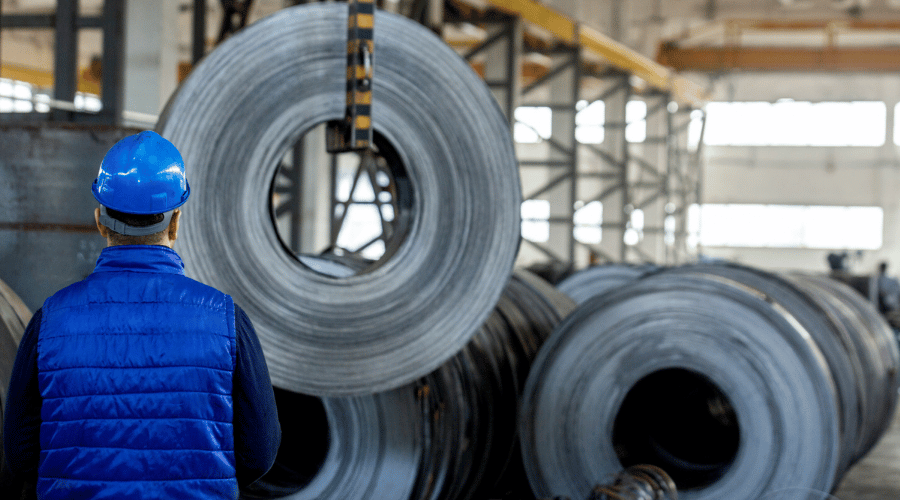
Electrical steel is a specialized magnetic steel used to improve the efficiency of transformers, motors, generators and other electromagnetic equipment. Its ability to reduce core losses and improve magnetic performance makes it a critical material for power transmission, industrial machinery, renewable energy systems and electric mobility.
The global electrical steel market reached approximately USD 49.77 billion in 2025 and is projected to expand at a 7.20% CAGR from 2026 to 2035, reaching nearly USD 99.75 billion by 2035, based on the market figures provided for this analysis. The market's growth is closely connected to electricity demand, grid modernization, renewable-energy deployment, industrial automation and the electrification of transportation.
Unlike ordinary steel, electrical steel is engineered specifically for magnetic applications. Its chemical composition, grain structure, thickness, surface insulation and processing determine how efficiently it can conduct magnetic flux while minimizing energy losses. These characteristics make material quality particularly important as equipment manufacturers pursue higher efficiency and more compact designs.
The transition toward electrification is therefore creating demand at several levels simultaneously. Every new transformer supporting a power network, motor installed in an industrial facility, generator used in renewable energy infrastructure and electric vehicle traction system can create demand for specialized electrical steel.
Electrical Steel Market Growth and Industry Momentum
The electrical steel market is expanding because electricity infrastructure is becoming more extensive and energy efficiency is becoming a higher priority. Grid investment, electric motors, renewable generation and electric vehicles are creating demand for magnetic materials capable of operating efficiently under increasingly demanding conditions.
The International Energy Agency expects global electricity demand to grow strongly through 2026, with electricity consumption forecast to rise at an average rate of 3.6% annually between 2026 and 2030. The IEA also identifies data centers, industrial activity, air conditioning, electric vehicles and heat pumps among the contributors to electricity-demand growth.
That matters for electrical steel because expanding electricity consumption requires investment throughout the electrical infrastructure. Transmission and distribution networks need transformers, while power generation and industrial equipment depend on generators and motors.
Electrification also changes the quality requirements for electrical steel. In conventional industrial motors, manufacturers already seek lower core losses and greater efficiency. In electric vehicles, where motor efficiency directly affects driving range and battery utilization, magnetic losses become even more important.
The same principle applies to renewable energy. Wind turbines use generators that operate continuously and require magnetic materials capable of delivering reliable performance. Solar power systems also contribute indirectly to electrical-steel demand through transformers and grid equipment needed to connect generation to transmission and distribution networks.
Consequently, the market is not being driven by one application alone. It is benefiting from a broad structural shift toward more electricity-intensive economies.
Grain-Oriented and Non-Grain-Oriented Electrical Steel
The electrical steel market is primarily divided into grain-oriented electrical steel (GOES) and non-grain-oriented electrical steel (NOES), with each material optimized for different magnetic applications. Grain-oriented grades are particularly important for transformers, while non-grain-oriented grades are widely used in rotating electrical machines such as motors and generators.
Grain-Oriented Electrical Steel
Grain-oriented electrical steel is manufactured so that its crystal structure provides superior magnetic properties in a preferred direction. This makes it especially suitable for transformer cores, where magnetic flux follows a relatively predictable path.
Transformers are fundamental to modern electricity systems because they raise or lower voltage for efficient transmission and safe distribution. Their cores must transfer magnetic energy with minimal losses, making electrical steel a critical component.
Transformer manufacturers therefore place considerable emphasis on core-loss characteristics, magnetic permeability, thickness and surface insulation. As grid operators replace aging infrastructure and build new transmission capacity, demand for high-quality grain-oriented steel can increase.
The material is also important for increasingly efficient transformer designs. Utilities and industrial customers have stronger incentives to reduce no-load losses because transformers can remain energized continuously, meaning even relatively small efficiency improvements can produce significant lifetime energy savings.
Non-Grain-Oriented Electrical Steel
Non-grain-oriented electrical steel has more uniform magnetic properties in different directions, making it better suited to applications where the magnetic field rotates rather than following one fixed path. This includes motors, generators and many electrical machines.
The growing use of electric motors makes NOES particularly important. Motors are found throughout factories, pumps, compressors, appliances, HVAC systems, industrial machinery and vehicles. Improving motor efficiency can reduce electricity consumption over the equipment's operating life.
Electric vehicles are adding another source of demand. Traction motors require high-performance magnetic materials capable of supporting high rotational speeds and power densities while limiting energy losses. As automotive manufacturers pursue lighter and more efficient drivetrains, the specifications for electrical steel can become increasingly demanding.
Applications Across Transformers, Motors and Generators
Transformers, motors and generators represent the core application base for electrical steel, but each segment is being influenced by a different structural trend. Grid investment supports transformers, industrial electrification and electric mobility support motors, while renewable generation creates additional demand for generator-related electrical equipment.
Transformers and Grid Infrastructure
Transformer demand is closely connected to the modernization of electricity networks. Aging grid assets need replacement, while new renewable generation and growing electricity consumption require additional transmission and distribution capacity.
The expansion of renewable power can increase the need for transformers because electricity generated at one voltage must often be transformed before transmission, distribution or final use. Large-scale wind and solar projects therefore create demand for electrical equipment extending well beyond the generating equipment itself.
The challenge is that transformer supply chains can be complex. Electrical steel is one of several specialized inputs, and shortages or long lead times for transformer components can delay grid projects.
The U.S. Department of Energy has highlighted transformer supply-chain concerns and the strategic importance of electrical steel. In 2024, the DOE announced measures designed to strengthen domestic production capacity for grain-oriented electrical steel and other transformer-related materials.
Motors and Industrial Electrification
Motors account for a substantial share of global electricity consumption, making motor efficiency an important component of energy-transition strategies. Industrial facilities are increasingly replacing inefficient equipment and adopting variable-speed drives, automation and high-efficiency motors.
Electrical steel influences motor performance because core losses contribute to heat generation and energy consumption. Manufacturers therefore balance magnetic performance with material thickness, mechanical properties, manufacturability and cost.
The opportunity extends beyond traditional industry. Electric pumps, compressors, robotics, appliances and HVAC equipment all rely on electric motors. As economies become more electrified, the number and sophistication of motor-driven systems are likely to increase.
Generators and Renewable Energy
Generators convert mechanical energy into electricity and therefore depend heavily on magnetic materials. Wind turbines represent a particularly important growth application because each turbine requires an efficient generator capable of operating reliably under variable conditions.
As wind installations expand, generator manufacturers need materials that combine low losses with strong mechanical and magnetic performance. Larger turbines can also create additional engineering requirements because generator dimensions, rotational speeds and power ratings influence material selection.
Electrical steel therefore sits at an important intersection between the materials industry and renewable-energy expansion.
Electric Vehicles and Advanced Electrical Machines
Electric mobility is becoming an increasingly important demand driver for non-grain-oriented electrical steel because electric vehicles depend on compact, efficient traction motors. The material helps manufacturers control magnetic losses while supporting high power density and operating speeds.
The automotive industry is particularly demanding because the motor must perform across a wide range of conditions while adding as little weight as possible. Electrical steel must therefore satisfy tight requirements for thickness, magnetic losses, strength and manufacturing consistency.
The trend toward higher-voltage architectures and more powerful electric drivetrains can further increase the importance of material engineering. Automakers are also investigating new motor designs, including hairpin windings and high-speed permanent-magnet machines, which can alter the performance requirements placed on electrical steel.
Beyond passenger vehicles, electrification is expanding into commercial vehicles, buses, rail systems and industrial equipment. Each application creates different design requirements, but the common objective is improved efficiency.
This creates opportunities for steelmakers capable of supplying specialized grades rather than treating electrical steel as a standardized commodity. Research and development into thinner gauges, improved coatings and lower core losses is therefore likely to remain central to the industry's competitive strategy.
Regional Market Trends and Growth Opportunities
Asia Pacific is expected to remain a dominant force in the electrical steel industry because of its large manufacturing base, expanding electricity infrastructure and strong position in electric vehicles and industrial equipment. North America and Europe are also strategically important as they invest in grid modernization, renewable energy and domestic supply chains.
Asia Pacific
Asia Pacific benefits from large-scale steel production, extensive electrical-equipment manufacturing and rapidly growing demand for power infrastructure. China, Japan, India and South Korea are particularly important because they combine major industrial economies with substantial automotive, electronics and energy sectors.
China's position in the steel industry gives it significant influence over electrical-steel supply, while its renewable-energy expansion and electric-vehicle industry create substantial downstream demand.
India is also becoming increasingly important. Rising electricity consumption, manufacturing investment, renewable-energy development and infrastructure expansion are strengthening demand for transformers, motors and generators. The country's push toward domestic manufacturing can further encourage investment in specialized steel capacity.
Japan and South Korea remain important because of their sophisticated automotive and electrical-equipment industries. Their manufacturers often require high-performance grades for advanced motors, generators and energy-efficient equipment.
North America
North America's electrical steel market is increasingly influenced by grid resilience, manufacturing localization and electrification. The region faces the challenge of modernizing aging electricity infrastructure while accommodating renewable generation and rising electricity demand.
Supply security has become a strategic issue. The U.S. government has taken steps to encourage domestic electrical-steel production, reflecting concerns about dependence on imported materials for transformers and grid equipment.
Electric vehicles and industrial reshoring also create opportunities for non-grain-oriented electrical steel. As manufacturing facilities invest in automation and electrified equipment, demand can spread across multiple motor-driven applications.
Europe
Europe's electrical steel demand is closely connected to energy efficiency, renewable power and automotive electrification. Strict efficiency standards create incentives for manufacturers to reduce energy losses in motors and transformers.
The region also has an established advanced-steel industry, although energy costs, competition from imports and decarbonization requirements remain significant challenges.
Latin America, Middle East and Africa
Latin America offers opportunities through renewable-energy expansion, industrial development and electricity-grid investment. Brazil, in particular, has a substantial power sector and growing industrial base.
The Middle East and Africa present longer-term potential as electricity access, infrastructure development and industrialization expand. Renewable projects in regions with abundant solar and wind resources can also stimulate demand for transformers and electrical machines.
Competitive Landscape and Leading Electrical Steel Producers
The electrical steel market is competitive and technologically demanding, with leading producers differentiating themselves through product quality, manufacturing scale, process technology, energy efficiency and their ability to supply specialized grades consistently.
The companies covered in the market include ArcelorMittal S.A., China Baowu Steel Group Corp. Ltd., Nippon Steel Corporation, United States Steel Corporation, Steel Authority of India Limited and Tata Steel Limited, alongside other regional and specialized producers.
Nippon Steel is particularly significant in advanced electrical steels, with its product portfolio covering grain-oriented and non-grain-oriented grades for transformers, motors, generators and automotive applications. Its electrical-steel strategy also emphasizes materials designed for electric-vehicle drive motors.
China Baowu's scale provides an important competitive advantage in the Asian market, while ArcelorMittal combines global steelmaking operations with advanced electrical-steel capabilities. U.S. Steel remains strategically relevant in North America, particularly as the region focuses on domestic supply-chain resilience.
India's Tata Steel and Steel Authority of India are also important participants as domestic industrial and energy infrastructure expands. Tata Steel has developed electrical-steel capabilities serving applications such as transformers, motors and generators.
Competition is increasingly moving toward specialized performance rather than simply production volume. Customers need consistent magnetic properties, narrow dimensional tolerances, suitable coatings and reliable delivery. Producers able to meet demanding specifications while controlling manufacturing costs are likely to gain an advantage.
Supply Chain, Technology and Sustainability Challenges
The electrical steel industry faces several interconnected challenges, including energy-intensive production, raw-material costs, manufacturing complexity and the need to expand capacity without compromising quality.
Electrical steel requires specialized processing to achieve its magnetic properties. Small variations in composition, rolling, annealing or coating can influence final performance. This makes production more technically demanding than conventional flat steel.
Energy consumption is another concern. Steelmakers are under pressure to reduce emissions while simultaneously meeting growing demand for electrical steel. Decarbonizing steel production can require substantial investment in energy efficiency, renewable electricity and lower-carbon production processes.
Supply security is becoming equally important. Transformer shortages in several markets have highlighted the risks associated with limited manufacturing capacity and long lead times. Because electrical steel is an essential input into transformer cores, increasing production capacity can contribute to broader grid resilience.
At the same time, manufacturers must avoid simply adding capacity without considering demand cycles. Electrical steel plants require substantial capital investment, and profitability can be affected by fluctuations in steel prices, energy costs, imports and downstream equipment demand.
Research into thinner electrical-steel gauges and improved magnetic properties offers one route to higher efficiency. If a motor or transformer can achieve the same performance with lower losses or less material, the resulting energy savings can outweigh the additional cost of premium steel.
Electrical Steel Market Outlook Through 2035
The electrical steel market is positioned for sustained growth as the global economy becomes increasingly dependent on electricity. The supplied forecast places the market at approximately USD 99.75 billion by 2035, up from USD 49.77 billion in 2025, representing a 7.20% CAGR.
The strongest long-term demand is likely to come from the convergence of several trends. Electricity networks are expanding and being modernized, renewable generation is increasing, industrial equipment is becoming more efficient, and transportation is shifting toward electric drivetrains.
The material itself is also becoming more technologically sophisticated. Future demand will increasingly favor electrical steel grades that combine lower core losses, higher magnetic permeability, improved strength and thinner gauges.
The growth opportunity is therefore not simply quantitative. It is also a shift toward higher-value products. Steelmakers that can develop specialized grades for high-speed motors, electric vehicles, renewable-energy generators and next-generation transformers can potentially capture greater value than producers focused solely on conventional grades.
For equipment manufacturers, material selection will remain a critical engineering decision. A more expensive electrical-steel grade may deliver a lower total cost of ownership if it improves efficiency, reduces heat generation or enables a smaller and lighter machine.

 English
 Arabic
 French
 Portuguese
 Deutsch
 Turkish
 Dutch
Dutch
 Italiano
 Russian
 Romaian
 Portuguese (Brazil)
 Greek
Greek