

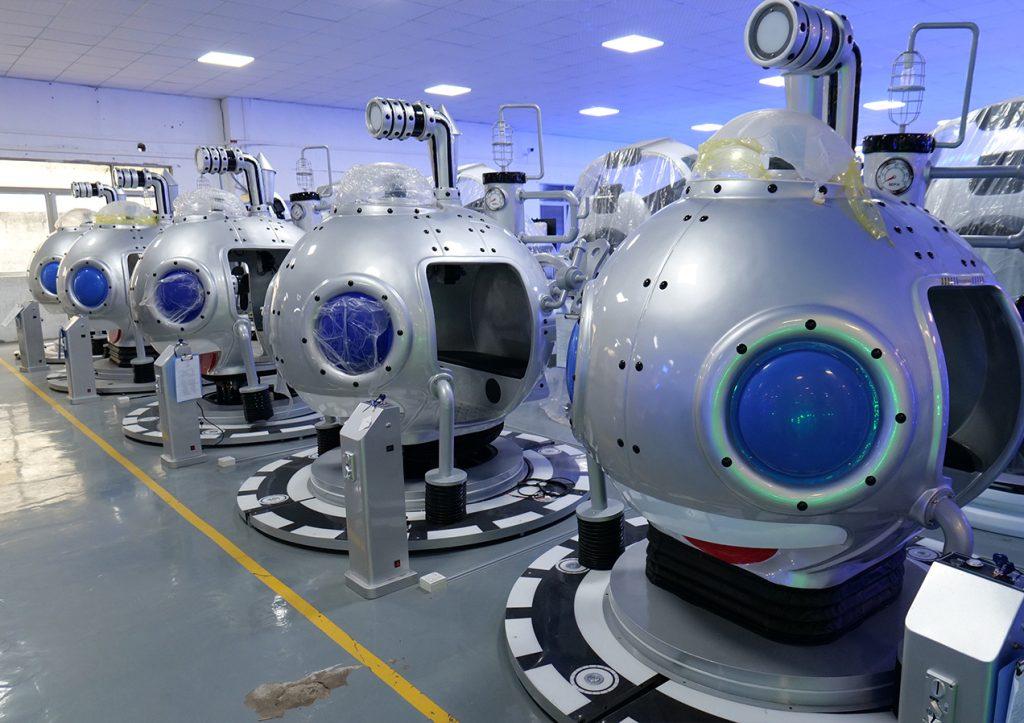
Tracking Commercial VR Machine Performance to Support Better Equipment Management

Managing commercial virtual reality equipment requires regular monitoring to maintain reliable performance and provide visitors with a consistent entertainment experience. Arcade owners, entertainment centers, and VR businesses often operate multiple machines throughout the day, making it important to understand how each unit performs under normal working conditions. A virtual reality machine can provide valuable performance information through usage records, operating hours, system responsiveness, and maintenance history. Tracking these details helps equipment managers identify operational patterns, recognize potential problems, and make informed decisions about machine maintenance.
One of the most useful ways to monitor equipment performance is by recording daily usage. Information such as operating hours, session numbers, average session duration, and idle periods can help businesses understand how frequently each machine is being used. Comparing these records over different days or weeks also helps identify busy periods and changes in customer activity. Managers can use this information to organize equipment availability and distribute usage more evenly across multiple machines.
System performance is another important factor in commercial VR equipment management. Smooth operation, responsive controls, clear visuals, and stable connectivity all contribute to a satisfactory user experience. Regularly checking these features allows staff to recognize performance changes before they affect normal operations. For example, repeated delays, unexpected software interruptions, or tracking inconsistencies may indicate that a system requires inspection, updates, or technical support.
Maintenance records also play an important role in tracking equipment performance. Businesses should document routine cleaning, software updates, hardware inspections, accessory replacements, and completed repairs. Keeping these records in one organized location makes it easier to understand the maintenance history of individual machines. It also helps managers identify recurring issues and determine whether certain components require more frequent attention.
Another useful approach is to establish a regular equipment inspection schedule. Staff members can check headsets, controllers, sensors, cables, displays, and other essential components before opening or during scheduled maintenance periods. These inspections help maintain equipment condition and reduce the likelihood of avoidable interruptions. When a problem is identified, recording its details and the corrective action taken provides useful information for future equipment management.
Performance data can also support better business planning. By comparing machine usage, maintenance frequency, and operating costs, managers can evaluate which equipment is being used effectively and which units may need additional attention. This information can help businesses plan maintenance budgets, schedule equipment upgrades, and make more informed purchasing decisions. Rather than relying on assumptions, managers can use recorded performance information to guide their decisions.
Effective commercial VR equipment management depends on consistent monitoring, organized documentation, and timely maintenance. When businesses track operating conditions and review performance records regularly, they gain a clearer understanding of their equipment's needs. This practical approach supports reliable operation, improves maintenance planning, and helps entertainment businesses maintain an organized environment for both staff and visitors.


