

How Does Tajmeels Clinic Plan Hair Transplant for Patients With Uneven Density?
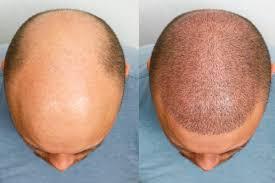
Hair loss does not always affect the scalp evenly. Some individuals experience noticeable thinning around the crown, while others develop reduced density near the temples, hairline, or middle scalp. These uneven patterns can make the hair appear thinner in certain areas, even when other parts maintain good coverage. A Hair Transplant in Dubai can help address selected areas of hair loss by relocating healthy hair follicles from a suitable donor area. However, achieving balanced and natural-looking results requires careful assessment and personalised planning.
At Tajmeels Clinic, hair transplant planning considers individual hair loss patterns, donor hair availability, scalp condition, and long-term expectations. Understanding these factors helps create a treatment approach that considers both existing hair and areas requiring additional coverage.
Understanding Uneven Hair Density
Uneven hair density refers to differences in the number of visible hair strands across different scalp areas. It may develop gradually due to genetic hair loss, hormonal influences, ageing, or other contributing factors.
Common areas affected by uneven density include:
-
Crown area: Hair may become thinner around the back and upper scalp.
-
Frontal hairline: Receding hair can create gaps and reduce coverage.
-
Temple regions: Hair loss around the temples may affect facial framing.
-
Middle scalp: Some individuals experience noticeable thinning between the front and crown.
Identifying the pattern is an important first step because each area may require a different hair restoration strategy.
Why Is Individual Hair Density Assessment Important?
Before planning a hair transplant, a detailed evaluation helps determine where additional coverage may be beneficial. Not every area with visible scalp requires the same number of grafts.
A specialist may examine existing hair distribution, follicle thickness, scalp condition, and the progression of hair loss. The assessment also considers whether thinning is stable or continuing.
This information helps establish realistic treatment goals. It can also reduce the risk of using too many donor follicles in one area while leaving insufficient resources for future hair restoration needs.
How Does Tajmeels Clinic Evaluate the Donor Area?
The donor area generally refers to the region at the back and sides of the scalp, where hair follicles may be suitable for transplantation.
Its quality and availability are important considerations when treating uneven density. The assessment may include:
-
Hair thickness: Thicker hair strands may provide greater visual coverage.
-
Follicle density: The number of available follicles helps determine donor capacity.
-
Hair characteristics: Texture and natural growth patterns influence the appearance of transplanted hair.
-
Scalp health: The condition of the donor area is considered before treatment planning.
The objective is to determine whether enough suitable follicles are available to address the patient's priorities without unnecessarily compromising the donor area.
Planning Graft Distribution for Balanced Coverage
One of the most important aspects of hair transplantation is deciding how grafts should be distributed across different scalp regions.
For example, someone experiencing thinning around both the crown and frontal hairline may require a different approach from someone with isolated temple recession.
The planning process considers the severity of thinning, the size of the affected areas, and the available donor supply. Priority may be given to areas where additional coverage would create the most meaningful visual improvement.
Natural hair growth direction and angle are also important. Incorrect placement can make transplanted hair appear unnatural, even when sufficient grafts have been used.
Considering Existing Hair and Future Hair Loss
Hair transplant planning should not focus exclusively on currently thinning areas. Existing hair may continue to become thinner over time, depending on the underlying cause of hair loss.
A suitable treatment strategy considers the possibility of future changes in hair density. This is particularly important for younger individuals or patients experiencing progressive pattern hair loss.
A qualified specialist may discuss whether medical management or other supportive treatments are appropriate alongside transplantation. The purpose is to develop a realistic long-term approach rather than focusing only on immediate cosmetic improvement.
How Does Hairline Design Influence Overall Density?
Hairline design plays an important role in creating balanced facial proportions. When hair loss affects the frontal region, the placement and direction of transplanted follicles can influence the overall appearance.
A natural-looking hairline generally requires careful consideration of facial structure, age, existing hair characteristics, and individual preferences.
For patients with uneven density, the hairline should also complement the surrounding scalp areas. Creating excessive density at the front while leaving significant gaps behind may produce an unbalanced appearance.
Therefore, planning should consider the relationship between the frontal region, temples, and middle scalp.
The Role of Personalised Consultation at Tajmeels Clinic
At tajmeels clinic dubai, hair transplant planning involves considering each patient's hair loss pattern, donor area suitability, scalp characteristics, and restoration expectations. The consultation provides an opportunity to discuss areas of concern and understand which treatment approach may be appropriate.
Patients can discuss their desired hair coverage, concerns about uneven density, recovery expectations, and potential limitations. The assessment also helps determine whether transplantation is suitable or whether additional evaluation is needed.
This personalised approach supports informed decisions and helps establish realistic expectations before proceeding with hair restoration.
What Results Can Patients Expect After Hair Transplant?
Hair transplant results develop gradually rather than immediately. Transplanted hairs may initially shed during the early recovery period, which is a recognised part of the hair growth cycle. New growth generally becomes noticeable over the following months.
The final appearance depends on several factors, including:
-
Donor hair quality and availability.
-
The number and distribution of transplanted grafts.
-
Individual healing and hair growth patterns.
-
Existing hair density and continued hair loss.
-
Compliance with aftercare instructions.
Not every patient achieves identical density. A specialist should explain the likely outcome and limitations based on the individual's assessment.
Conclusion
Planning a hair transplant for uneven density requires more than filling visible gaps. Donor hair availability, existing follicle distribution, scalp condition, hairline design, and potential future hair loss all influence treatment decisions. At Tajmeels Clinic, personalised assessment helps guide hair restoration planning according to individual needs and realistic expectations. A professional consultation is an important first step towards understanding suitable options for improving hair coverage.
More Information
Tajmeels Clinic Dubai
WhatsApp: +971 56 203 8751
Phone: tel:+971 43739000
Social Media:


