


Build Your Apparel Printing Setup with the xTool DTF Apparel Printer PLUS
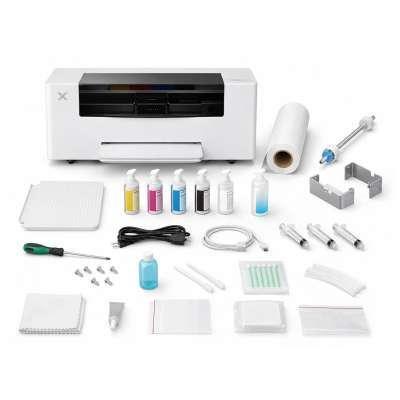
Starting an apparel printing business is no longer limited to large production companies with expensive industrial facilities. Small brands, independent designers, online sellers, and local print shops can now build capable production setups around compact digital equipment. The xTool DTF Apparel Printer PLUS is designed for businesses that want to bring more of their apparel production in-house while keeping the workflow manageable.
For someone comparing a direct to film printing machine, the most important question is not simply how fast it can print. It is whether the complete setup fits the type of work the business actually receives. Order volume, available workspace, fabric choices, maintenance, consumables, and operator experience all deserve consideration before making a purchase.
Start With the Products You Want to Sell
Before choosing equipment, decide what your customers are likely to buy. A business focused on custom T-shirts may need a different production setup from one producing hoodies, uniforms, promotional apparel, or limited-edition merchandise.
Think about the types of orders you expect during a normal week. Will you be producing individual personalized garments, small batches, or larger repeat orders? Your answer can help determine the equipment capacity and workflow you need.
It is also worth considering how often designs will change. Custom apparel businesses frequently deal with different artwork from one order to the next. A digital transfer workflow can be useful when flexibility is more important than producing thousands of identical garments.
Why the Equipment Setup Matters
A printer is only one part of an apparel production operation. The quality of the finished garment depends on several stages working together.
A typical workflow involves:
- Preparing artwork
- Printing the design onto transfer film
- Applying adhesive powder
- Curing the transfer
- Positioning the design
- Heat pressing it onto the garment
- Inspecting the finished product
If one stage is poorly managed, the final result can suffer. That's why beginners should think about the complete production process rather than focusing exclusively on printer specifications.
Understanding the xTool DTF Apparel Printer PLUS
The xTool DTF Apparel Printer PLUS can be considered as part of a broader apparel production strategy rather than an isolated piece of equipment. Businesses looking at DTF Printers should evaluate how a particular system fits into their available workspace, expected workload, and production goals.
A compact setup can be particularly useful for entrepreneurs who are working from a dedicated studio, small commercial space, or developing print operation. Saving floor space can make it easier to organize the rest of the workflow around the printer.
Before purchasing, however, buyers should review the current manufacturer's specifications and included components. Product configurations can change, and the exact contents of a bundle should always be confirmed with the supplier.
Don't Overlook the Heat Press
Once a transfer has been produced, it still needs to be applied correctly to the garment. This is where a dependable heat press becomes important.
Temperature, pressure, and pressing time all affect the finished result. Using inconsistent settings can cause adhesion problems or produce an uneven appearance.
A good production area should therefore give the heat press enough room for comfortable operation. Keeping garments, transfers, and packaging supplies organized nearby can also reduce unnecessary movement during busy periods.
Consumables Deserve Careful Attention
Film, adhesive powder, and ink are recurring business expenses. Their cost should be included when calculating the actual cost of producing each garment.
It can be tempting to choose supplies based solely on the lowest price. That approach may not always make financial sense. Inconsistent consumables can result in wasted garments, failed transfers, additional cleaning, or production delays.
Instead, consider compatibility, consistency, storage requirements, and supplier support. Keeping an appropriate level of commonly used supplies in stock can also prevent an otherwise avoidable production stoppage.
Build a Workspace That Supports the Workflow
A well-organized workspace can make a noticeable difference, especially when orders begin increasing.
Try to keep the production stages logically arranged. For example, artwork preparation and order management can remain near the computer, while printing and transfer preparation can occupy a separate area. Finished garments should have a clean space for inspection and packaging.
Good organization also makes it easier to identify mistakes. If a design, garment, or transfer is clearly labeled during production, there is less chance of sending the wrong product to a customer.
Ventilation, cleanliness, electrical requirements, and safe handling of consumables should also be considered when preparing the workspace.
Learn Before You Scale
New apparel businesses often make the mistake of accepting more orders before they fully understand their production workflow.
Start with test garments. Experiment with different fabrics and artwork styles. Keep notes about settings that produce reliable results. Pay attention to washing performance and inspect finished garments after use.
This learning period can save money later. It is much easier to correct a workflow problem when you're producing ten garments than when you're trying to complete a large commercial order overnight.
Calculate the Real Cost Per Garment
Profit isn't simply the difference between the selling price and the blank T-shirt.
Your calculation should account for:
- Blank apparel
- Ink
- Film
- Adhesive powder
- Electricity
- Packaging
- Shipping
- Equipment maintenance
- Failed or test prints
- Labor
- Marketing
For example, if a garment requires a second pressing or a replacement transfer because of an avoidable mistake, that expense should be reflected in your internal costing.
Accurate numbers make pricing decisions much easier and prevent a growing business from becoming busy without becoming profitable.
Where DTGPRO Fits Into the Buying Process
Businesses researching apparel printing equipment often need more than a product name. They need to understand what type of system fits their workload and what supplies or supporting equipment may be required.
DTGPRO focuses on digital apparel printing solutions and provides equipment and related products for businesses working in this industry. Its product range can be useful for buyers comparing different approaches to apparel production and planning a complete setup.
Rather than choosing equipment based solely on a specification sheet, compare the overall ownership experience: equipment, supplies, training, technical assistance, maintenance, and the type of production you expect to handle.
Think About Your Next Stage of Growth
A small apparel business may begin with friends, local customers, or social media orders. Over time, those orders can develop into recurring work from businesses, organizations, events, or online customers.
Your initial setup should therefore leave room for improvement. That does not necessarily mean buying the largest available system. It means choosing equipment and organizing your workflow in a way that won't create unnecessary limitations as demand increases.
Consider how additional orders would affect your printing schedule, heat-press capacity, packaging process, and inventory management. Planning these details early makes expansion considerably easier.
Final Thoughts
Building an apparel printing setup is a practical project when approached as a complete production workflow rather than a single equipment purchase. The xTool DTF Apparel Printer PLUS can be part of that setup for businesses looking to produce customized apparel in-house, but the right choice ultimately depends on workload, workspace, budget, and production goals. For entrepreneurs comparing DTF Printer options, taking time to evaluate equipment, consumables, workflow, support, and future capacity can create a stronger foundation for a sustainable apparel printing business.

 Arabic
 French
 Spanish
 Portuguese
 Deutsch
 Turkish
 Dutch
Dutch
 Italiano
 Russian
 Romaian
 Portuguese (Brazil)
 Greek
Greek