


Digital Printing on Fabric: Complete Guide and Benefits
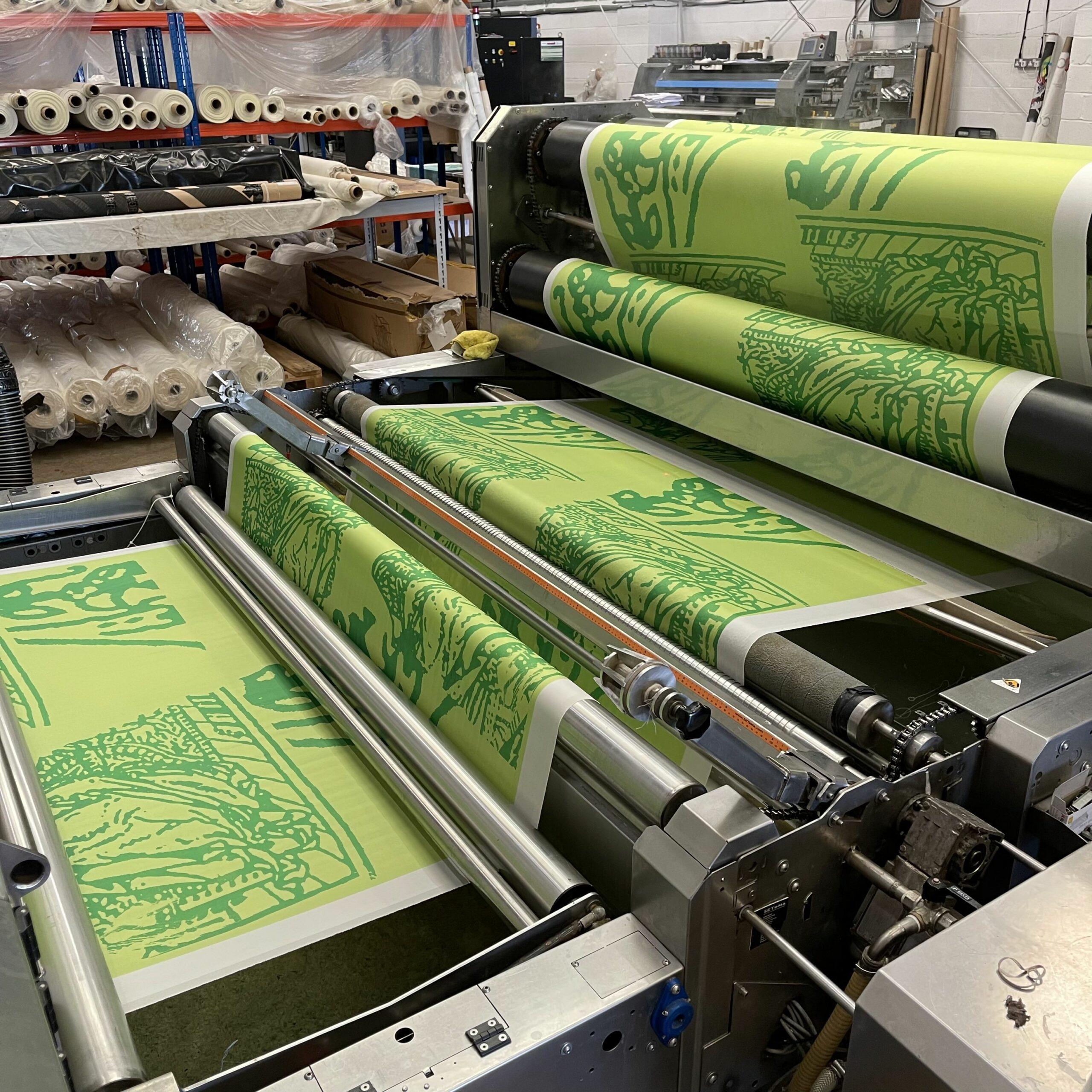
Digital printing on fabric has revolutionized the textile industry by making it easier to create vibrant, detailed, and customized designs with exceptional precision. Unlike traditional printing methods that rely on screens or engraved rollers, digital textile printing transfers artwork directly from a computer to fabric using specialized inkjet technology. This approach minimizes setup time, supports short production runs, and delivers consistently high-quality results.
As consumer demand for personalized clothing, home décor, promotional products, and custom textiles continues to grow, Digital printing on fabric has become an essential solution for manufacturers, designers, and entrepreneurs. It allows businesses to produce unique designs quickly while maintaining excellent print quality and reducing production complexity. From fashion collections to interior decoration, digital textile printing has transformed how fabrics are designed and manufactured.
What Is Digital Printing on Fabric?
Digital printing on fabric is a textile printing method that applies digital artwork directly onto fabric using advanced textile printers. Instead of producing separate printing screens for every color, the printer reads a digital design file and reproduces it directly on the fabric surface.
Specialized textile inks are applied as microscopic droplets, allowing the printer to create intricate patterns, detailed illustrations, realistic photographs, and smooth color transitions. After printing, the fabric undergoes heat curing or steam fixation to permanently bond the ink with the fibers, improving durability and wash resistance.
This technology provides greater flexibility than many traditional printing methods while simplifying the overall production process.
How Digital Printing on Fabric Works
The printing process includes several important stages.
Artwork Preparation
The design is created using professional graphic design software. High-resolution artwork helps produce clear details and accurate colors.
Fabric Selection
Choosing the correct fabric is essential because different materials respond differently to textile inks. Cotton, polyester, silk, linen, rayon, and blended fabrics are commonly used.
Pretreatment
Many fabrics receive pretreatment before printing. This improves ink absorption, enhances color intensity, and increases durability.
Printing
The prepared fabric passes through a digital textile printer, which applies microscopic droplets of ink according to the digital artwork.
Heat Fixing
The printed fabric is heat-treated or steam-fixed so the ink permanently bonds with the fibers. The fabric is then washed, dried, and prepared for manufacturing.
Types of Digital Fabric Printing
Different digital textile printing technologies are available depending on the intended application.
Direct to Fabric Printing
This method prints directly onto fabrics such as cotton, silk, linen, and rayon. It is commonly used for garments, fashion accessories, and home furnishings.
Dye Sublimation Printing
Dye sublimation is primarily used for polyester fabrics. The design is first printed onto transfer paper before being transferred to the fabric using heat and pressure.
The dye penetrates the fibers, producing vibrant colors while preserving the softness of the fabric.
Direct to Garment Printing
Direct to Garment printing focuses on finished garments such as T-shirts, hoodies, and sweatshirts. It is widely used by print-on-demand businesses and custom apparel companies.
Fabrics Suitable for Digital Printing
Digital textile printing works effectively on a variety of materials, including:
- Cotton
- Polyester
- Silk
- Linen
- Rayon
- Canvas
- Bamboo fabric
- Cotton blends
- Polyester blends
Selecting suitable inks and preparation methods ensures long-lasting print quality and excellent color reproduction.
Benefits of Digital Printing on Fabric
Digital textile printing offers several significant advantages.
Outstanding Print Quality
Modern digital printers reproduce fine details, smooth gradients, realistic images, and vibrant colors with remarkable precision.
Unlimited Design Freedom
Complex multicolor artwork can be produced without creating separate screens for each color.
Faster Production
Minimal setup allows production to begin immediately after artwork approval.
Cost Effective for Small Orders
Digital printing eliminates screen preparation costs, making customized and short production runs economical.
Product Personalization
Every printed product can feature unique artwork, making digital printing ideal for personalized clothing, promotional items, and limited collections.
Efficient Resource Usage
Ink is applied only where required, helping reduce waste and improve manufacturing efficiency.
Applications of Digital Printing on Fabric
Digital textile printing serves many industries.
Fashion and Apparel
Designers use digital printing to create dresses, shirts, jackets, scarves, and exclusive fashion collections with intricate graphics.
Home Furnishings
Curtains, bedding, upholstery fabrics, table linens, and decorative cushions often feature digitally printed patterns.
Sportswear
Sports apparel manufacturers produce lightweight garments with colorful, durable graphics suitable for athletic performance.
Promotional Products
Businesses print logos and marketing graphics on bags, banners, exhibition displays, and branded textile merchandise.
Interior Decoration
Hotels, offices, restaurants, and commercial buildings use digitally printed fabrics for decorative panels, furniture upholstery, and wall coverings.
Practical Benefits and Key Insights
One of the greatest strengths of digital textile printing is flexibility. Businesses can introduce new products quickly because artwork can be updated without investing in expensive printing screens.
Print-on-demand manufacturing is another important benefit. Products are printed only after customers place orders, reducing inventory costs and minimizing excess stock.
Creative possibilities are also greatly expanded. Designers can reproduce watercolor paintings, realistic photography, detailed illustrations, and complex color gradients with exceptional accuracy.
For startups and small businesses, digital printing provides an affordable opportunity to manufacture professional-quality textile products without requiring large production quantities.
In addition, modern digital printing systems contribute to more efficient manufacturing by reducing unnecessary ink consumption and minimizing material waste.
Common Challenges and Considerations
Although digital textile printing offers numerous advantages, businesses should also consider several challenges.
Equipment Investment
Professional textile printers require a considerable financial investment.
Fabric Compatibility
Different fabrics require specific inks and pretreatment methods to achieve optimal results.
Color Consistency
Maintaining identical colors across production batches requires proper calibration and effective quality control.
Printer Maintenance
Routine maintenance helps prevent clogged print heads and ensures consistent printing performance.
Large Production Runs
Traditional screen printing may remain more economical for extremely large production quantities featuring relatively simple designs.
Frequently Asked Questions
1. What is Digital printing on fabric?
Digital printing on fabric is a textile printing process that transfers digital artwork directly onto fabric using specialized inkjet printers.
2. Which fabrics can be digitally printed?
Cotton, polyester, silk, linen, rayon, canvas, bamboo fabric, and blended fabrics are commonly used.
3. Is digital fabric printing durable?
Yes. With appropriate inks and proper finishing methods, digitally printed fabrics maintain vibrant colors after repeated washing.
4. Is digital printing suitable for customized products?
Yes. Digital printing allows manufacturers to create unique designs without preparing new printing screens for every order.
5. How does digital printing differ from traditional screen printing?
Digital printing transfers artwork directly from a computer to fabric, making it ideal for customized products and smaller production runs, while screen printing is often more economical for high-volume manufacturing.
Conclusion
Digital printing on fabric has become one of the most important technologies in modern textile production because it combines speed, flexibility, precision, and exceptional print quality. It enables businesses to manufacture customized textile products efficiently while meeting increasing consumer demand for personalization and rapid production.

 English
 Arabic
 French
 Spanish
 Portuguese
 Turkish
 Dutch
Dutch
 Italiano
 Russian
 Romaian
 Portuguese (Brazil)
 Greek
Greek