


Golden Triangle Tour 3 Days
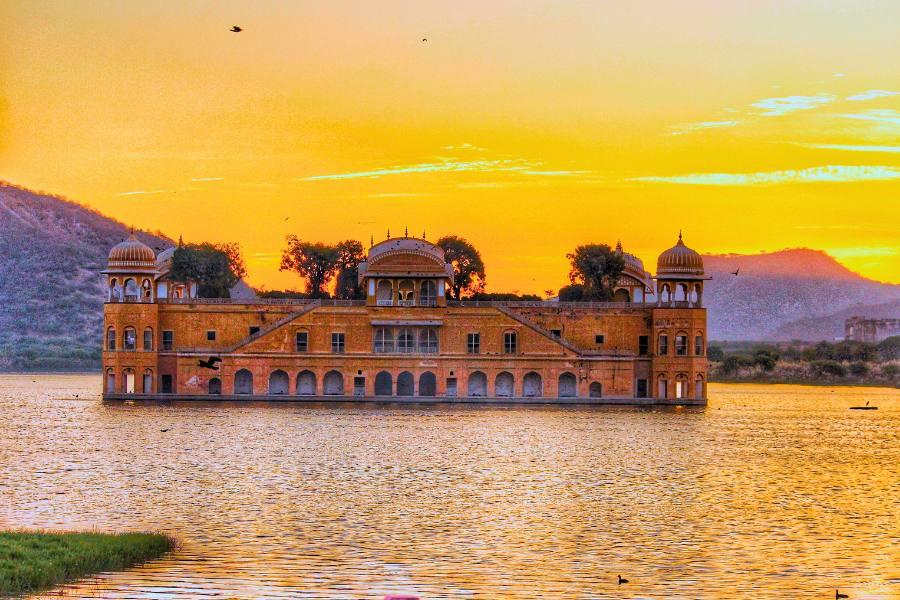
Golden Triangle Tour 3 Days: The Ultimate Delhi, Agra and Jaipur Travel Guide
A Golden Triangle Tour 3 Days is one of the most popular short trips for travelers who want to experience the highlights of northern India in a limited amount of time. The classic Golden Triangle connects Delhi, Agra, and Jaipur, three cities that together showcase India's fascinating combination of Mughal history, royal Rajasthan, colorful markets, magnificent architecture, traditional cuisine, and modern urban life.
The route forms a rough triangle on the map, with Delhi as the national capital, Agra as the home of the Taj Mahal, and Jaipur as the famous Pink City of Rajasthan. Although three days is a relatively short time, a carefully planned itinerary can cover the most important attractions without making the journey unnecessarily stressful.
A typical 3-day Golden Triangle itinerary starts in Delhi, travels to Agra, and then continues to Jaipur before finishing in Jaipur or returning to Delhi. Travelers can choose private cars, trains, or a combination of transportation depending on their budget and preferences. For first-time visitors, a private car with a professional driver is particularly convenient because it provides flexibility between the three destinations.
The highlight for many travelers is the Taj Mahal in Agra, while Delhi introduces visitors to India's political and historical heritage and Jaipur provides an unforgettable introduction to Rajput architecture and Rajasthani culture. The result is a compact but rewarding journey through three very different sides of India.
What Is the Golden Triangle Tour?
The Golden Triangle of India refers to the tourist circuit connecting Delhi, Agra, and Jaipur. It is called the Golden Triangle because the three cities create a triangular route on a map and collectively contain some of northern India's most famous cultural and historical attractions.
Delhi represents India's political and historical heart. It combines monuments from several periods with busy markets, modern neighborhoods, colonial architecture, museums, restaurants, and religious sites. Agra is best known internationally for the Taj Mahal but also contains Agra Fort and other Mughal monuments. Jaipur introduces visitors to the royal heritage of Rajasthan, including magnificent forts, palaces, colorful bazaars, and traditional crafts.
The Government of India's tourism material also recognizes the 3-day Golden Triangle Tour as a classic short outstation itinerary covering attractions in Delhi, Agra, and Jaipur.
The route is particularly suitable for international travelers visiting India for the first time because it provides a broad introduction to the country's history and culture without requiring a very long trip.
Why Choose a 3-Day Golden Triangle Tour?
A three-day tour is ideal for travelers who have limited vacation time but still want to see several iconic Indian landmarks. Instead of spending an entire week in one region, you can experience three major cities in a compact itinerary.
The greatest advantage is variety. Delhi offers a mixture of ancient and modern India, Agra focuses strongly on Mughal heritage, and Jaipur introduces the colorful royal culture of Rajasthan. Every day feels different.
A Golden Triangle Tour 3 Days can also be customized according to your arrival and departure city. Some travelers begin in Delhi and finish in Jaipur, while others return to Delhi after visiting Jaipur. If your international flight arrives in Delhi and departs from Delhi, a circular itinerary can be arranged. If you have an onward flight from Jaipur, finishing there can save considerable travel time.
The tour also works well for couples, families, honeymooners, photographers, solo travelers, and small groups. A private vehicle makes it possible to adjust the schedule depending on the group's interests and energy levels.
Day 1: Delhi Sightseeing and Delhi to Agra
The first day begins in Delhi, India's capital and one of the country's most historically layered cities. Depending on your arrival time, the day can focus on major attractions in Old Delhi and New Delhi before traveling toward Agra.
If you have a full morning available, start with India Gate, followed by the President's House area and other important landmarks in central Delhi. Depending on the itinerary and opening schedules, you can then visit Qutub Minar, Humayun's Tomb, or the Lotus Temple.
For travelers interested in history, Humayun's Tomb is particularly worthwhile because its Mughal architecture provides an important connection to the architectural traditions later perfected in Agra. Qutub Minar, meanwhile, introduces a much earlier period of Delhi's history.
Old Delhi provides a completely different atmosphere. The narrow streets around Jama Masjid and Chandni Chowk are filled with markets, food stalls, historic buildings, and local activity. A short rickshaw experience through the old city can add a memorable cultural element to the tour.
After Delhi sightseeing, begin the journey toward Agra. Depending on your transportation and traffic conditions, the journey can take several hours. Once you reach Agra, check into your hotel and relax.
If time and energy permit, you can visit Mehtab Bagh for an evening view toward the Taj Mahal or explore a local market.
Day 1 Evening in Agra
The first evening in Agra should ideally be relaxed because the following morning is the most important sightseeing period of the entire tour.
If you want to see the Taj Mahal around sunrise, staying overnight in Agra is highly recommended. This eliminates the need to travel from Delhi before dawn and allows you to reach the monument shortly after opening.
The official Taj Mahal website states that the monument opens approximately 30 minutes before sunrise and closes approximately 30 minutes before sunset on normal visiting days. It is closed to general visitors every Friday.
The evening can also be used for exploring Agra's handicraft traditions. Marble inlay work, leather products, textiles, and traditional souvenirs are among the items visitors may encounter.
However, avoid spending too much time shopping if you want an early start the next morning. The Taj Mahal is best enjoyed when you are rested and have enough time to explore the complex without rushing.
A comfortable dinner followed by an early night is usually the best preparation for Day 2.
Day 2: Taj Mahal Sunrise and Agra Fort
Day 2 is the highlight of the Golden Triangle Tour 3 Days because it begins with one of the world's most famous monuments.
Wake up early and travel to the Taj Mahal before sunrise. The official Taj Mahal information notes that sunrise is preferred by many tourists because the softer morning light can give the monument a beautiful appearance while the early hours can also help visitors avoid some of the heat and crowds.
As the sky becomes brighter, the white marble gradually changes in appearance. Depending on weather conditions, the monument may appear pinkish, silver, cream, or golden. The reflecting pool and symmetrical gardens create excellent opportunities for photography.
Take your time walking through the gardens and observing the architectural details. The Taj Mahal is much more than the central dome. Its four minarets, marble screens, calligraphy, inlay work, mosque, guest house, gardens, and surrounding architecture all contribute to the overall design.
After the Taj Mahal, return to your hotel for breakfast and then continue to Agra Fort.
Agra Fort is approximately 2.5 kilometers from the Taj Mahal according to the Agra district administration. The fort was rebuilt in red sandstone under Emperor Akbar and later received major white-marble additions under Shah Jahan.
Exploring Agra Fort
Agra Fort provides an important historical contrast to the Taj Mahal. While the Taj Mahal is primarily associated with love and remembrance, Agra Fort reflects imperial power, military strategy, royal life, and Mughal politics.
The massive red sandstone walls surround a complex containing palaces, halls, courtyards, mosques, and private residences. Important structures include Jahangir Mahal, Khas Mahal, Diwan-i-Aam, Diwan-i-Khas, Sheesh Mahal, Musamman Burj, and Moti Masjid.
Musamman Burj is particularly interesting because it offers a view toward the Taj Mahal. According to the Agra district information, Shah Jahan spent his final years in this part of the fort.
Agra Fort is currently listed as open from sunrise to sunset, all days of the week. The current listed entry fee is ₹50 for Indian citizens, ₹90 for SAARC/BIMSTEC nationals, and ₹650 for other foreign nationals, although fees can be revised by the authorities.
After exploring the fort, stop for lunch before beginning the journey toward Jaipur.
Agra to Jaipur: The Scenic Road Journey
After lunch in Agra, the Golden Triangle journey continues toward Jaipur, the capital of Rajasthan.
The road between Agra and Jaipur passes through an interesting mixture of rural landscapes, small towns, agricultural areas, and historic destinations. For a three-day tour, traveling by private car is usually the most flexible option because you can stop along the way.
One of the most important optional stops is Fatehpur Sikri, the historic Mughal city located outside Agra. If your schedule allows, it can be included between Agra and Jaipur.
Fatehpur Sikri was developed during the reign of Emperor Akbar and contains impressive Mughal architecture, courtyards, palaces, and religious buildings. However, because the Golden Triangle itinerary is only three days long, travelers should carefully consider whether they want to add this stop.
If you are particularly interested in Mughal history, Fatehpur Sikri is worth considering. If you prefer a relaxed schedule, it may be better to travel directly to Jaipur and spend more time exploring the Pink City.
Arrive in Jaipur in the evening, check into your hotel, and enjoy dinner.
Day 2 Evening in Jaipur
Jaipur feels completely different from Delhi and Agra. The city is famous for its pink-colored historic architecture, royal palaces, colorful bazaars, traditional jewelry, textiles, handicrafts, and Rajasthani cuisine.
Your first evening can be used for a relaxed walk through the old city or a visit to a local market. The Johari Bazaar area is well known for jewelry, while other markets offer textiles, handicrafts, blue pottery, souvenirs, and traditional clothing.
Food is another important part of the Jaipur experience. Depending on your preferences, you can try Rajasthani dishes such as dal baati churma, gatte ki sabzi, ker sangri, and various sweets.
Do not try to complete major sightseeing attractions late at night. The following morning will be busy, so an early dinner and good night's sleep will make Day 3 much more enjoyable.
Day 3: Jaipur Sightseeing
The third day begins with the royal heritage of Jaipur.
Start with Amber Fort, one of the most impressive attractions near Jaipur. The fort sits on a hill and combines Rajput and Mughal architectural influences.
Rajasthan Tourism currently lists the Amber Palace complex opening hours as approximately 8:00 AM to 5:30 PM.
The fort contains large courtyards, ornate halls, gateways, gardens, and decorative interiors. Visitors can walk through the complex while learning about the Rajput rulers who once used it as an important royal residence.
The hilltop setting also provides excellent views of the surrounding landscape.
When visiting Amber Fort, allow enough time to explore instead of treating it as a quick photo stop. The scale of the complex means that rushing through the main areas can significantly reduce the experience.
Travelers should also be aware of animal welfare considerations when evaluating transportation or animal-based activities around tourist sites. Walking or using authorized local transportation options may be preferable for many visitors.
City Palace Jaipur
After Amber Fort, continue to City Palace, located in the heart of Jaipur's historic center.
City Palace represents the royal heritage of Jaipur and includes courtyards, gateways, museums, decorated halls, and palace buildings. The complex provides an excellent introduction to the lifestyle and artistic traditions of the former Jaipur royal family.
The architecture combines Rajput, Mughal, and European influences, reflecting the city's historical connections with different cultural traditions.
Inside the complex, visitors can see textiles, weapons, manuscripts, royal clothing, decorative arts, and other historical objects depending on the current museum displays.
For travelers interested in photography, the palace offers numerous colorful details. Intricate doors, painted walls, carved stonework, and decorative elements create a completely different visual experience from the white marble of the Taj Mahal.
Because the Golden Triangle itinerary is short, focus on the major areas rather than trying to see every possible room or museum.
Hawa Mahal: The Icon of Jaipur
No Golden Triangle Tour 3 Days is complete without seeing Hawa Mahal, or the Palace of Winds.
The famous pink-and-red façade is one of Jaipur's most recognizable landmarks. Its numerous small windows and decorative openings were designed as part of the palace's architectural concept and are particularly photogenic from the street.
The best way to experience Hawa Mahal is to view the façade from the opposite side of the road and then explore the surrounding old-city streets.
Early morning or late afternoon can provide attractive light for photography. If you are traveling with a private guide, ask them to explain the history and purpose of the building rather than simply stopping for a photograph.
The area around Hawa Mahal is also surrounded by markets, cafés, shops, and historic streets, making it an excellent place to experience Jaipur beyond its major monuments.
Jantar Mantar Jaipur
If time permits, continue to Jantar Mantar, the historic astronomical observatory located close to City Palace and Hawa Mahal.
The site contains monumental astronomical instruments designed to measure time, observe celestial positions, and perform various calculations. It demonstrates the scientific interests and technical knowledge present in 18th-century Jaipur.
Jantar Mantar is particularly interesting because it shows that the Golden Triangle is not only about palaces and monuments. The region also has a rich history of science, astronomy, mathematics, art, architecture, and engineering.
A guide can make the visit more understandable because some of the instruments may appear confusing without an explanation of their purpose.
If you are traveling with children or teenagers, Jantar Mantar can also be an educational addition to the itinerary.
Best Transportation for a 3-Day Golden Triangle Tour
Transportation is one of the most important decisions when planning a three-day Golden Triangle trip.
A private car is generally the most flexible option. You can start sightseeing early, stop at attractions along the route, keep luggage in the vehicle, and adjust the schedule according to your preferences.
Train travel can also be useful between major cities, especially for travelers who enjoy India's railway system. However, trains require you to follow fixed schedules and arrange local transportation at each destination.
For a three-day itinerary, a private vehicle has one major advantage: time efficiency. You don't need to travel to a railway station, wait for a train, collect luggage, and arrange a separate vehicle after arriving.
A professional driver who knows the Delhi–Agra–Jaipur route can also help make the journey smoother.
For international visitors, combining a private car with licensed local guides in each city can be particularly convenient.
Best Time for a Golden Triangle Tour
The Golden Triangle can be visited throughout the year, but the experience varies significantly by season.
The cooler months from roughly October through March are generally preferred by many travelers because sightseeing is more comfortable. Winter mornings can be cold and foggy, particularly around Delhi and Agra, but daytime temperatures can be pleasant.
Spring can also provide comfortable conditions before the summer heat becomes intense.
Summer can be extremely hot, particularly in Agra and Jaipur. If traveling during this period, start sightseeing early and avoid spending long periods outdoors during the middle of the afternoon.
The monsoon season brings higher humidity and rainfall. Rain can occasionally interrupt outdoor sightseeing, but it can also give historic monuments and landscapes a different atmosphere.
The official Taj Mahal FAQ recommends October through March as a favorable period for visiting Agra.
Golden Triangle Tour 3 Days for Couples
The Golden Triangle is an excellent itinerary for couples and honeymooners because every destination offers a different romantic experience.
Agra naturally becomes the emotional centerpiece because of the Taj Mahal. A sunrise visit followed by breakfast and a private sightseeing experience can create an unforgettable day.
Jaipur provides a royal atmosphere with historic palaces, colorful markets, rooftop restaurants, and beautiful architecture. Couples can enjoy traditional Rajasthani cuisine and explore the old city together.
Delhi adds another dimension through its historic monuments, gardens, restaurants, and cultural experiences.
For couples, a private vehicle is usually preferable because it provides more flexibility and privacy than public transportation.
The itinerary can also be upgraded with premium hotels, private guides, romantic dinners, professional photography, or a more relaxed schedule.
Golden Triangle Tour for Families
Families can also enjoy a three-day Golden Triangle trip, although the itinerary should not be overloaded.
Children may particularly enjoy the forts and palaces in Jaipur and Agra. Delhi provides museums, monuments, and markets that can also be interesting for older children.
Parents should keep the sightseeing schedule flexible and include regular meal and rest breaks. Traveling long distances while simultaneously visiting multiple monuments can be tiring for young children.
A private car is often the most convenient choice for families because children can rest between destinations and luggage can remain in the vehicle.
Comfortable footwear, sunscreen, hats, water, and weather-appropriate clothing are important throughout the trip.
Families should also explain heritage-site rules to children. Visitors should not touch delicate surfaces, climb restricted structures, litter, or disturb other tourists.
Taj Mahal Ticket Information for Your Golden Triangle Tour
Because the Taj Mahal is the most important attraction for many travelers, understanding the current ticket system is essential.
The official Taj Mahal website currently lists ₹50 for Indian/domestic/OCI visitors, ₹540 for SAARC/BIMSTEC visitors, and ₹1,100 for other foreign visitors. An additional ₹200 is required for those who want to enter the main mausoleum.
Children below 15 are currently listed as exempt from the entry fee.
Online ticket purchases receive a small discount according to the official website, while ticket windows are also available at the monument.
Always verify the latest official pricing before your trip because monument fees can be revised.
The Taj Mahal is closed to general visitors every Friday, so your three-day itinerary should be planned carefully around this weekly closure.
Important Taj Mahal Rules
Travelers should understand the monument rules before arriving.
The official Taj Mahal information states that drone cameras are strictly prohibited. Visitors must carry government-issued identification, and water bottles are permitted.
Food and eatables are not permitted inside the Taj Mahal, while photography is prohibited inside the main mausoleum. Large bags should also be avoided because they can increase security-check time.
Tripods require appropriate permission, and visitors should not touch or scratch the marble surfaces or other historic structures.
The monument is a protected heritage site, so responsible tourism is essential. Follow security instructions, stay within designated areas, and dispose of waste properly.
What to Pack for a Golden Triangle Tour
Packing correctly can make a three-day tour much more comfortable.
Bring lightweight clothing, comfortable walking shoes, sunglasses, sunscreen, a hat, personal medication, a phone charger, and essential travel documents.
If you are traveling during winter, bring a warm jacket or sweater because mornings can be quite cold.
A small day bag is better than a large backpack. This is especially useful when visiting the Taj Mahal because security checks can take longer with unnecessary belongings.
International visitors should keep their passports and important documents secure.
A reusable water bottle can be useful, although you should follow the rules of each monument regarding what can be carried inside.
For photographers, a lightweight camera setup is usually sufficient. Avoid carrying a drone because drones are prohibited at the Taj Mahal.
How Much Does a Golden Triangle Tour Cost?
The cost of a Golden Triangle Tour 3 Days varies considerably depending on accommodation, transportation, guide services, vehicle type, meals, entrance tickets, and travel season.
A budget tour may use standard hotels and shared or economical transportation. A mid-range package can include comfortable hotels, a private air-conditioned vehicle, and local guides. Luxury tours may include five-star hotels, premium vehicles, private experiences, and high-end restaurants.
Entrance fees should be calculated separately unless the tour operator clearly confirms that they are included.
Travelers should also consider driver expenses, tolls, parking charges, taxes, meals, shopping, and optional activities.
When comparing tour packages, do not focus only on the headline price. Ask for a detailed list of inclusions and exclusions.
A slightly more expensive package with a reliable vehicle, experienced driver, good hotels, and professional guides may provide considerably better value than a very cheap package with hidden costs.
Why Book a Private Golden Triangle Tour?
A private tour gives travelers significantly more flexibility than a fixed group itinerary.
You can choose your hotel category, departure times, sightseeing pace, restaurants, and optional attractions. If you want to spend more time at the Taj Mahal and less time shopping, the itinerary can be adjusted accordingly.
Private tours are also convenient for families and couples because you do not have to wait for other travelers.
A professional driver familiar with the route can help manage the long journeys between cities. Local guides can then provide specialized knowledge at the major monuments.
For a three-day trip, this flexibility is particularly valuable because every hour matters.
The goal should not be to see the maximum possible number of attractions. Instead, the best itinerary balances sightseeing with enough time to enjoy each destination.
Golden Triangle Tour 3 Days: Recommended Itinerary
A practical three-day itinerary can look like this:
Day 1 – Delhi to Agra
Start with Delhi sightseeing, visiting major attractions such as India Gate, Humayun's Tomb, Qutub Minar, or selected Old Delhi landmarks depending on your arrival time. After lunch, drive toward Agra. Check into your hotel and relax. Enjoy an optional evening view of the Taj Mahal from a suitable viewpoint.
Day 2 – Agra to Jaipur
Wake early for the Taj Mahal. Spend around two to three hours exploring the complex and photographing the monument. Return for breakfast and visit Agra Fort. Have lunch and continue toward Jaipur. Consider a stop at Fatehpur Sikri if your schedule allows. Arrive in Jaipur and spend the evening exploring a market or enjoying a traditional dinner.
Day 3 – Jaipur Sightseeing
Visit Amber Fort in the morning, followed by City Palace, Jantar Mantar, and Hawa Mahal. Depending on your departure arrangements, enjoy lunch in Jaipur before traveling onward.
This itinerary can be reversed or modified according to your flight, train, or hotel arrangements.
Can You Complete the Golden Triangle in Three Days?
Yes, but you need realistic expectations.
Three days is enough to experience the major highlights, but it is not enough to explore every attraction in Delhi, Agra, and Jaipur.
The best approach is to prioritize the essential landmarks: Delhi's major heritage attractions, the Taj Mahal and Agra Fort, and Jaipur's Amber Fort, City Palace, Hawa Mahal, and Jantar Mantar.
Avoid trying to visit too many lesser-known attractions unless you have a particular interest in them.
A private vehicle, centrally located hotels, early starts, and advance ticket arrangements can significantly improve the experience.
If you have four or five days available, extending the tour is worthwhile. However, travelers with limited vacation time can still experience the essence of the Golden Triangle in three days.
Golden Triangle Tour from Delhi or Jaipur
Most international visitors begin their Golden Triangle journey in Delhi because the city has major international flight connections.
However, the itinerary can also begin in Jaipur. Travelers arriving in Jaipur can visit Jaipur first, continue to Agra, and finish in Delhi.
Another popular option is to start in Delhi, travel to Agra, continue to Jaipur, and then fly from Jaipur to another destination.
This flexibility makes the Golden Triangle suitable for travelers with different flight arrangements.
When booking your tour, decide whether you need a Delhi-to-Delhi, Delhi-to-Jaipur, Jaipur-to-Delhi, or customized itinerary.
A one-way itinerary can save travel time if your next destination is already in Rajasthan or another part of India.
Final Thoughts on the Golden Triangle Tour 3 Days
The Golden Triangle Tour 3 Days is a compact introduction to some of India's most fascinating destinations. In just three days, travelers can experience the historic energy of Delhi, the timeless beauty of the Taj Mahal and Mughal heritage in Agra, and the royal architecture and colorful culture of Jaipur.
The secret to enjoying this short itinerary is planning. Start early, keep the number of attractions realistic, choose efficient transportation, stay overnight in Agra, and arrange your monument tickets and hotels in advance.
The Taj Mahal should be given enough time to appreciate its architecture rather than treating it as a quick photograph. Agra Fort adds important historical context, while Jaipur's forts, palaces, markets, and observatory provide a completely different cultural experience.
For first-time visitors to India, few three-day routes offer such a diverse combination of history, architecture, cuisine, photography, and culture.
If you want to experience India's most famous northern heritage destinations in a short period, a well-planned Golden Triangle Tour 3 Days is an excellent choice.
Frequently Asked Questions
1. What cities are included in the Golden Triangle Tour?
The classic Golden Triangle consists of Delhi, Agra, and Jaipur. Delhi is the national capital, Agra is home to the Taj Mahal, and Jaipur is the capital of Rajasthan and the famous Pink City.
2. Is three days enough for a Golden Triangle Tour?
Yes. Three days are enough to visit the major highlights, but the itinerary will be relatively fast-paced. A good plan focuses on the major attractions rather than attempting to see every monument in each city.
3. Can I see the Taj Mahal at sunrise on a Golden Triangle tour?
Yes, provided you stay overnight in Agra and schedule your visit early enough. The Taj Mahal opens approximately 30 minutes before sunrise on normal visiting days. It is closed to general visitors every Friday.
4. Which is better for the Golden Triangle: car or train?
A private car offers greater flexibility and allows you to stop at attractions between cities. Trains can be faster or more comfortable on selected routes, but they require fixed schedules and additional local transportation. For a three-day itinerary, a private car is often the most convenient option.
5. What are the most important places to visit on a 3-day Golden Triangle tour?
The essential highlights are Qutub Minar or Humayun's Tomb in Delhi, the Taj Mahal and Agra Fort in Agra, and Amber Fort, City Palace, Hawa Mahal, and Jantar Mantar in Jaipur. The exact selection should depend on your arrival and departure times.

 Arabic
 French
 Spanish
 Portuguese
 Deutsch
 Turkish
 Dutch
Dutch
 Italiano
 Russian
 Romaian
 Portuguese (Brazil)
 Greek
Greek