


Golden Triangle Tour 4 Days
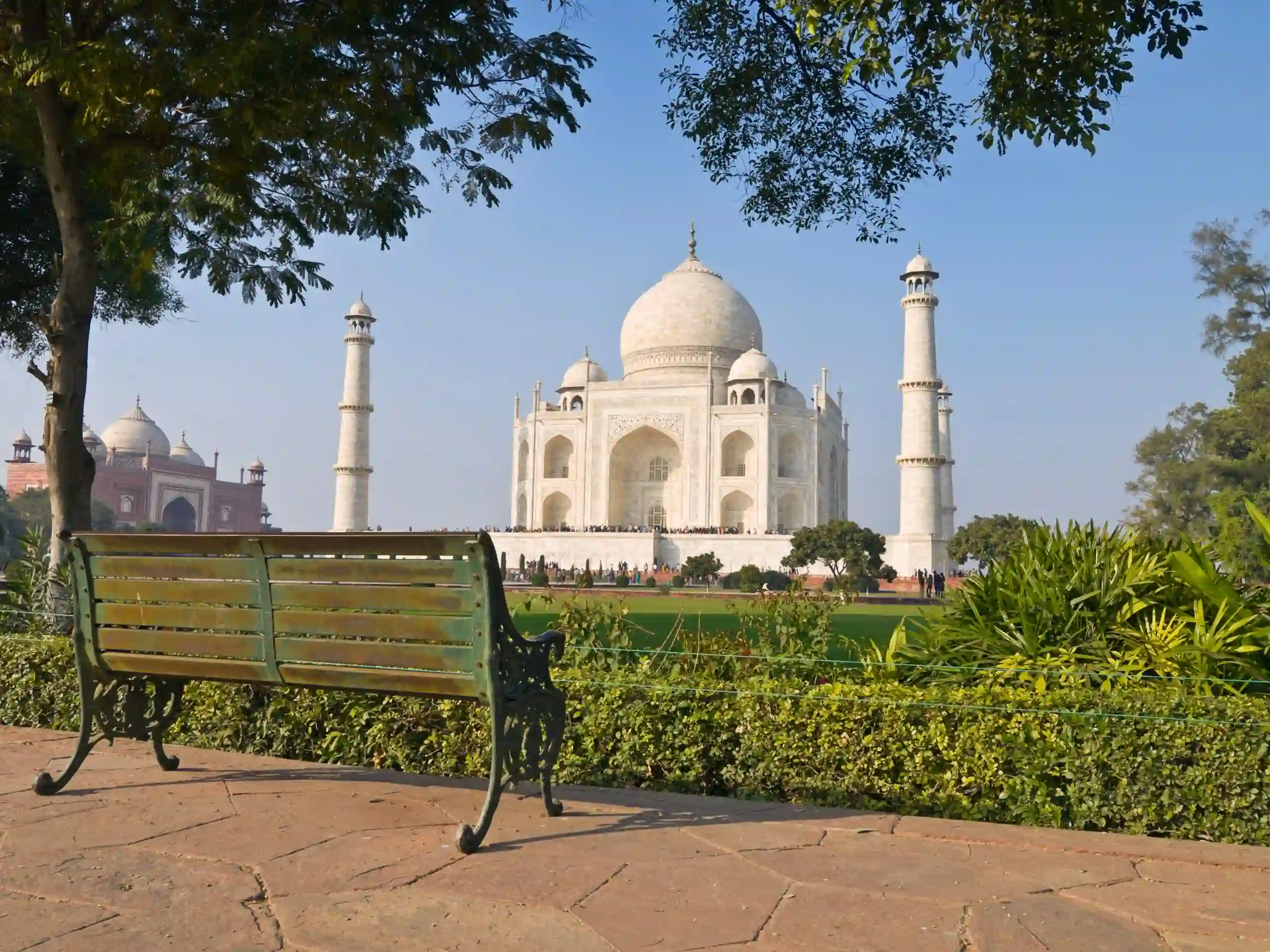
Golden Triangle Tour 4 Days: The Ultimate Delhi, Agra and Jaipur Itinerary
A Golden Triangle Tour 4 Days is one of the best short trips for travelers who want to experience the history, architecture, culture, food, and royal heritage of northern India without spending a full week on the road. The classic Golden Triangle connects Delhi, Agra, and Jaipur, three destinations that together reveal very different sides of India. Delhi combines ancient monuments with the energy of a modern capital, Agra is home to the legendary Taj Mahal and magnificent Mughal heritage, while Jaipur introduces travelers to grand forts, royal palaces, colorful markets, and Rajasthan's distinctive culture.
A four-day itinerary gives you a little more breathing room than the extremely fast three-day version. You can explore Delhi properly, spend a meaningful night in Agra, experience the Taj Mahal without rushing, and then devote substantial time to Jaipur's most important attractions. Jaipur is officially recognized as one of the three points of India's Golden Triangle, alongside Delhi and Agra.
The route can be completed by private car, train, or a combination of transportation options. For first-time visitors, however, a private Golden Triangle Tour 4 Days by car is particularly convenient because it allows flexible sightseeing, hotel transfers, local stops, and an optional visit to Fatehpur Sikri between Agra and Jaipur.
If you are planning your first trip to northern India and want to understand exactly what to see, where to stay, how to organize each day, and how to make the most of your limited time, this detailed guide will help you plan the journey from beginning to end.
What Is the Golden Triangle Tour?
The Golden Triangle Tour is India's most popular short heritage circuit, connecting Delhi, Agra, and Jaipur. The name comes from the triangular shape formed by these three major tourist destinations on a map. Each city has its own historical identity, architecture, cuisine, and cultural character, which makes the route especially attractive for international travelers.
Delhi represents India's political and cultural capital and contains layers of history stretching across centuries. Its attractions include the Red Fort, Qutub Minar, Humayun's Tomb, India Gate, Jama Masjid, Lotus Temple, and numerous museums and markets. Delhi Tourism itself highlights heritage, art, crafts, cuisine, and cultural experiences as important parts of exploring the city.
Agra provides the emotional center of the journey because of the Taj Mahal, but the city offers much more than one monument. Agra Fort, Fatehpur Sikri, Mehtab Bagh, Itimad-ud-Daulah's Tomb, and other Mughal-era attractions make Agra one of India's most rewarding heritage destinations.
Jaipur completes the triangle with a completely different visual atmosphere. Known as the Pink City, Jaipur is famous for Amber Fort, City Palace, Hawa Mahal, Jantar Mantar, Jal Mahal, colorful bazaars, traditional handicrafts, jewelry, textiles, and Rajasthani cuisine.
Why Choose a Golden Triangle Tour 4 Days?
A 4-day Golden Triangle Tour is ideal for travelers who want more than a rushed introduction to India but do not have enough vacation time for a seven- or ten-day itinerary.
A three-day Golden Triangle itinerary can cover the major landmarks, but it often requires early mornings, long sightseeing days, and limited time at each attraction. Four days allow you to slow the pace slightly while still visiting the three major cities.
The biggest advantage is the opportunity to stay overnight in Agra. This is especially valuable because the Taj Mahal is open from 30 minutes before sunrise until 30 minutes before sunset on normal visiting days, and the official Taj Mahal website notes that sunrise is preferred by many visitors because of the softer light, cooler conditions, and potentially smaller crowds.
A four-day itinerary also provides more flexibility in Jaipur. Instead of seeing Amber Fort, City Palace, Hawa Mahal, and Jantar Mantar in an exhausting few hours, you can organize your final day around the attractions that interest you most.
Golden Triangle Tour 4 Days at a Glance
| Day | Route | Main Highlights | Overnight |
|---|---|---|---|
| Day 1 | Delhi | Old Delhi, India Gate, Humayun's Tomb, Qutub Minar | Delhi |
| Day 2 | Delhi → Agra | Taj Mahal, Agra Fort, local sightseeing | Agra |
| Day 3 | Agra → Jaipur | Fatehpur Sikri optional, Jaipur arrival, local market | Jaipur |
| Day 4 | Jaipur | Amber Fort, City Palace, Hawa Mahal, Jantar Mantar | Departure/Delhi |
This itinerary can be adjusted according to your arrival time, departure city, travel style, and preferred transportation.
Day 1: Explore Delhi – The Historic Capital of India
Your Golden Triangle Tour 4 Days begins in Delhi. If you arrive early in the morning, you can dedicate almost the entire day to sightseeing. If your flight arrives later, simply reduce the number of attractions and concentrate on the most important highlights.
Delhi is a city of contrasts. One moment you can be standing beside a centuries-old Mughal monument, and minutes later you may find yourself surrounded by modern restaurants, shopping districts, business centers, and busy streets. The official Delhi tourism website lists major attractions including Red Fort, Qutub Minar, Humayun's Tomb, Lotus Temple, India Gate, Lodhi Garden, Jama Masjid, and Raj Ghat.
For a four-day tour, it is better not to attempt every attraction. Instead, choose a balanced combination of heritage monuments, Old Delhi culture, and modern Delhi landmarks.
Morning: Old Delhi and Red Fort
Begin your Delhi sightseeing with Old Delhi, where you can experience one of the city's most historic and energetic areas.
The Red Fort is one of Delhi's most recognizable monuments and was built during the Mughal period under Shah Jahan. Its massive red sandstone walls represent the grandeur of Mughal architecture and the historical importance of Old Delhi. The monument is also closely associated with India's modern history and national identity.
After exploring the fort area, you can continue toward Jama Masjid and the lively lanes of Chandni Chowk. This part of Delhi is especially interesting for travelers who enjoy street food, traditional markets, photography, and local culture.
You do not need to spend hours walking through every lane. A short guided walk through Old Delhi can provide a memorable introduction to the city's character.
Afternoon: India Gate and Humayun's Tomb
After lunch, continue toward central and southern Delhi.
India Gate is one of the city's most recognizable landmarks and a popular stop for first-time visitors. From here, you can explore the surrounding central Delhi area and then continue toward Humayun's Tomb.
Humayun's Tomb is particularly worthwhile for architecture lovers. Its garden setting, symmetry, domed structure, and Mughal design provide a different experience from the massive Red Fort.
If your schedule permits, you can also visit Qutub Minar, another of Delhi's major historic landmarks. The official Incredible India portal identifies Qutub Minar and Humayun's Tomb among Delhi's important heritage attractions.
Evening: Experience Delhi's Food and Markets
Do not spend your entire first evening inside the hotel.
Delhi has an enormous food culture, and trying local dishes can become one of the highlights of your Golden Triangle journey. Depending on your preferences, you can enjoy North Indian cuisine, Mughlai dishes, kebabs, vegetarian specialties, Indian sweets, or modern restaurants.
Travelers who prefer shopping can explore areas such as Connaught Place or traditional markets. Delhi Tourism also promotes shopping, food tours, cultural experiences, and local exploration as important parts of visiting the capital.
After dinner, return to your hotel and rest because Day 2 begins with your journey toward Agra.
Day 2: Delhi to Agra – Taj Mahal and Agra Fort
Day two is arguably the most exciting part of the Golden Triangle Tour 4 Days because you will reach Agra, the city most closely associated with the Taj Mahal.
A private car gives you the advantage of leaving Delhi according to your own schedule. Travelers who prefer rail travel can also choose a suitable train between Delhi and Agra, depending on the current timetable and availability.
Try to reach Agra early enough to have a full sightseeing day.
Arrive in Agra and Check Into Your Hotel
Once you reach Agra, check into your hotel and leave your luggage before beginning sightseeing.
For this itinerary, staying in Agra for one night is highly recommended. It removes the pressure of completing Agra sightseeing and immediately traveling onward to Jaipur on the same day.
Another important benefit is that you can arrange your Taj Mahal visit around sunrise.
Agra is much more than a stopover. The city contains three UNESCO World Heritage Sites and has a rich Mughal history that extends well beyond the Taj Mahal.
Visit the Taj Mahal
The Taj Mahal should be the central highlight of your Agra experience.
Commissioned by Emperor Shah Jahan in memory of Mumtaz Mahal, this ivory-white marble mausoleum has become one of the world's most recognizable symbols of love and architectural beauty. It stands beside the Yamuna River and demonstrates an extraordinary combination of symmetry, marble craftsmanship, gardens, domes, arches, and decorative inlay work.
For many travelers, the first sight of the Taj Mahal is unforgettable. Rather than rushing through the monument simply to take a photograph, give yourself time to observe the changing colors of the marble, the reflecting pool, the gardens, and the detailed architectural decoration.
Taj Mahal Opening Hours
The Taj Mahal normally opens 30 minutes before sunrise and closes 30 minutes before sunset. It is closed to general visitors every Friday.
Because sunrise times change throughout the year, check the official visitor information before your trip rather than relying on a fixed clock time.
Taj Mahal Ticket Information
Current official ticket information lists the following regular entry prices:
| Visitor Category | Regular Entry | Main Mausoleum |
|---|---|---|
| Indian / Domestic / OCI | ₹50 | Additional ₹200 |
| SAARC / BIMSTEC | ₹540 | Additional ₹200 |
| Foreign Tourist | ₹1,100 | Additional ₹200 |
| Children under 15 | Free | Subject to applicable rules |
The official Taj Mahal website notes that online ticket purchases receive a small discount and that the additional ₹200 charge applies if you wish to enter the main mausoleum.
Fees can change, so verify the official ticket information before your visit.
Important Taj Mahal Visitor Rules
A little preparation can make your visit much smoother.
The official visitor guidance states that drone cameras are strictly prohibited, visitors should carry government-issued identification, and water bottles are permitted. Food and eatables are not allowed inside the Taj Mahal. Tripods require appropriate permission.
Photography is permitted in designated areas, but photography inside the main mausoleum is restricted.
Avoid carrying unnecessary luggage. Traveling light makes security checks and monument entry considerably easier.
Explore Agra Fort
After visiting the Taj Mahal, continue to Agra Fort, another UNESCO World Heritage Site and one of the most important Mughal monuments in India.
Agra Fort is approximately 2.5 kilometers from the Taj Mahal. The enormous fortified complex was rebuilt in red sandstone under Emperor Akbar from 1565 and was later embellished with white marble during Shah Jahan's reign.
Inside the fort complex, visitors can see important structures including Jahangir Mahal, Khas Mahal, Diwan-i-Aam, Diwan-i-Khas, Sheesh Mahal, Musamman Burj, and Moti Masjid.
The Musamman Burj is particularly memorable because of its connection with Shah Jahan's later years and its view toward the Taj Mahal.
Agra Fort is normally open from sunrise to sunset, and the official Agra district tourism page currently lists entry fees of ₹50 for Indian citizens, ₹90 for SAARC/BIMSTEC nationals, and ₹650 for other foreign nationals, with children under 15 free. Fees remain subject to official revision.
Evening in Agra
After Agra Fort, return to your hotel for some rest.
If you still have energy, you can explore a local market or visit a viewpoint such as Mehtab Bagh, depending on the season, opening hours, and your schedule. The official Taj Mahal information also identifies Mehtab Bagh, Itimad-ud-Daulah, Sikandra, and other attractions as additional places to explore around Agra.
Keep your evening relaxed because Day 3 includes the journey from Agra to Jaipur.
Day 3: Agra to Jaipur – Fatehpur Sikri and the Pink City
Day three takes you from Mughal Agra into Rajasthan's royal capital, Jaipur.
This is where the cultural atmosphere of your Golden Triangle Tour changes dramatically. Agra is dominated by Mughal architecture and marble monuments, while Jaipur introduces sandstone forts, royal palaces, colorful bazaars, traditional handicrafts, and Rajasthani culture.
Optional Stop at Fatehpur Sikri
If you are traveling by private car, consider adding Fatehpur Sikri between Agra and Jaipur.
Fatehpur Sikri is a historic Mughal city and one of Agra's major heritage attractions. The official Taj Mahal tourism information identifies Fatehpur Sikri as one of the region's UNESCO World Heritage Sites and lists it among the important attractions around Agra.
A stop here makes the journey more interesting because you are not simply spending several hours traveling between two cities.
However, there is an important consideration: time.
If you want a relaxed Jaipur evening and more time at the city's monuments on Day 4, do not make your Fatehpur Sikri visit excessively long. Your driver or tour operator should organize the route efficiently.
Arrive in Jaipur
After reaching Jaipur, check into your hotel.
Jaipur is famous for its pink-colored historic architecture and royal heritage. The city was founded in 1727 by Maharaja Sawai Jai Singh II and is one of the three destinations forming India's Golden Triangle.
After checking in, use the evening for a light introduction to the city.
Jaipur Evening: Hawa Mahal and Local Markets
A visit to the Hawa Mahal area in the late afternoon or evening is an excellent way to start exploring Jaipur.
Hawa Mahal, also known as the Palace of Winds, was built in 1799 and is famous for its distinctive façade and numerous small windows. Rajasthan Tourism and Incredible India both highlight it as one of Jaipur's signature architectural landmarks.
You can combine the visit with a walk through nearby markets.
Jaipur is particularly well known for jewelry, textiles, traditional clothing, handicrafts, bangles, carpets, marble products, and other Rajasthani crafts.
Try some traditional Rajasthani food for dinner and return to your hotel early enough to rest before the final sightseeing day.
Day 4: Full-Day Jaipur Sightseeing
Your fourth and final day is dedicated to Jaipur.
Because you have already seen Hawa Mahal during the previous evening, you can concentrate on the major royal and historical attractions during the day.
The ideal sightseeing sequence depends on your departure time, but a practical route is:
Amber Fort → City Palace → Jantar Mantar → Hawa Mahal area → local market → departure
If you have a late evening departure, you can include additional attractions.
Visit Amber Fort
Begin the morning at Amber Fort, also called Amer Fort.
Located around 11 kilometers from central Jaipur, Amber Fort sits on a hill and combines Rajput and Mughal architectural influences. Rajasthan Tourism describes the complex as an extensive palace with courtyards, royal quarters, gardens, temples, and attractions including Diwan-i-Aam and Sheesh Mahal.
The fort is much larger than many visitors expect, so allow enough time to explore rather than treating it as a quick photo stop.
The courtyards, gates, decorative halls, mirrored interiors, and elevated views make Amber Fort one of the most visually impressive stops of the Golden Triangle.
For many travelers, this is the moment when the Rajasthan portion of the journey truly begins.
Explore Jaipur City Palace
Return toward the center of Jaipur and visit the City Palace.
The City Palace complex represents Jaipur's royal heritage and contains courtyards, buildings, galleries, decorative gateways, and museum collections.
Its architecture demonstrates the interaction of Rajput and Mughal design traditions, while the palace collections provide insight into the lifestyle of Jaipur's former royal family.
Because the City Palace is centrally located, it combines naturally with Hawa Mahal and Jantar Mantar.
Discover Jantar Mantar
Next, visit Jantar Mantar, one of Jaipur's most fascinating attractions.
This historic astronomical observatory was built by Maharaja Sawai Jai Singh II and contains a remarkable collection of large-scale astronomical instruments. Rajasthan Tourism identifies the Jaipur Jantar Mantar as a UNESCO World Heritage Site and notes that its instruments were designed for observing celestial positions and calculating local time.
Even visitors who are not interested in astronomy often find the site impressive because of the unusual geometric structures.
A knowledgeable guide can make the experience significantly better by explaining what each instrument was designed to measure.
See Hawa Mahal
If you only saw the exterior of Hawa Mahal on the previous evening, Day 4 gives you an opportunity to explore the surrounding area more carefully.
The building's honeycomb-like façade and numerous windows are among the most recognizable images associated with Jaipur.
Its design allowed royal women to observe activity in the streets while maintaining privacy.
For photographers, the area around Hawa Mahal can be especially attractive in the morning when natural light highlights the pink and sandstone tones of the façade.
Optional Stop at Jal Mahal
If your schedule allows, make a short stop at Jal Mahal.
The palace appears to float in the middle of Man Sagar Lake and is one of Jaipur's most photographed landscapes. Incredible India describes the lake and palace as a scenic location particularly appealing to photographers.
You generally do not need to spend a huge amount of time here. A short photography stop can be enough before continuing with the rest of your Jaipur itinerary.
Jaipur Shopping Before Departure
Before ending your Golden Triangle Tour 4 Days, reserve some time for shopping.
Jaipur is particularly famous for:
-
Rajasthani textiles
-
Jewelry
-
Blue pottery
-
Handicrafts
-
Block-printed fabrics
-
Traditional clothing
-
Mojari footwear
-
Marble handicrafts
-
Decorative items
Popular shopping areas include Johari Bazaar, Bapu Bazaar, Tripolia Bazaar, and Chandpole Bazaar. Incredible India specifically highlights these markets for jewelry, textiles, Mojari, bangles, carpets, rugs, and marble crafts.
Always compare prices before buying expensive items, particularly jewelry and gemstones.
Best Transportation for a Golden Triangle Tour 4 Days
There are several ways to complete the Golden Triangle.
Golden Triangle Tour by Private Car
For four days, a private car with an experienced driver is one of the most convenient options.
You can leave Delhi when convenient, stop for meals, visit attractions between cities, and adjust the sightseeing schedule according to your interests.
It is particularly useful for families, couples, senior travelers, and international visitors who want door-to-door transportation.
The biggest advantage is flexibility.
Golden Triangle Tour by Train
Train travel can be an excellent option for travelers who prefer rail transportation.
Delhi, Agra, and Jaipur are connected by railway services, and traveling by train can reduce road fatigue.
However, train travel requires you to work around fixed departure times and arrange transportation between railway stations, hotels, and monuments.
Golden Triangle Tour by Flight
Flights are generally unnecessary for this short circuit because the destinations are connected by road and rail. A flight may make sense in specific circumstances, such as when connecting to another distant Indian city.
For most travelers, private car or train is more practical.
Where Should You Stay During a 4-Day Golden Triangle Tour?
A comfortable hotel can make a major difference on a short itinerary.
The recommended arrangement is:
Night 1 – Delhi
Choose a hotel that provides convenient access to your arrival point and your planned sightseeing areas.
Night 2 – Agra
Staying near the Taj Mahal can be particularly convenient if you want to visit at sunrise.
Night 3 – Jaipur
Choose a hotel with easy access to the main sightseeing areas, especially if your Day 4 schedule is busy.
For a short four-day trip, spending less time traveling between your hotel and attractions is often more valuable than choosing a hotel based solely on its room price.
Best Time for Golden Triangle Tour 4 Days
The Golden Triangle can be visited throughout the year, but weather can significantly affect your experience.
October to March
This is generally the most comfortable period for sightseeing, particularly for travelers who are not accustomed to northern India's summer heat.
The mornings can be cool, especially in December and January, so carry a light jacket or warm layer.
The Taj Mahal's official FAQ also notes that sunrise visits can be particularly rewarding because of cooler temperatures and potentially smaller crowds.
April to June
Summer can be extremely hot.
If you travel during this period, start sightseeing early in the morning, carry water, use sun protection, and plan breaks during the hottest part of the day.
July to September
The monsoon season can bring rain and humidity, but it can also offer a different atmosphere and fewer tourists at some attractions.
Travelers should remain flexible because weather conditions can influence road travel and outdoor sightseeing.
What to Pack for a Golden Triangle Tour
Packing correctly makes a short trip much easier.
Bring comfortable walking shoes because monuments such as Amber Fort, Agra Fort, and the Taj Mahal involve substantial walking.
A useful packing list includes:
-
Comfortable walking shoes
-
Lightweight clothing
-
Modest clothing for religious and heritage sites
-
Sunglasses
-
Sunscreen
-
Hat or cap
-
Reusable water bottle
-
Personal medicines
-
Government-issued identification
-
Phone charger and power bank
-
Light jacket during winter
-
Small day bag
Avoid carrying unnecessary luggage into monuments.
The Taj Mahal's official visitor guidance specifically recommends following security and entry requirements, carrying identification, and remembering that food is not allowed inside.
Golden Triangle Tour 4 Days for Couples
The Golden Triangle is an excellent choice for couples.
The Taj Mahal provides a naturally romantic experience, especially around sunrise or sunset, while Jaipur adds royal architecture, colorful markets, traditional dining, and beautiful photography locations.
Couples can choose comfortable boutique hotels, private transportation, guided sightseeing, and slower evenings.
A private itinerary also makes it easier to spend more time at attractions that both travelers enjoy instead of following a rigid group schedule.
Golden Triangle Tour 4 Days for Families
Families can also enjoy the itinerary, but pacing is important.
Children may become tired if every day begins early and continues until evening. A four-day trip should therefore include regular breaks, comfortable transportation, and realistic sightseeing expectations.
Amber Fort and Agra Fort can be particularly interesting for older children because their architecture, courtyards, gates, and stories are easier to experience interactively than traditional museum visits.
Families should also confirm current monument rules, ticket policies, and opening hours before travel.
Golden Triangle Tour 4 Days for First-Time Visitors
If this is your first trip to India, consider hiring local guides at the major monuments.
A guide can explain the stories behind architectural details that you might otherwise overlook.
At the Taj Mahal, for example, understanding the history of Shah Jahan and Mumtaz Mahal adds emotional context to the architecture.
At Agra Fort, a guide can explain the Mughal emperors, royal apartments, audience halls, and relationship between the fort and Taj Mahal.
In Jaipur, a guide can explain Rajput architecture, royal traditions, astronomical instruments, and the history of the Pink City.
The goal should not simply be to see monuments, but to understand why they matter.
How Much Does a Golden Triangle Tour 4 Days Cost?
The cost varies considerably depending on your travel style.
Your overall budget normally includes:
| Expense | Budget Option | Premium Option |
|---|---|---|
| Hotels | Basic 3-star | Luxury 4/5-star |
| Transportation | Train/shared travel | Private AC car |
| Guides | Occasional | Private guides |
| Meals | Local restaurants | Premium restaurants |
| Monuments | Standard entry | Entry + additional experiences |
| Shopping | Minimal | Flexible |
| Experiences | Basic sightseeing | Customized activities |
The biggest factors affecting the final price are hotel category, vehicle type, number of travelers, guide services, meal plan, and travel season.
For a more accurate quote, tour operators normally need the number of travelers, arrival and departure locations, hotel category, and preferred travel dates.
Private Golden Triangle Tour vs Group Tour
A group tour is often cheaper, but it normally follows a fixed timetable.
A private tour costs more but provides significantly greater flexibility.
Private Tour Advantages
You can choose your departure time, spend longer at your favorite monuments, stop for photographs, select restaurants, and adjust the itinerary according to your preferences.
Group Tour Advantages
Group tours can be more economical and are useful for solo travelers who enjoy meeting other people.
For a 4-day Golden Triangle itinerary, private travel is especially attractive because every hour matters. You can optimize the route instead of waiting for a large group.
Important Tips for a Smooth Golden Triangle Tour
Plan your Taj Mahal visit carefully because the monument is closed to general visitors every Friday.
Avoid scheduling your Taj Mahal visit on Friday if the monument is one of your primary reasons for visiting Agra.
Book accommodation in advance during busy travel periods.
Carry identification because it is required for Taj Mahal visitors.
Keep your luggage light when visiting monuments.
Wear comfortable shoes.
Start sightseeing early, especially during warmer months.
Use official monument websites for the latest ticket prices and opening information.
If you are hiring a private driver, confirm whether fuel, tolls, parking, state taxes, and driver's expenses are included in your package.
For international visitors, check visa and travel-document requirements well before departure.
Is 4 Days Enough for the Golden Triangle?
Yes, 4 days is enough for a well-planned introduction to Delhi, Agra, and Jaipur.
However, it is important to have realistic expectations.
You will not see every museum, monument, market, restaurant, and neighborhood in three major Indian cities.
Instead, the goal is to experience the defining highlights of each destination.
Delhi gives you history and modern urban culture.
Agra gives you Mughal architecture and the Taj Mahal.
Jaipur gives you Rajput royal heritage and Rajasthan's colorful culture.
If you have only four days in India, this route offers an exceptionally efficient introduction to the country's northern heritage.
Recommended Golden Triangle Tour 4 Days Itinerary
Here is the recommended final itinerary in a simple format:
Day 1 – Delhi
Arrive in Delhi and visit:
Red Fort → Jama Masjid/Old Delhi → India Gate → Humayun's Tomb → Qutub Minar
Enjoy dinner and stay overnight in Delhi.
Day 2 – Delhi to Agra
Travel to Agra.
Visit:
Taj Mahal → Agra Fort → Mehtab Bagh or local market
Stay overnight in Agra.
Day 3 – Agra to Jaipur
Travel from Agra toward Jaipur.
Optional:
Fatehpur Sikri
Arrive in Jaipur.
Visit:
Hawa Mahal → Local Market
Stay overnight in Jaipur.
Day 4 – Jaipur
Visit:
Amber Fort → City Palace → Jantar Mantar → Jal Mahal → Shopping
Then depart Jaipur or continue toward Delhi depending on your travel plans.
Final Thoughts on the Golden Triangle Tour 4 Days
A Golden Triangle Tour 4 Days is more than a sightseeing trip between three Indian cities. It is a compact journey through centuries of history, architecture, culture, food, and royal traditions.
Delhi introduces you to India's enormous cultural diversity and layers of history. Agra gives you the unforgettable Taj Mahal and the architectural legacy of the Mughal Empire. Jaipur completes the experience with hilltop forts, royal palaces, astronomical architecture, colorful bazaars, and the distinctive spirit of Rajasthan.
The secret to enjoying the trip is not trying to do everything. Choose the most important attractions, leave enough time for travel, start early when necessary, and give yourself moments to simply enjoy the surroundings.
If you can arrange the itinerary around a Taj Mahal sunrise visit, stay overnight in Agra, use efficient transportation, and reserve enough time for Jaipur, four days can create an incredibly memorable first experience of India's Golden Triangle.
For travelers seeking a short but culturally rich Indian holiday, the Delhi–Agra–Jaipur Golden Triangle Tour 4 Days remains one of the most rewarding itineraries available.
Frequently Asked Questions About Golden Triangle Tour 4 Days
1. What cities are included in the Golden Triangle Tour?
The classic Golden Triangle includes Delhi, Agra, and Jaipur. Delhi is India's historic and modern capital, Agra is famous for the Taj Mahal and Mughal heritage, and Jaipur is Rajasthan's famous Pink City. Jaipur's official tourism information and India's national tourism portal both identify the three cities as the Golden Triangle.
2. Is 4 days enough for Delhi, Agra and Jaipur?
Yes. Four days are enough for the major highlights, although the schedule will still be relatively active. A good plan is one night in Delhi, one night in Agra, and one night in Jaipur, with sightseeing arranged efficiently between the cities.
3. Can I visit the Taj Mahal at sunrise?
Yes. The Taj Mahal normally opens 30 minutes before sunrise and remains open until 30 minutes before sunset. The official Taj Mahal FAQ specifically notes that sunrise is preferred by many visitors because of the attractive early-morning light, cooler conditions, and potentially lower crowds. The Taj Mahal is closed every Friday for general viewing.
4. Should I travel between Delhi, Agra and Jaipur by car or train?
Both options can work. A private car offers greater flexibility and makes it easier to include stops such as Fatehpur Sikri. Trains can be faster and convenient when their schedules match your itinerary. For families and travelers who want door-to-door service, a private car is usually the most flexible choice.
5. What is the best time for a Golden Triangle Tour 4 Days?
October through March is generally a comfortable period for sightseeing, while travelers visiting during the hotter months should plan early-morning sightseeing and adequate breaks. Weather varies considerably across the year, so your preferred travel experience should influence the timing of your trip.

 Arabic
 French
 Spanish
 Portuguese
 Deutsch
 Turkish
 Dutch
Dutch
 Italiano
 Russian
 Romaian
 Portuguese (Brazil)
 Greek
Greek