


Full Day Old and New Delhi City Tour
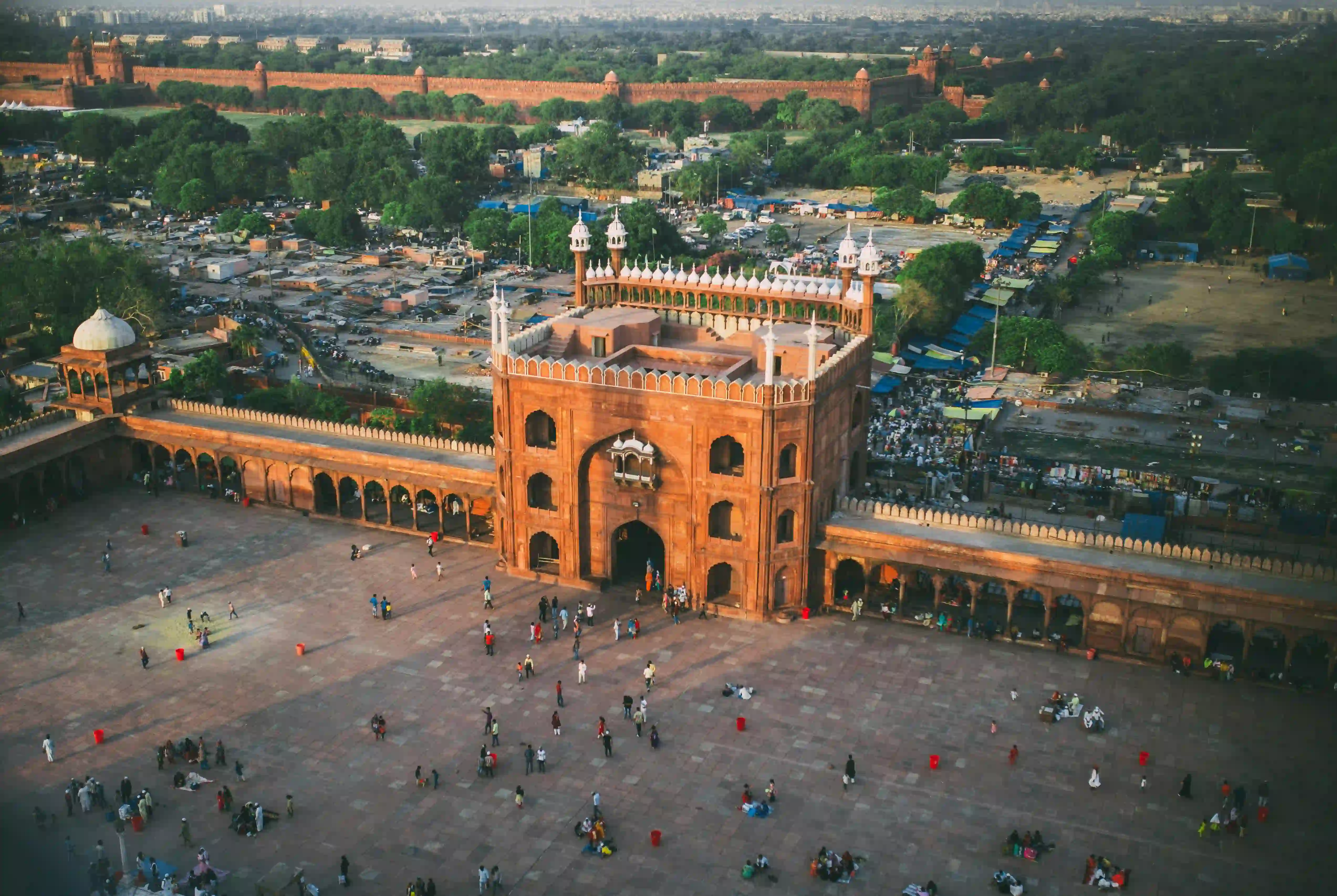
Full Day Old and New Delhi City Tour: Explore the Best of Delhi in One Day
A Full Day Old and New Delhi City Tour is the perfect way to discover the remarkable contrast between India's historic capital and its modern urban identity. Delhi is not simply one destination—it is a city built layer upon layer, where ancient monuments, Mughal architecture, colonial landmarks, religious sites, colorful bazaars, modern shopping districts, and contemporary neighborhoods exist side by side.
For first-time visitors, a full-day Delhi sightseeing tour offers an excellent introduction to the city's history and culture. In a single day, you can explore the magnificent Red Fort, walk through the energetic lanes of Old Delhi, visit the impressive Jama Masjid, photograph India Gate, admire the architecture of Humayun's Tomb, and discover the towering Qutub Minar. Depending on your interests and available time, you can also visit the Lotus Temple, Raj Ghat, Parliament House area, or other important attractions.
Delhi Tourism highlights the city's extraordinary combination of historical monuments, museums, gardens, shopping areas, cuisine, religious sites, and cultural experiences. This diversity makes Delhi one of the most rewarding cities to explore with a knowledgeable local guide and a well-planned private vehicle.
A full-day itinerary is busy, but with an efficient route and an early start, you can experience the essential highlights of both Old Delhi and New Delhi without feeling that you have only seen the city from a car window.
What Is a Full Day Old and New Delhi City Tour?
A Full Day Old and New Delhi City Tour combines the historical attractions of Old Delhi with the grand avenues, monuments, and landmarks of New Delhi.
Old Delhi represents the Mughal-era heart of the city. It is famous for the Red Fort, Jama Masjid, Chandni Chowk, traditional markets, street food, and narrow historic streets.
New Delhi, meanwhile, was developed primarily during the British colonial period and later became the administrative center of independent India. Wide avenues, government buildings, India Gate, diplomatic areas, museums, and modern commercial districts characterize this part of the capital.
The contrast between the two areas is one of the most interesting aspects of visiting Delhi.
In Old Delhi, you might hear the call to prayer from a historic mosque while cycle-rickshaws move through crowded market lanes. In New Delhi, the streets become wider and more organized, with landscaped avenues and monumental government architecture.
This combination makes an Old and New Delhi sightseeing tour ideal for travelers who want to understand the capital rather than simply visit one or two famous landmarks.
Why Take a Full-Day Delhi City Tour?
Delhi is enormous, and its attractions are spread across a large metropolitan area.
Trying to explore the city without a plan can result in spending too much time in traffic and too little time at monuments.
A professionally organized full-day tour helps you create a logical route.
You can begin in Old Delhi, explore the historic Mughal landmarks, continue toward central Delhi, and finish in South Delhi with monuments such as Humayun's Tomb and Qutub Minar.
A full-day tour is particularly useful for:
-
First-time visitors
-
International tourists
-
Families
-
Couples
-
Senior travelers
-
Photographers
-
History enthusiasts
-
Travelers with a short Delhi stay
-
Visitors arriving from Agra or Jaipur
The biggest advantage is efficiency.
Instead of figuring out transportation between every monument yourself, you can focus on experiencing Delhi.
Old Delhi vs New Delhi
Understanding the difference between the two areas makes the tour more meaningful.
| Old Delhi | New Delhi |
|---|---|
| Mughal heritage | Colonial and modern heritage |
| Red Fort | India Gate |
| Jama Masjid | Government buildings |
| Chandni Chowk | Wide ceremonial avenues |
| Traditional markets | Modern commercial districts |
| Street food | Restaurants and cafés |
| Narrow historic streets | Planned neighborhoods |
| Mughal-era atmosphere | Modern capital atmosphere |
Together, they create a fascinating picture of Delhi's evolution.
Suggested Full-Day Old and New Delhi Itinerary
A practical itinerary could look like this:
Morning
Red Fort → Jama Masjid → Chandni Chowk
Late Morning
Raj Ghat
Afternoon
India Gate → President's Estate area → Humayun's Tomb
Late Afternoon
Qutub Minar
Evening
Return to hotel / shopping / dinner
The exact sequence should be adjusted according to opening days, traffic, weather, and your starting location.
Start Early in Old Delhi
For a full-day city tour, an early morning start is highly recommended.
Delhi traffic can become extremely busy later in the day, particularly around major commercial areas.
Starting early gives you more time to explore the monuments and reduces the risk of rushing through your final attractions.
If you are staying in central or South Delhi, leave your hotel early enough to reach Old Delhi soon after the sightseeing day begins.
Visit the Red Fort
Your first major attraction can be the Red Fort, one of India's most famous historic monuments.
The massive red sandstone fort was commissioned by Mughal Emperor Shah Jahan as part of his new imperial capital, Shahjahanabad. Its enormous walls, gateways, courtyards, audience halls, and palace structures demonstrate the scale and sophistication of Mughal architecture.
The Red Fort is also deeply connected with modern Indian history. India's Prime Minister traditionally addresses the nation from the fort on Independence Day, giving the monument importance far beyond its architectural beauty.
When exploring the fort, take time to appreciate its gateways, gardens, audience halls, and surviving palace structures.
A knowledgeable guide can explain how the complex functioned as a royal residence and administrative center.
For history lovers, this is one of the most important stops on the entire Delhi tour.
Explore Jama Masjid
After the Red Fort, continue to Jama Masjid, one of India's most important historic mosques.
The mosque was commissioned by Shah Jahan and completed in the seventeenth century.
Its enormous courtyard and elevated position provide an impressive view of the surrounding Old Delhi neighborhood.
Visitors should dress respectfully when visiting religious sites and follow the current entry and photography rules.
The experience becomes particularly memorable when combined with a walk through the streets around Jama Masjid.
Experience Chandni Chowk
No Old and New Delhi City Tour feels complete without experiencing Chandni Chowk.
Chandni Chowk is one of the most famous commercial areas of Old Delhi and offers a completely different experience from Delhi's monumental architecture.
The streets are filled with shops, food stalls, traditional businesses, wholesalers, restaurants, and historic buildings.
A cycle-rickshaw ride through selected sections can be an enjoyable way to experience the area without spending too much energy walking through every lane.
Try Old Delhi Food
Food is one of the biggest attractions of Old Delhi.
Depending on your preferences, you can sample:
-
Parathas
-
Chaat
-
Jalebi
-
Kebabs
-
Mughlai dishes
-
Samosas
-
Kulfi
-
Traditional sweets
However, travelers should choose food vendors carefully and consider hygiene, especially when visiting during hot weather.
If you have dietary restrictions, inform your guide or driver before the tour so the restaurant stops can be planned accordingly.
Visit Raj Ghat
After exploring Old Delhi, continue toward Raj Ghat, the memorial associated with Mahatma Gandhi.
The peaceful landscaped setting creates a strong contrast with the busy streets of Old Delhi.
It is an appropriate place to pause and reflect before continuing with the New Delhi portion of your itinerary.
Because Raj Ghat is a memorial site, visitors should maintain a respectful atmosphere.
Discover India Gate
Continue toward India Gate, one of the most recognizable landmarks in New Delhi.
The monument stands at the eastern end of the ceremonial avenue known as Kartavya Path, formerly Rajpath.
India Gate is a war memorial dedicated to Indian soldiers who died during World War I and subsequent conflicts associated with the memorial.
The surrounding area is particularly attractive for photography.
A short stop is generally sufficient unless you want to spend more time walking around the surrounding gardens and ceremonial area.
Explore New Delhi's Government District
The area around India Gate provides an opportunity to see the monumental architecture associated with India's government.
Depending on current access arrangements and road restrictions, you can drive through or photograph areas around:
Rashtrapati Bhavan → Parliament area → North and South Block → Kartavya Path
Some government buildings are not open for unrestricted tourist entry, so the experience is primarily architectural and photographic unless you have an authorized visit.
This portion of the tour helps explain the transition from colonial New Delhi to the administrative capital of independent India.
Visit Humayun's Tomb
After exploring central New Delhi, continue toward Humayun's Tomb.
The monument is one of Delhi's most significant examples of early Mughal architecture.
Its symmetrical garden layout, red sandstone structure, white marble details, arches, and large dome create an impressive architectural composition.
Humayun's Tomb is also important in the development of Mughal architecture because it represents an early example of the grand garden-tomb tradition that later reached its most famous expression in the Taj Mahal.
For travelers continuing from Delhi to Agra, visiting Humayun's Tomb provides useful historical context before seeing the Mughal monuments of Agra.
Visit Qutub Minar
End your major Delhi sightseeing with Qutub Minar.
The soaring minaret is one of India's most recognizable medieval monuments.
The Qutub complex contains several historic structures and architectural remains, making it much more than a single tower.
The enormous height of Qutub Minar makes it particularly impressive when viewed from the surrounding complex.
Take time to examine the stonework, inscriptions, columns, arches, and architectural details rather than simply taking a photograph and leaving.
The monument is one of Delhi's most important heritage attractions and is recognized as a UNESCO World Heritage Site.
Optional: Lotus Temple
If you prefer religious and modern architecture, you can replace one of the other attractions with the Lotus Temple.
The building is famous for its lotus-inspired design and welcomes visitors from different religious backgrounds.
Because a full-day itinerary is already busy, visiting the Lotus Temple may require removing another attraction.
If architecture is your primary interest, it can be a worthwhile addition.
Optional: Akshardham Temple
Another possible addition is Akshardham, known for its elaborate architecture and large cultural complex.
However, security procedures and the time required to explore the complex mean it is generally better treated as a dedicated stop rather than something squeezed into an already packed itinerary.
Visitors should check the current entry, photography, security, and opening rules before planning their visit.
Best Way to Travel Around Delhi
For a full-day sightseeing tour, transportation is extremely important.
Private Car
A private air-conditioned car with a professional driver is one of the most convenient options.
It allows you to move directly between monuments without repeatedly arranging taxis or navigating public transportation.
This is particularly useful for families and international visitors.
Delhi Metro
The Delhi Metro is an excellent transportation network and can be useful for independent travelers.
It can help avoid road traffic on certain routes.
However, carrying luggage, traveling with young children, or visiting several monuments in one day can make a private car more convenient.
Auto-Rickshaw and Cycle-Rickshaw
Auto-rickshaws are useful for short local journeys.
In Old Delhi, a cycle-rickshaw can also be a fun way to experience Chandni Chowk and its surrounding lanes.
For a full-day itinerary, however, combining local rickshaws with a private vehicle is often more efficient.
How Long Does a Delhi City Tour Take?
A true full-day Delhi city tour normally requires approximately eight to ten hours, depending on your itinerary and traffic.
A typical schedule might be:
| Time | Activity |
|---|---|
| 8:00 AM | Hotel pickup |
| 8:45 AM | Red Fort |
| 10:00 AM | Jama Masjid |
| 10:45 AM | Chandni Chowk |
| 12:00 PM | Raj Ghat |
| 1:00 PM | Lunch |
| 2:00 PM | India Gate |
| 2:30 PM | Government district drive |
| 3:15 PM | Humayun's Tomb |
| 4:45 PM | Qutub Minar |
| 6:15 PM | Return to hotel |
This is only a sample schedule. Actual timings should remain flexible because Delhi traffic can be unpredictable.
Best Time for a Full Day Delhi Tour
Delhi can be visited throughout the year, but the weather significantly affects the experience.
October to March
This is generally one of the most comfortable periods for sightseeing.
Temperatures are usually more suitable for extended outdoor exploration than during the summer months.
Winter mornings can be cool, so carry an extra layer.
April to June
Delhi can become extremely hot.
If traveling during this period, start early, stay hydrated, wear sun protection, and take breaks.
July to September
The monsoon can bring humidity and occasional heavy rain.
Outdoor sightseeing is still possible, but flexibility is important.
What to Wear in Delhi
Comfortable clothing is essential for a full-day city tour.
Choose breathable clothing during warmer months and carry a light jacket during winter.
When visiting religious monuments, modest clothing is recommended.
Comfortable walking shoes are particularly important because you will be walking across monument complexes, courtyards, gardens, and market areas.
A small day bag is usually more convenient than a large backpack.
What to Carry
For your Delhi sightseeing day, consider carrying:
-
Government-issued identification
-
Water bottle
-
Sunglasses
-
Sunscreen
-
Hat or cap
-
Phone
-
Power bank
-
Comfortable shoes
-
Small backpack
-
Personal medication
-
Camera
Do not carry unnecessary items into monuments because security procedures vary by attraction.
Delhi City Tour for Families
Delhi can be an exciting destination for families, but children may become tired during a full-day itinerary.
A private vehicle is especially useful because it provides a place to rest between attractions.
Families can also reduce the number of monuments and spend more time at the attractions children find interesting.
The Red Fort, Qutub Minar, India Gate, and Old Delhi's colorful markets can all be engaging for younger travelers.
Remember to schedule lunch and hydration breaks.
Delhi City Tour for Couples
Delhi offers plenty of opportunities for couples to combine sightseeing with food and photography.
A private tour allows couples to create a more relaxed schedule.
After sightseeing, you can enjoy dinner at a restaurant or explore one of Delhi's shopping and entertainment districts.
The city's mixture of historic architecture and modern lifestyle provides excellent opportunities for photography.
Delhi City Tour for Senior Travelers
Senior travelers should prioritize comfort over the number of attractions.
A private air-conditioned vehicle can reduce walking between destinations.
Choose fewer monuments but spend meaningful time at each one.
It is also helpful to avoid the hottest hours of the day during summer.
Delhi City Tour from Agra
Travelers staying in Agra can also arrange a Delhi Full Day City Tour from Agra, although this creates a long travel day.
For travelers arriving from Agra by train or private car, Delhi sightseeing can be organized around the arrival and departure schedule.
However, if Delhi is a major part of your trip, staying overnight in Delhi is generally more comfortable.
A common Golden Triangle route is:
Delhi → Agra → Jaipur
or the reverse:
Delhi → Jaipur → Agra
Your choice depends on flight schedules and the rest of your itinerary.
Delhi City Tour from Jaipur
Travelers coming from Jaipur can also explore Delhi before continuing to another destination.
Because the road journey is substantial, train travel may be a practical alternative.
If you want a complete sightseeing day, arriving in Delhi the previous evening is preferable.
Private Old and New Delhi Tour
A private Delhi city tour is particularly useful when you have only one day.
You can customize the itinerary according to your interests.
For example, history enthusiasts can focus on Red Fort, Jama Masjid, Humayun's Tomb, and Qutub Minar.
Architecture lovers can add Lotus Temple and the government district.
Food lovers can spend more time in Old Delhi.
Photography enthusiasts can prioritize India Gate, Humayun's Tomb, Qutub Minar, and Old Delhi.
This flexibility is one of the strongest reasons to choose a private tour.
Why Hire a Local Delhi Guide?
A Delhi guide can transform a sightseeing day from a sequence of photographs into a meaningful historical experience.
Many monuments contain stories that are difficult to understand simply by reading information boards.
A knowledgeable guide can explain:
-
Mughal history
-
Delhi's ancient settlements
-
Architecture
-
Religious traditions
-
Colonial history
-
Indian independence
-
Local culture
-
Food traditions
-
Market history
The guide can also help manage the practical side of sightseeing, particularly in busy areas such as Old Delhi.
Food You Should Try During a Delhi Tour
Delhi is one of India's great food cities.
Depending on your preferences, try:
Paratha: A traditional flatbread that can be served with different fillings.
Chaat: A popular category of Indian street food combining textures and flavors.
Kebabs: Particularly associated with Old Delhi's Mughlai food culture.
Butter Chicken: A famous North Indian dish.
Chole Bhature: A hearty combination of spiced chickpeas and fried bread.
Jalebi: A sweet, crispy dessert.
Kulfi: Traditional Indian frozen dessert.
Food should be enjoyed responsibly, particularly for visitors who are not accustomed to Indian street food.
Shopping During Your Delhi Tour
If you have shopping time, Delhi offers everything from traditional handicrafts to modern fashion.
Popular shopping areas include:
-
Chandni Chowk
-
Connaught Place
-
Dilli Haat
-
Khan Market
-
Janpath
Chandni Chowk is ideal for traditional shopping and Old Delhi atmosphere, while Connaught Place provides a more modern commercial environment.
If purchasing expensive handicrafts, jewelry, carpets, or antiques, compare prices and buy from reputable sellers.
Photography Tips for Delhi
Delhi is an excellent destination for photographers.
For the Red Fort, morning light can provide attractive illumination on the sandstone architecture.
At Humayun's Tomb, symmetry and reflections can create striking compositions.
Qutub Minar offers opportunities for architectural photography.
Old Delhi provides candid street scenes, colorful markets, food photography, and portraits—although always respect people's privacy and ask permission before taking close-up portraits.
India Gate works particularly well during the golden hours.
Common Mistakes to Avoid
A full-day Delhi tour can become exhausting if you make a few common planning mistakes.
Trying to Visit Everything
Delhi has far too many attractions to see in one day.
Focus on the highlights.
Starting Too Late
Traffic can consume valuable sightseeing time.
Start early.
Ignoring Weather
Summer heat can make long outdoor visits uncomfortable.
Plan accordingly.
Carrying Too Much
Security checks are easier with minimal belongings.
Not Planning the Route
Moving randomly between Old Delhi and South Delhi wastes time.
Group attractions geographically.
Overlooking Old Delhi
Some travelers visit only New Delhi's monuments and miss one of the city's most culturally interesting areas.
Suggested Full-Day Old and New Delhi Tour Package
A well-designed itinerary could include:
Hotel Pickup → Red Fort → Jama Masjid → Chandni Chowk → Raj Ghat → India Gate → Government District → Humayun's Tomb → Qutub Minar → Hotel Drop-Off
Depending on your interests, you can replace one attraction with:
Lotus Temple, Akshardham Temple, Lodhi Garden, or a Delhi market.
The itinerary should be customized around opening days, current access rules, traffic, weather, and your departure schedule.
Is One Day Enough to See Delhi?
One day is enough to experience Delhi's major highlights, but not enough to explore the entire city.
Delhi has centuries of history and hundreds of attractions.
Think of a full-day tour as an introduction rather than a complete exploration.
If you have only one day, concentrate on the landmarks that best represent the city's history.
If you have two or three days, you can add museums, markets, additional temples, gardens, food experiences, and less-visited historical sites.
Why Old and New Delhi Should Be Visited Together
Visiting only Old Delhi gives you a strong understanding of the Mughal city but misses the grand administrative architecture of New Delhi.
Visiting only New Delhi gives you monumental avenues and famous landmarks but misses the atmosphere of the historic city.
Combining both creates a much more complete experience.
You see how Delhi evolved from imperial capitals and Mughal-era settlements into the modern capital of India.
That contrast is the true essence of an Old and New Delhi City Tour.
Final Thoughts
A Full Day Old and New Delhi City Tour is one of the best ways to experience India's capital in a limited amount of time.
From the massive walls of the Red Fort and the historic atmosphere of Jama Masjid to the busy lanes of Chandni Chowk, peaceful grounds of Raj Ghat, monumental India Gate, elegant Humayun's Tomb, and towering Qutub Minar, each stop tells a different part of Delhi's story.
The key to enjoying the experience is good planning.
Start early, organize the attractions according to geography, allow flexibility for traffic, wear comfortable clothing, stay hydrated, and avoid trying to see every monument in a single day.
Whether you are visiting Delhi independently, as part of a Golden Triangle Tour, traveling from Agra or Jaipur, or simply spending one day in the capital before an international flight, a carefully planned full-day city tour can give you a fascinating introduction to one of India's most historic and dynamic cities.
Delhi is a city where the past and present are constantly interacting—and spending a full day exploring both Old Delhi and New Delhi is the best way to experience that contrast.
Frequently Asked Questions
1. What is included in a Full Day Old and New Delhi City Tour?
A typical tour includes hotel pickup, private transportation, sightseeing at major Old and New Delhi attractions, and hotel drop-off. Depending on the package, a professional guide, monument entrance fees, meals, and other services may be included or charged separately. Always confirm inclusions before booking.
2. Which places should I visit in Delhi in one day?
For a first-time visitor, the most practical combination is Red Fort, Jama Masjid, Chandni Chowk, Raj Ghat, India Gate, Humayun's Tomb, and Qutub Minar. If you prefer temples or modern architecture, you can substitute Lotus Temple or another attraction.
3. What is the best time to start a Delhi city tour?
Starting around 8:00 AM or earlier is generally a good strategy. An early start helps you avoid some traffic and provides more comfortable conditions for outdoor sightseeing, especially during warmer months.
4. Can I take a Delhi city tour from Agra?
Yes. Delhi can be visited as a day trip from Agra, but it makes for a long travel day. If you want to experience Delhi comfortably, staying overnight in Delhi is preferable. Travelers combining Delhi and Agra as part of a Golden Triangle itinerary can arrange the cities in a more efficient sequence.
5. Is a private car better for a full-day Delhi tour?
For travelers who want to visit several attractions in one day, a private air-conditioned car with a professional driver is often the most convenient option. It provides flexibility, reduces the need to arrange transportation repeatedly, and makes it easier to adjust the itinerary according to traffic and personal preferences.

 English
 Arabic
 French
 Spanish
 Portuguese
 Deutsch
 Dutch
Dutch
 Italiano
 Russian
 Romaian
 Portuguese (Brazil)
 Greek
Greek